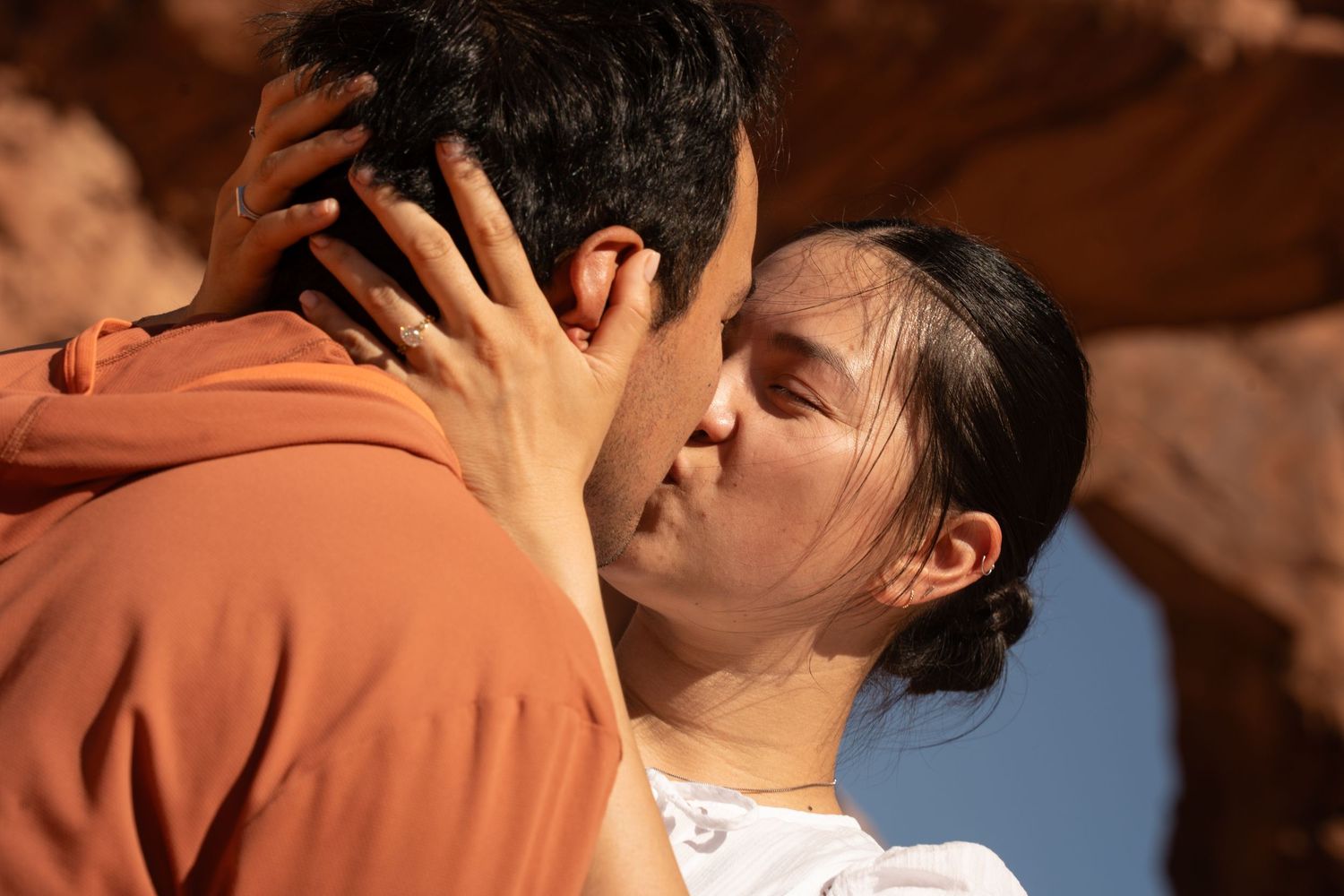
For a lot of people that means carefully going through your extended family, splitting the room between people from your side and your fiance's and lots of stress.
That's not a limitation. That's a built-in excuse to have the wedding you want.
An LDS temple elopement is one of the most intentional, most personal ways to get married in Utah, and it's growing, because couples are starting to realize that the intimate, close-family, everyone-who-matters format isn't a consolation prize. It's what makes the day feel like yours instead of a performance for two hundred people you don't call regularly. You never wanted to invite everyone your parents have ever known anyways.
Here's what it looks like, who it's for, and what you can photograph.
An LDS temple elopement pairs a small sealing ceremony, usually 10-30 close family and friends, with a full day built entirely around what the couple wants, from a family meal to a national park adventure.
TL;DR
A temple sealing is intimate, usually 10 to 30 close family and friends, followed by a day the couple designs themselves.
No photography or recording is allowed inside the temple, not even on guests' phones.
Grounds photography needs advance authorization from the Temple Department, so confirm access when scheduling your sealing.
Bring a signed Utah marriage license; the sealing becomes your legal marriage once it's signed.
A full day of coverage can capture 6 to 8 hours, from getting ready through the after-adventure.
What Is an LDS Temple Elopement?
Let’s define it first, because “elopement” means something different to everyone.
An elopement isn't running off and getting married in secret. Not anymore. An elopement is an intentional choice to make your wedding small, focused on the couple and the people who are closest to them, without the noise of a 200-person guest list.
A temple elopement for members of the Church of Jesus Christ of Latter-day Saints is that in a nutshell. You get sealed in the temple with your closest family and friends, whoever fits in the sealing room, and then you build the rest of the day around you. A family meal. An adventure. A national park. A nice dinner. Whatever feels most like the two of you.
It's not a lesser version of a wedding. It's a different version. And for a lot of couples, it turns out to be the better one.
Who a Temple Elopement Is For
Not everyone. And that's fine. A temple elopement is a good fit if any of these sound like you:
💍 You don't want a big wedding. You never did. The idea of 200 people staring at you while you cut cake sounds like a nightmare, not a dream.
💍 You're getting married for the second time and want this one to feel different: more personal, less production.
💍 You want to spend the money differently. The average Utah wedding runs somewhere between $5,000 and $25,000; a temple elopement with a full adventure day after is a fraction of that, leaving more for a honeymoon that matters to you.
💍 You want more quality time with the people who show up, instead of 45 seconds per guest at a 200-person reception.
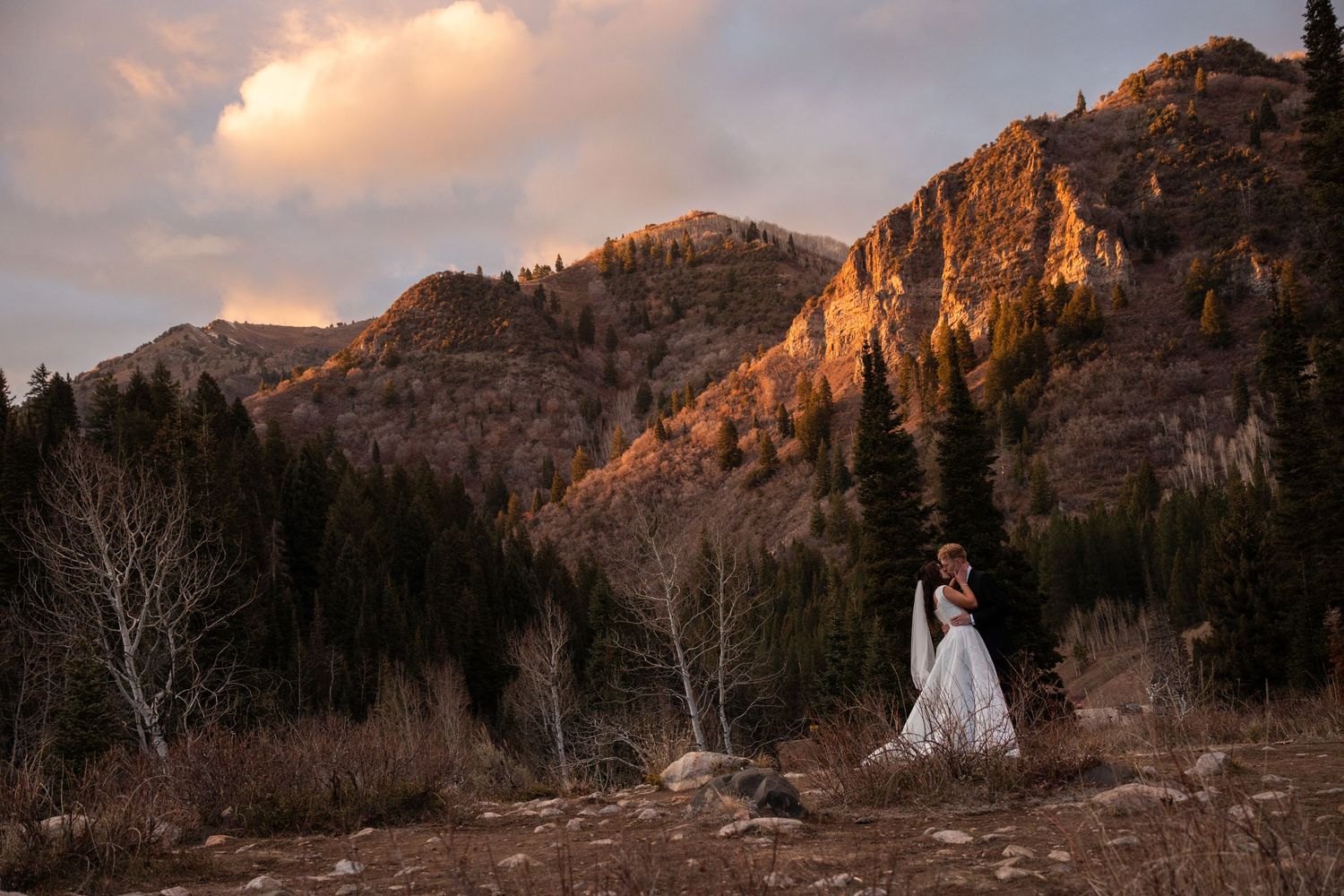
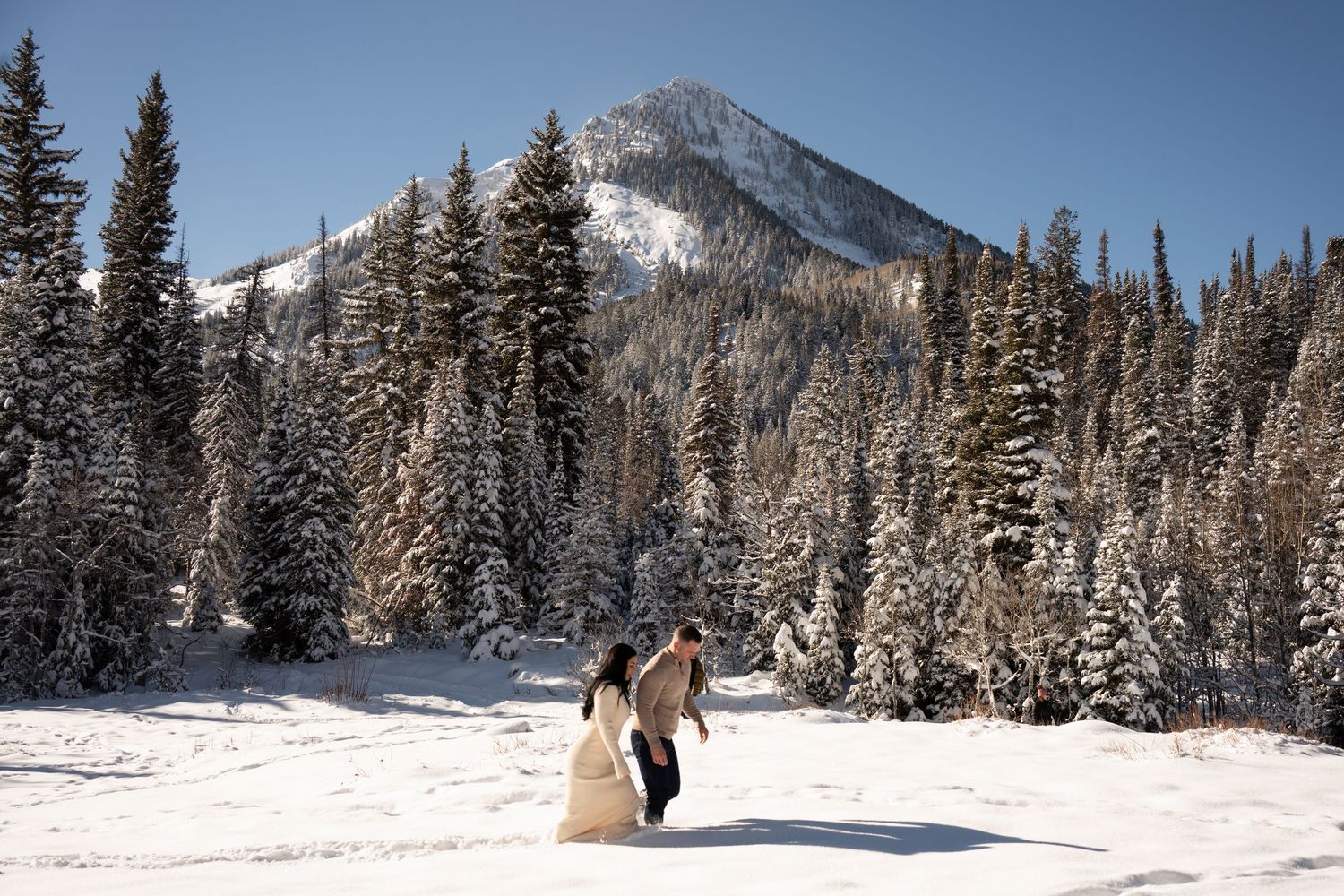
💍 You want a destination wedding feel without the destination. Your after-ceremony adventure could be Arches, Zion, Bryce Canyon, the Salt Flats, or the mountains above Park City, so the day still feels like a full trip.
This isn't about skipping out on something. It's about building something that fits.
How to Plan Your Temple Elopement
The logistics are simpler than a traditional wedding, but there are still three steps to line up in order.
Schedule your sealing and pick your temple. Call or visit the temple recorder's office to set your date and time. Utah has 31 operating temples, so you can choose based on where family lives, which grounds fit the look you want, or simply which building has an opening that matches your timeline.
Get your guest list and headcount to the temple early. Sealing rooms are assigned based on the number you report in advance, so a firm count (not a rough guess) keeps you from being squeezed into a smaller room than you need.
Build the after and book your photographer for the full day. Decide what the adventure, meal, or gathering after the sealing looks like, then book coverage that starts with getting ready and ends when you do, not just a short window around the temple exit.
Best Time of Year for Your Adventure After
The sealing itself happens indoors on your schedule, but the day you build around it is worth planning to the season.
Spring (March-May)
Mild temperatures make this a comfortable window for a national park adventure or a mountain hike after your sealing, before summer heat sets in on Utah's desert parks.
Summer (June-August)
Long daylight hours give you more usable time for a big adventure day. In southern Utah's desert parks, plan the hottest stretch of afternoon around a meal or an air-conditioned stop instead of a hike.
Fall (September-November)
Comfortable temperatures and changing color in the mountain canyons make this one of the most photogenic windows for the portion of the day after your sealing.
Winter (December-February)
Snow adds striking drama at mountain-adjacent temples, and crowds thin out almost everywhere. Check road conditions before you commit to a canyon drive, since some routes close or slow down after a storm.
Choosing Your Temple
Utah has more operating temples than any other state, and the grounds vary a lot in scale and setting. A few that come up often for couples building a temple elopement day:
St. George Utah Temple
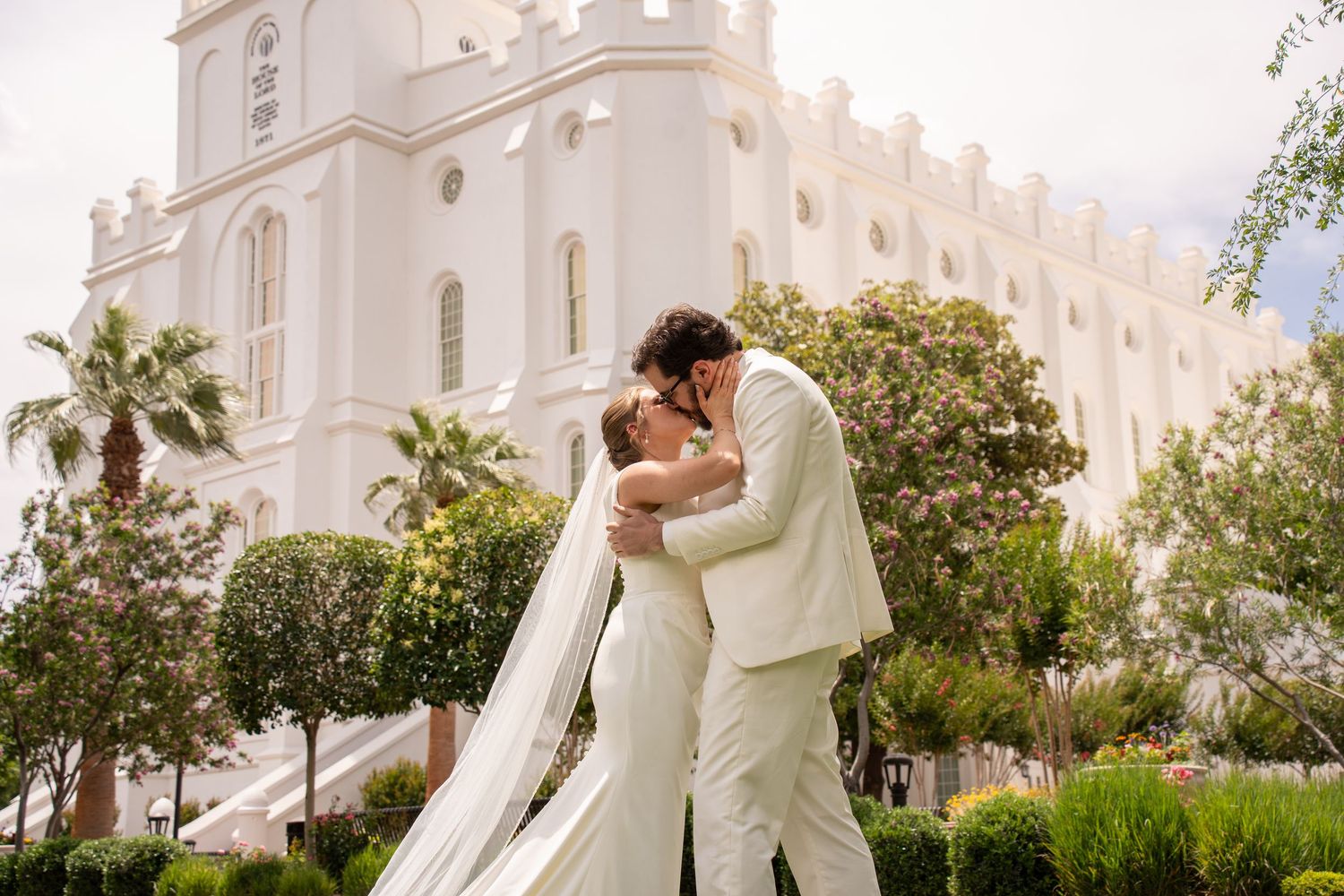
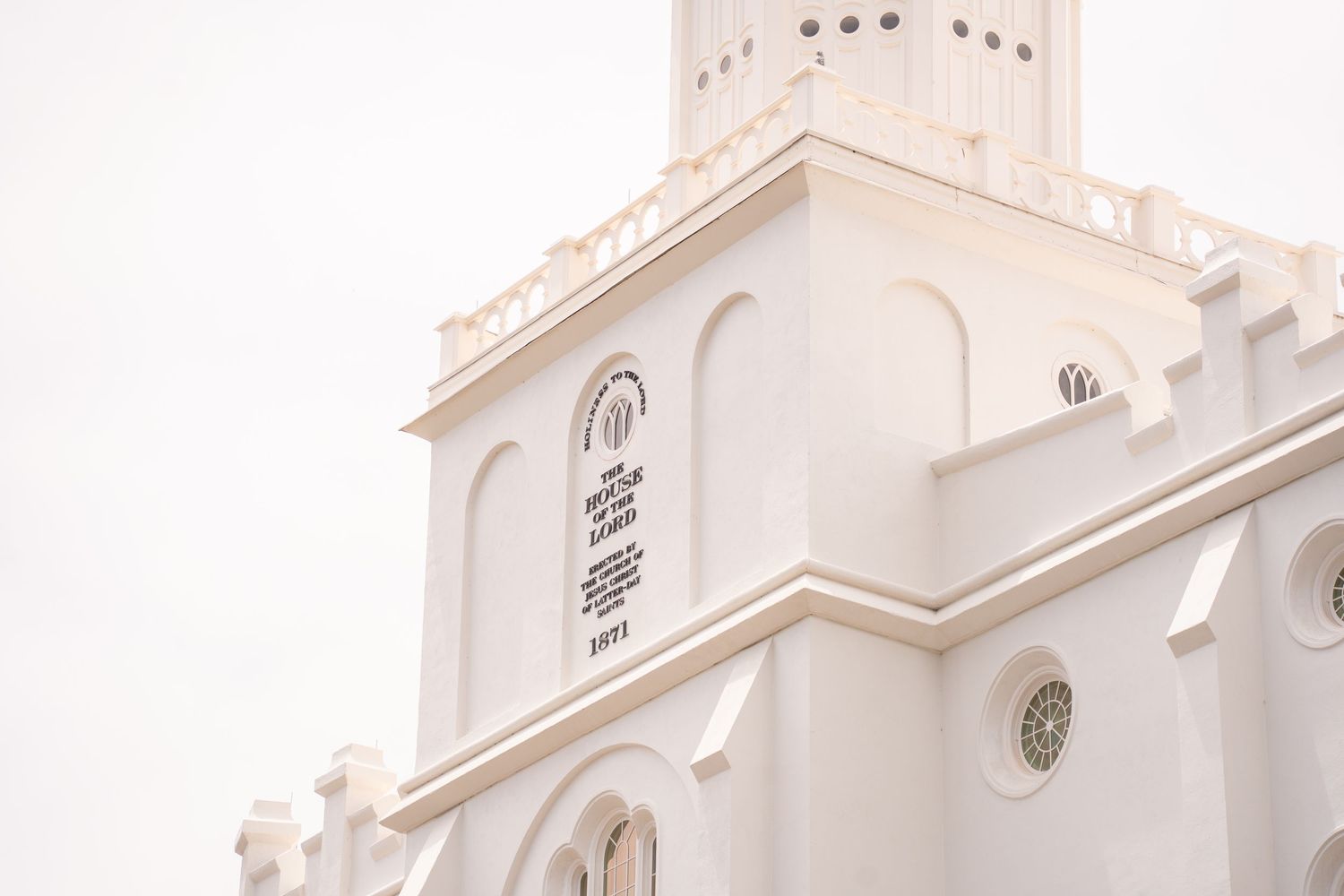
Dedicated in 1877, it's the oldest operating temple in Utah, with a historic, established look to the grounds that reads differently in photos than a newer building.
Payson Utah Temple
Dedicated in 2015 on a 10.63-acre site, one of the larger modern temple grounds in the state, with room to spread out for portraits before you head to the rest of your day.
Mount Timpanogos Utah Temple (American Fork)
Dedicated in 1996 on 16.7 acres, set against the mountain it's named for, a good pick if you want peaks in the background of your temple photos.
Draper Utah Temple
Dedicated in 2009 on a hillside overlooking the Salt Lake Valley, with valley views that give portraits taken on the grounds a strong sense of place.
Whichever temple you choose, contact the temple recorder's office as you schedule your sealing to ask about grounds access and timing for your photographer.
This is where it gets good, because the day is yours to design.
Getting Ready
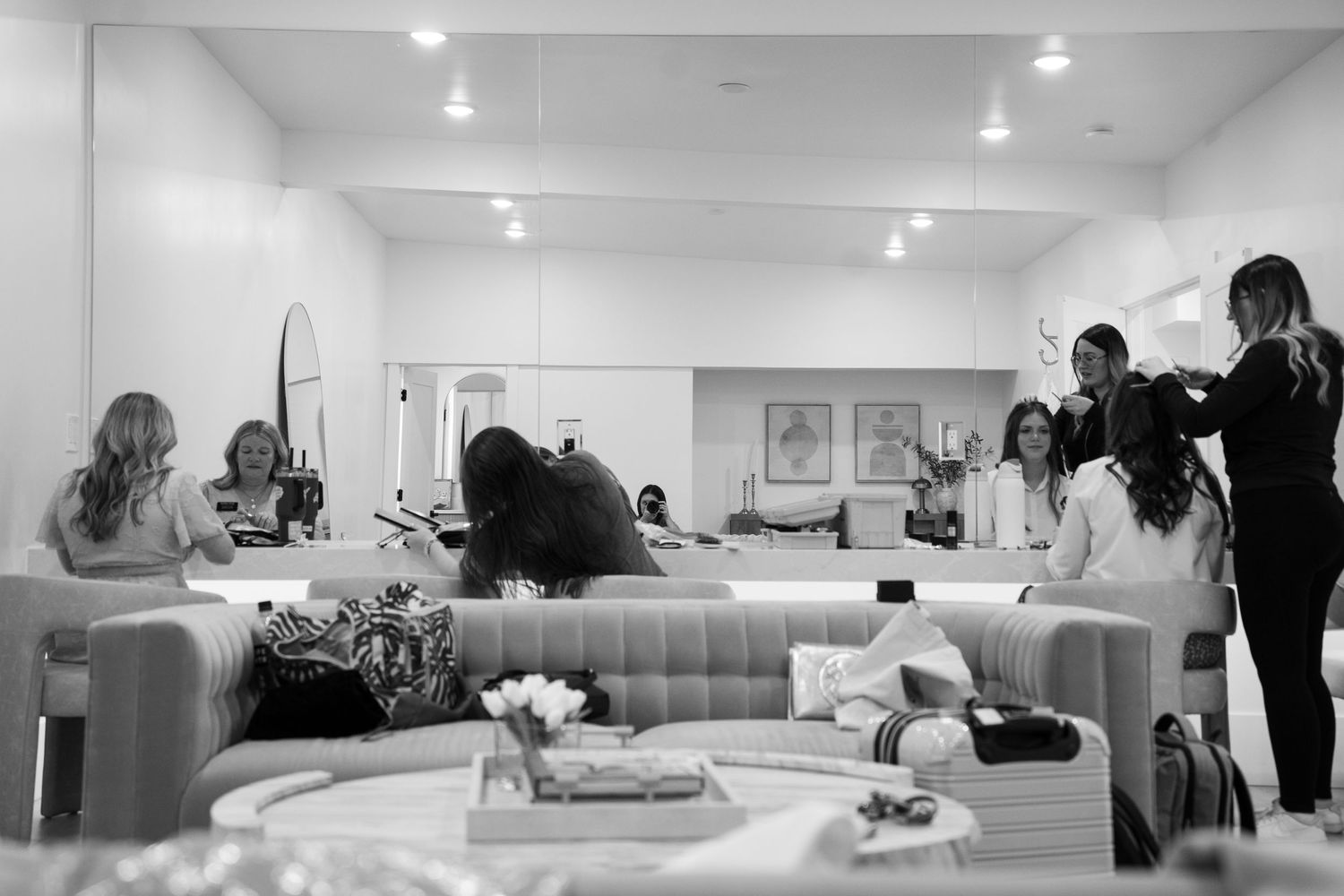
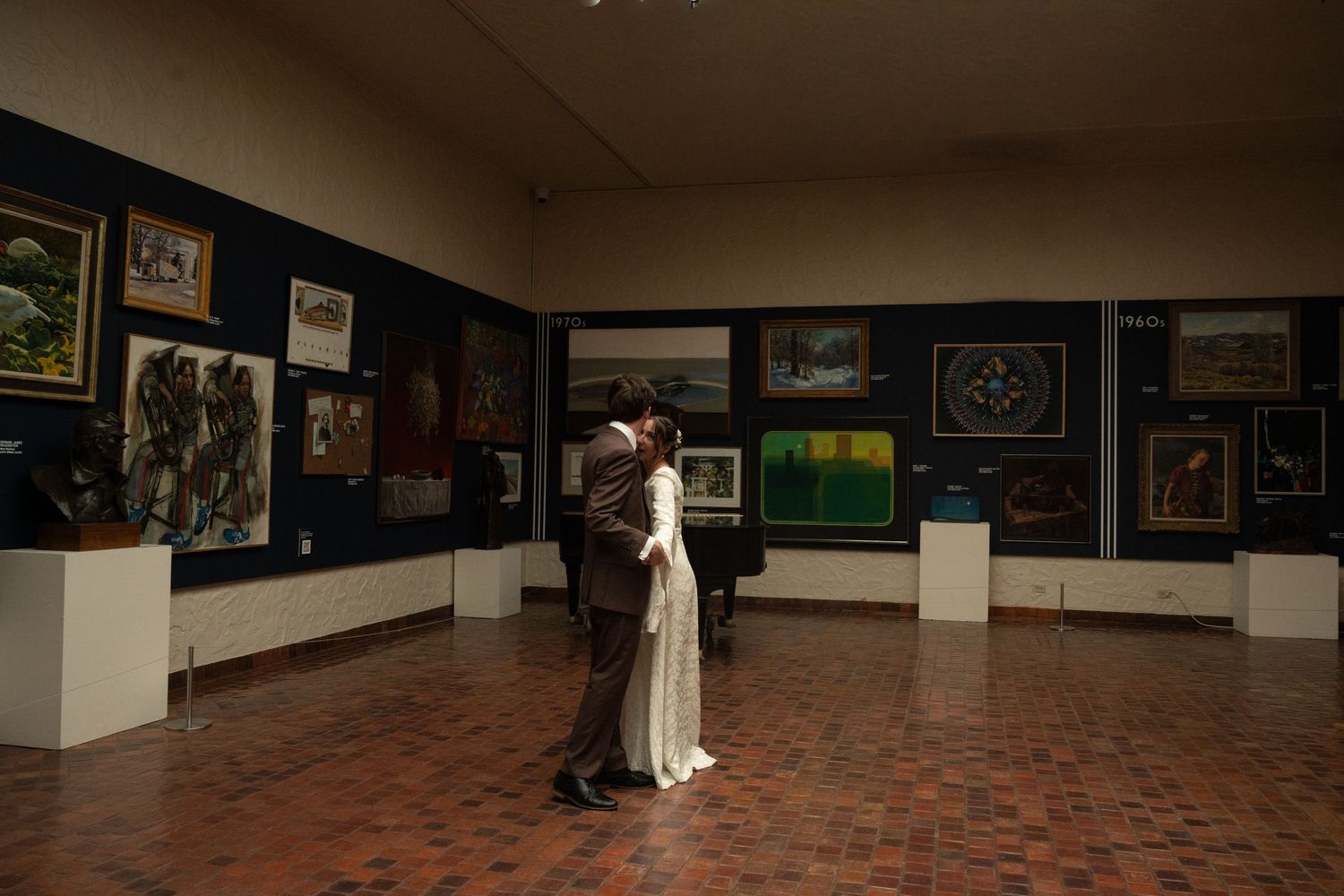
The morning usually starts at wherever you're staying: an Airbnb, a cabin, a hotel with good light. A quiet morning with your closest people before the biggest day of your life hits different when there are only 8 of them, and it's worth photographing: getting ready, an intimate brunch, a quiet walk with your spouse-to-be.
Arriving at the Temple
You'll arrive at the temple with your guests, everyone who has a current recommend from the Church of Jesus Christ of Latter-day Saints. You show up an hour before your sealing time, and all of the guests arrive 30 minutes before your sealing is set to start. Depending on the temple, sealing rooms hold anywhere from about 15 to 50 guests. Most couples doing a temple elopement are working with 10–30 people.
Your photographer will be outside, documenting the temple, and capturing detail photos such as your bouquet.
The Sealing Ceremony
Photography is not permitted inside the temple during the sealing ceremony. Your ceremony runs around 20-30 minutes, then you change into your bridal attire. I typically expect couples to exit about 45 minutes after their sealing began. Your photographer uses this time to photograph the temple grounds and the details of the day.
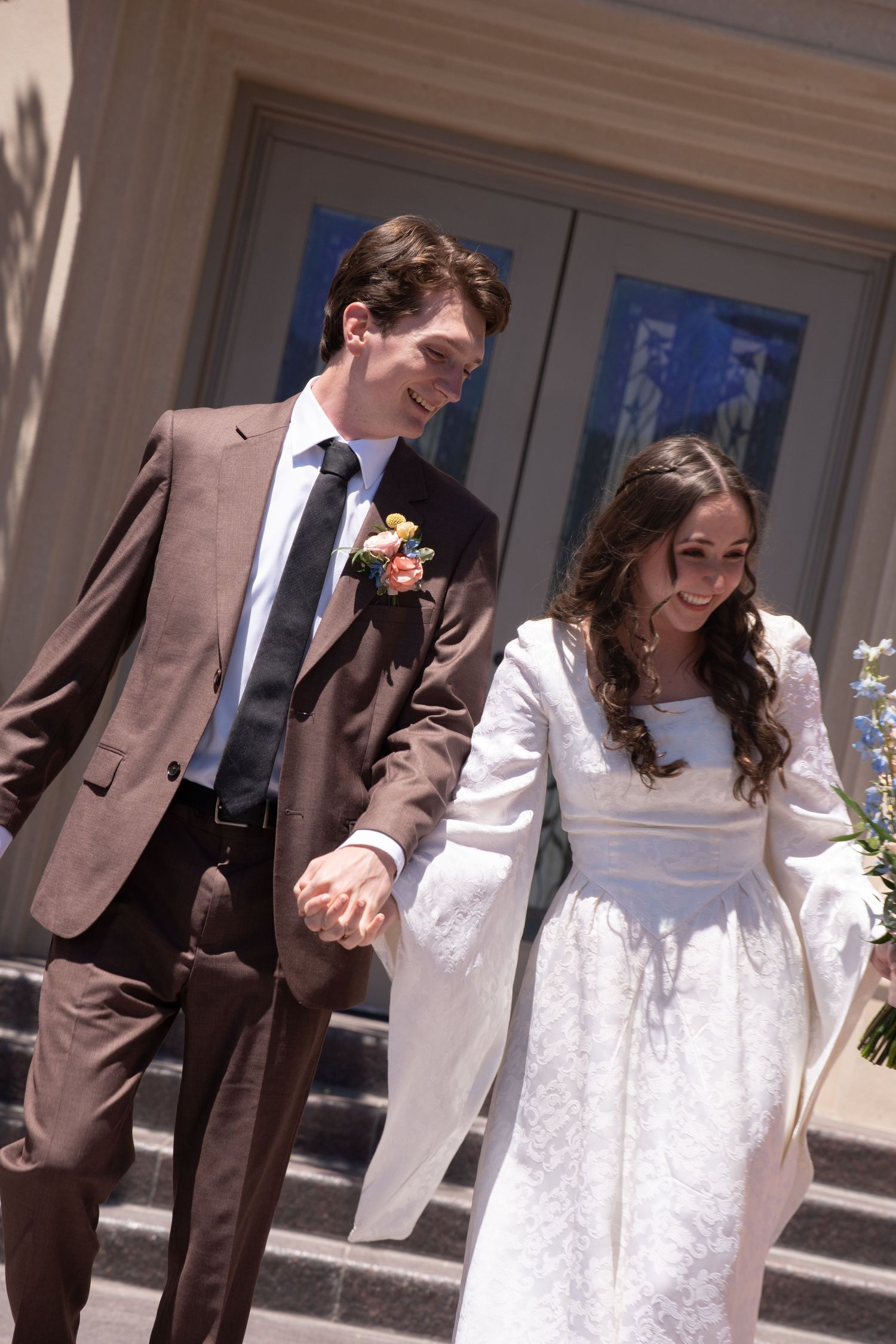
The Exit
This is the shot.
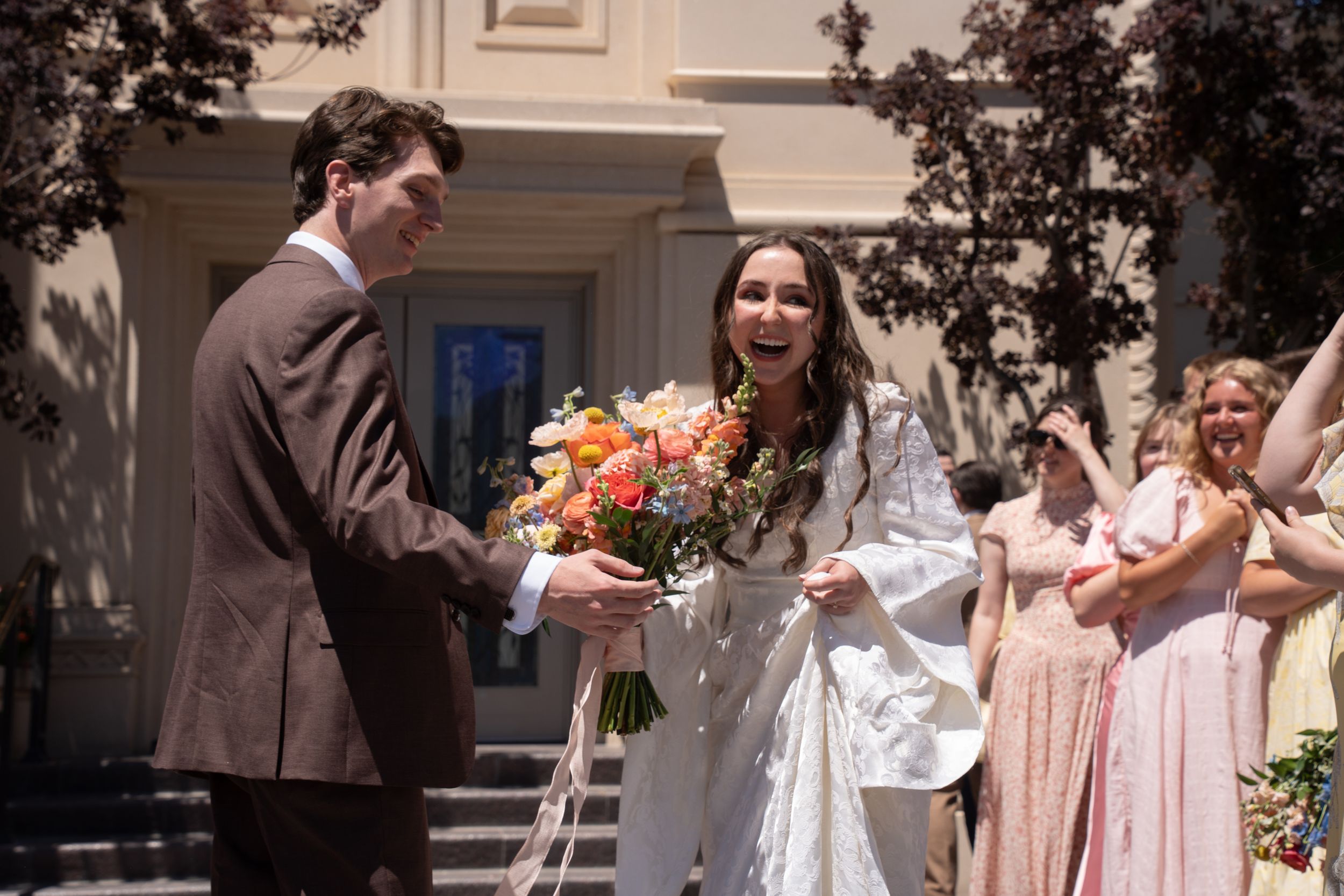
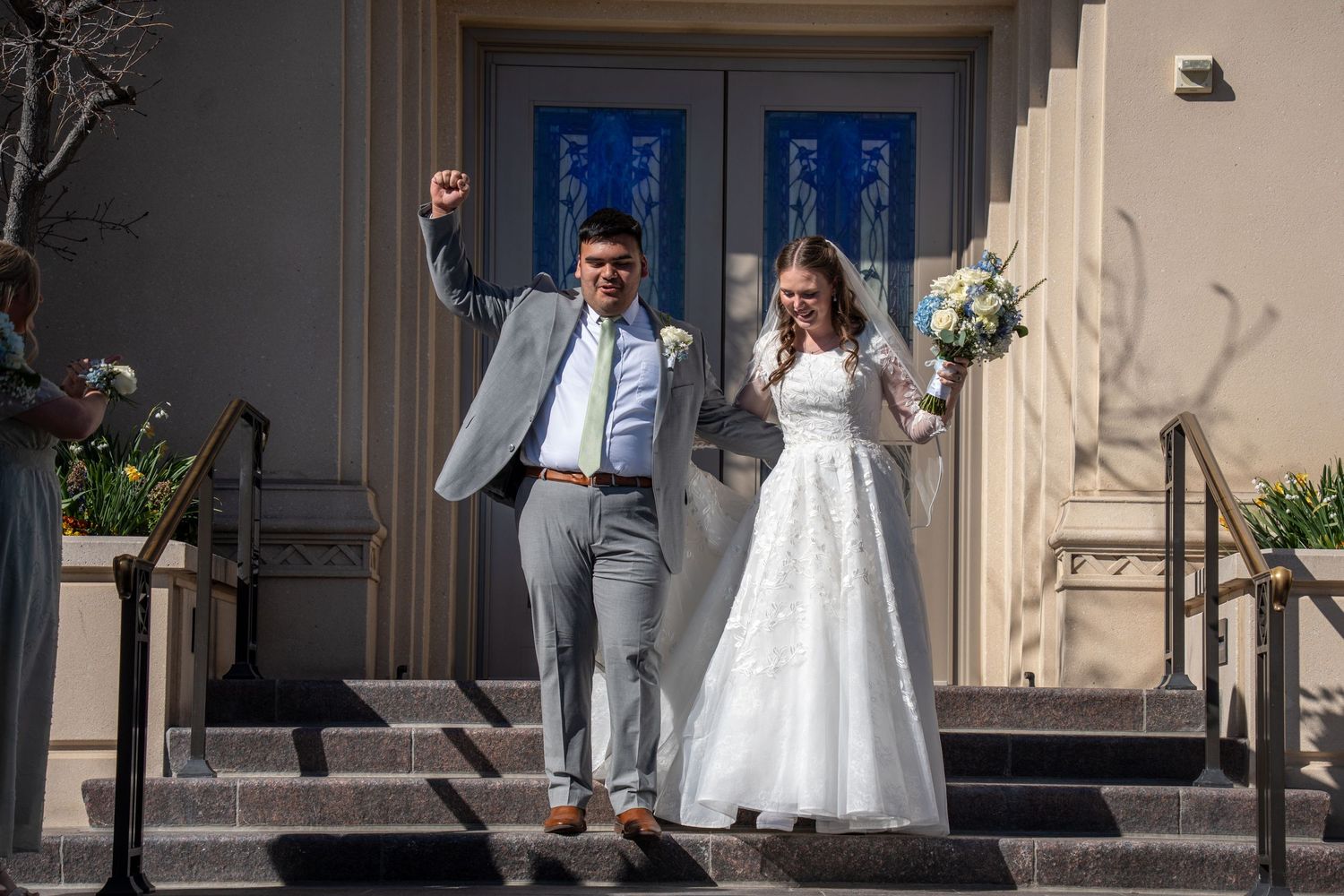
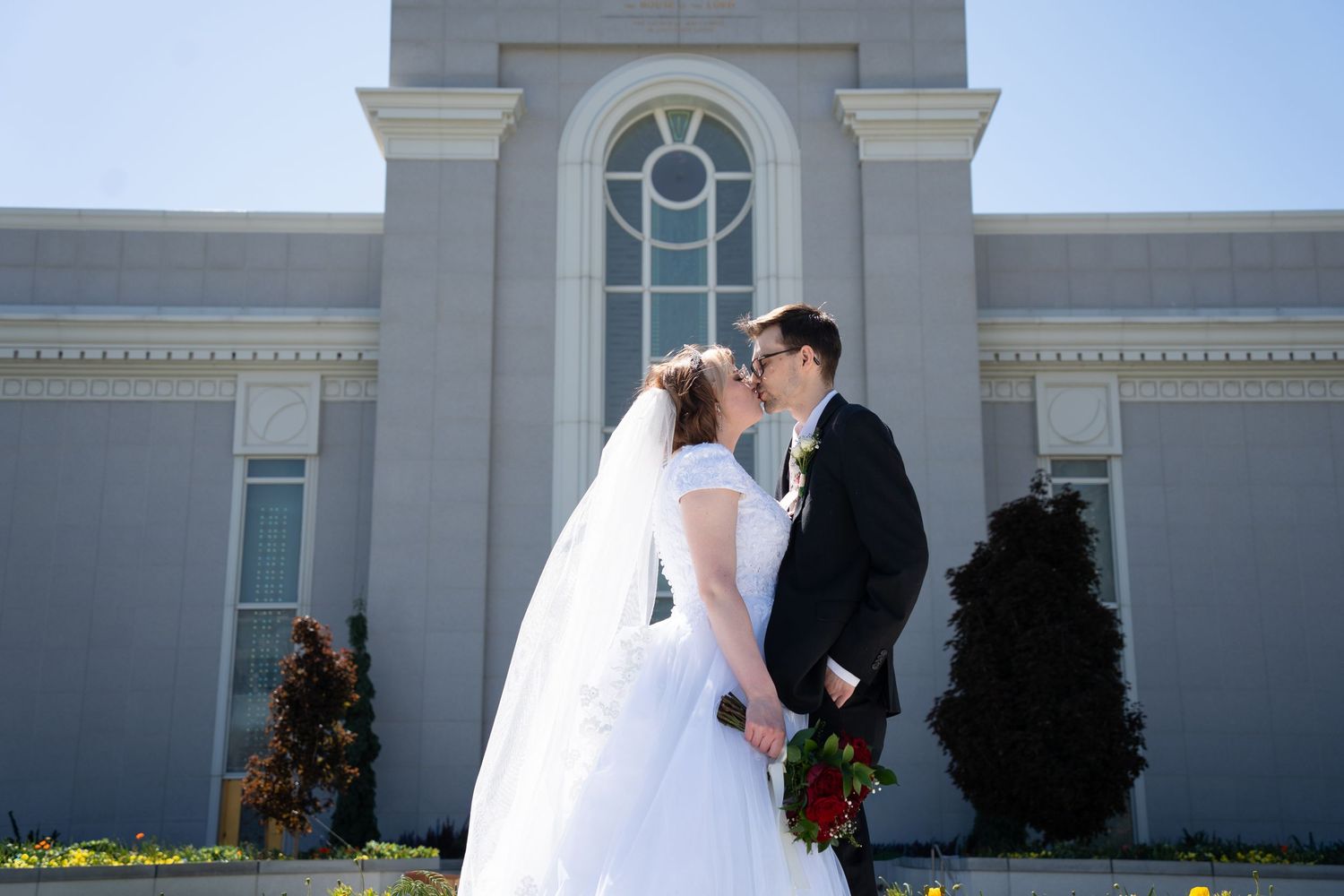
When those temple doors open and you walk out as a married couple for the first time, your family is standing there waiting. There are tears. There are cheers. There are hugs. And your photographer is right there capturing every second of it.
The exit from the temple is one of the most emotional moments I've ever witnessed, and I've photographed a lot of wedding days. It's the first moment you're seen as husband and wife. Don't underestimate it.
The After: Build It Like You
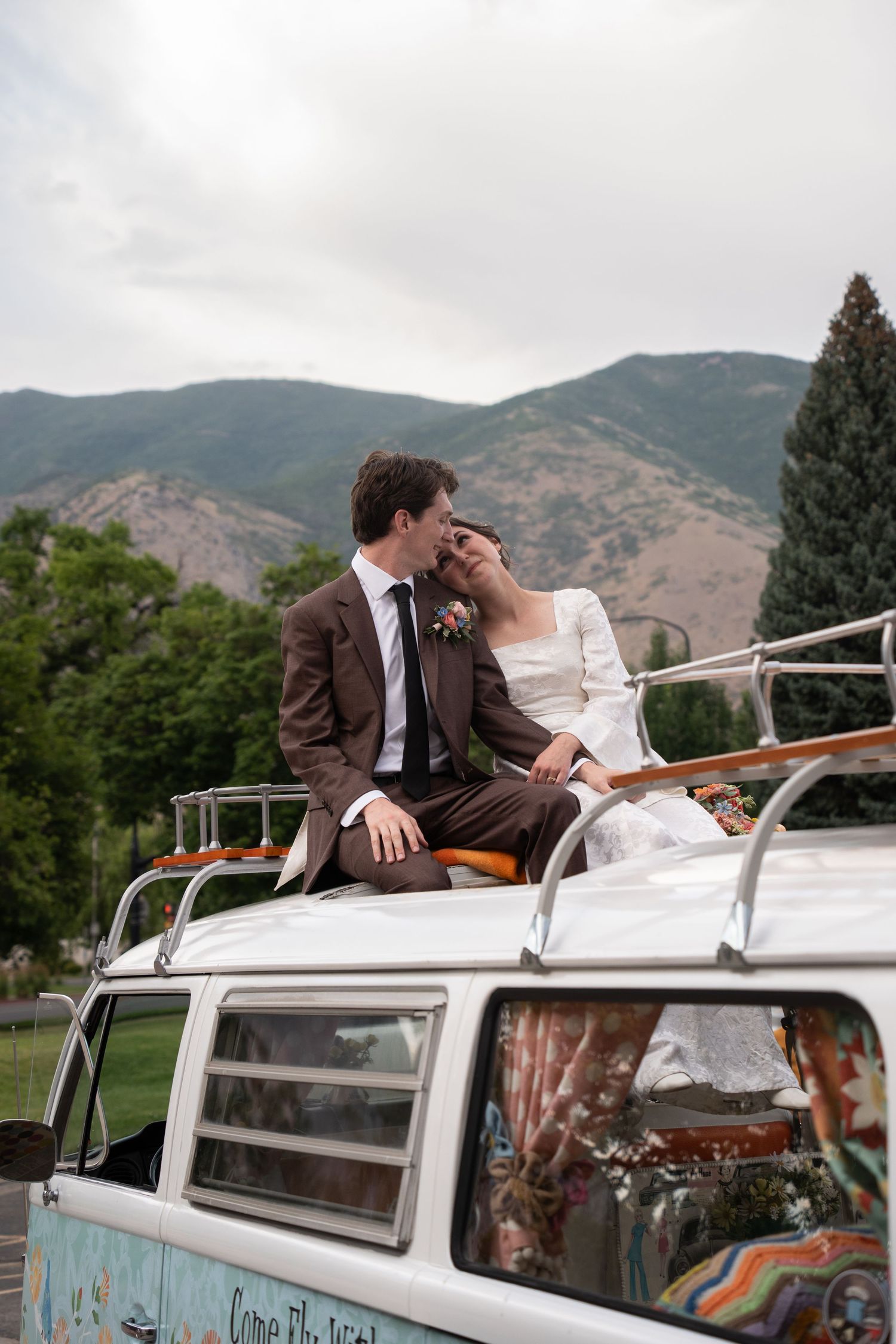
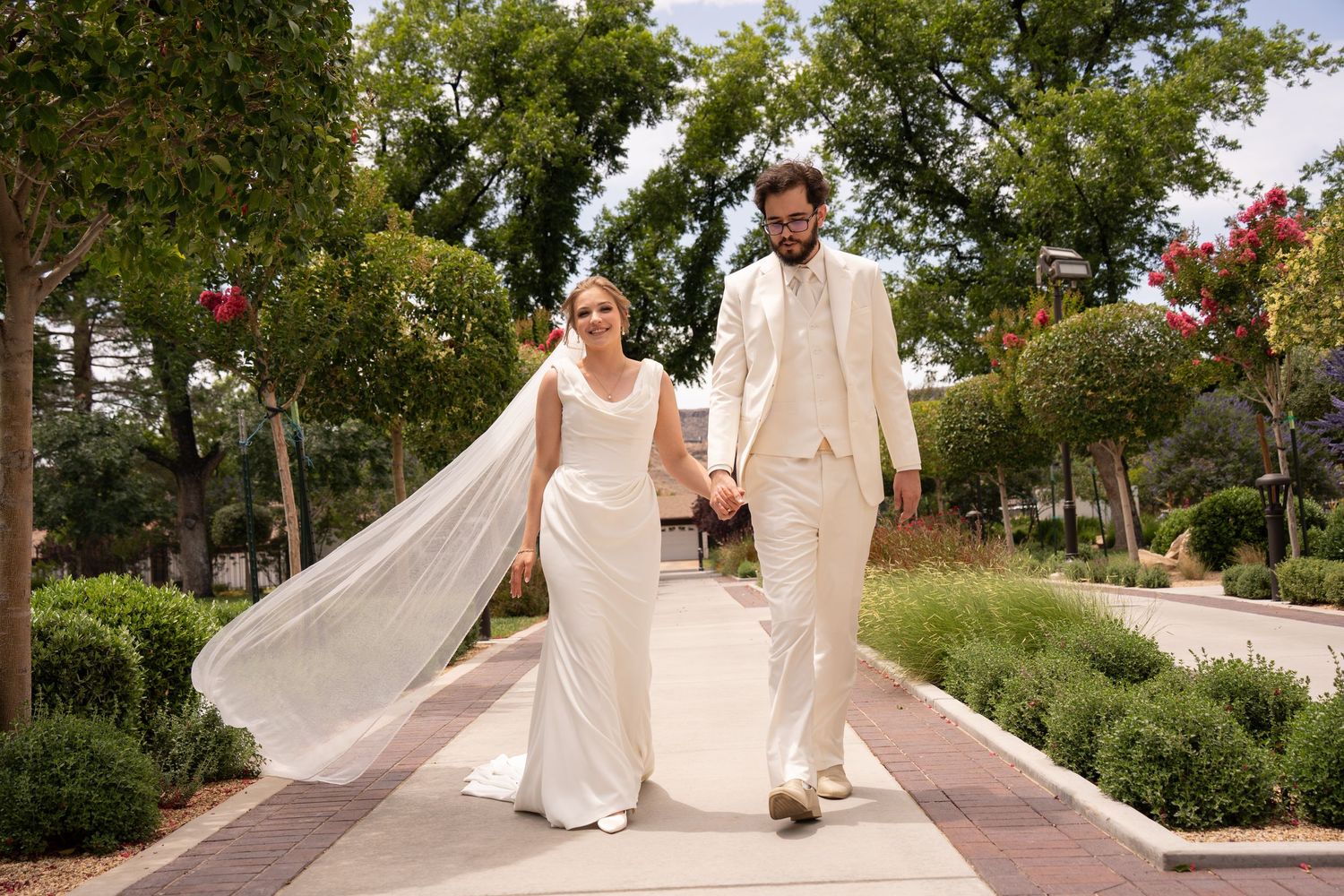
Here's where an LDS temple elopement sets itself apart from every other LDS wedding format. After you've done your portraits on temple grounds (20–30 minutes), the rest of the day is a blank canvas.
Some couples go straight to a national park for a two-hour adventure shoot. Some do a long lunch with family followed by a sunset hike. Some book a picnic on a clifftop overlooking a canyon. Some do a private family dinner at a restaurant that matters to them.
No mandatory reception hall, no assigned seating for 200 people, no hour-long receiving line. You decide what the day feels like, start to finish.
What Can Be Photographed
Let me be clear about this because it's one of the most common questions:
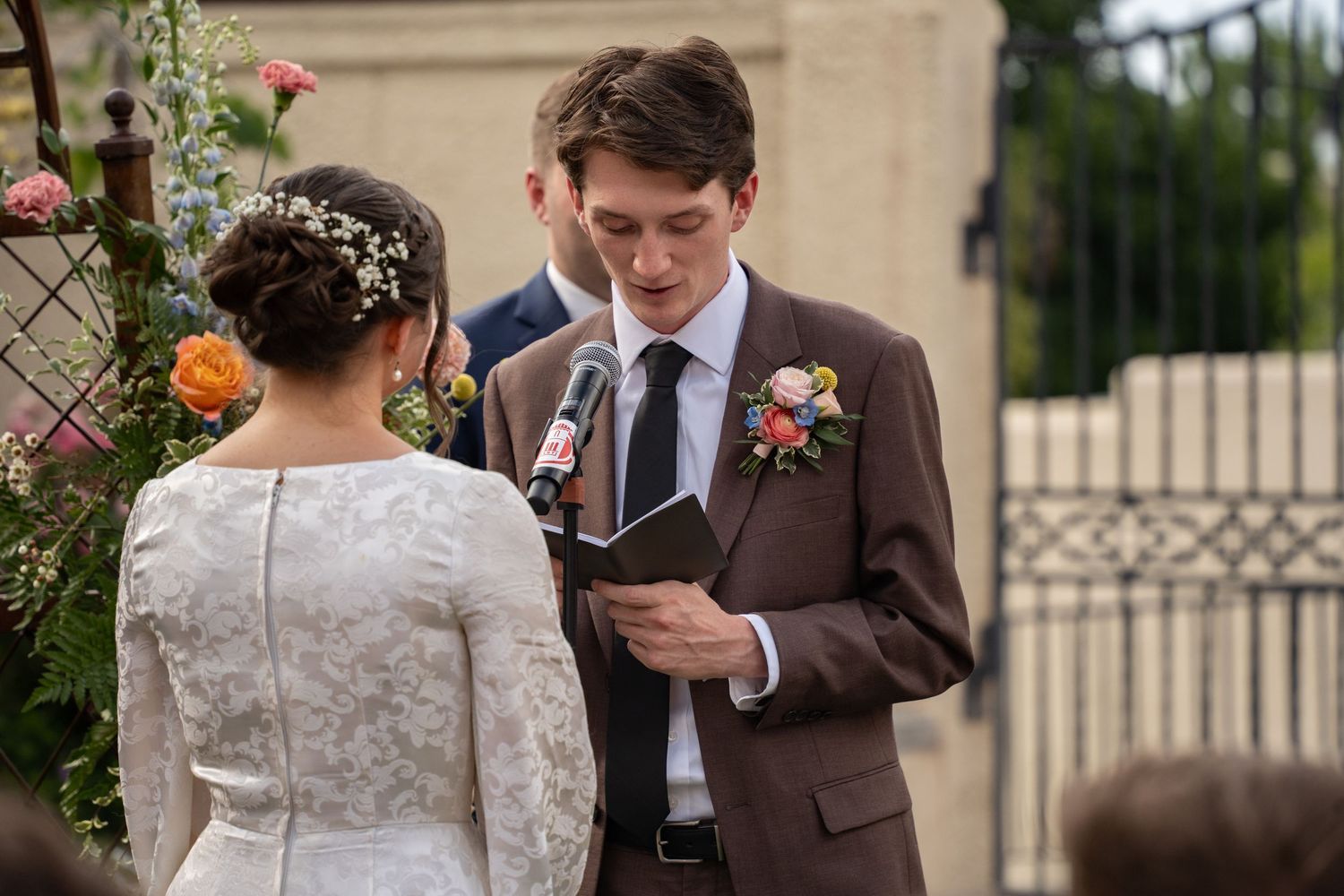
You cannot photograph inside the temple. Not the sealing ceremony, not the waiting rooms, not the altar. That's a hard line, and it applies to every photographer.
Everything else is fair game: getting ready that morning, your arrival and your family waiting outside, the exit through those doors, portraits on the grounds, and everything you build for the rest of the day. 💜 A full temple elopement day can give you 6–8 hours of photography that tells the whole story. The story just doesn't start inside the sealing room.
Permits & Legal Considerations
A few practical rules to plan around before your sealing date:
No photography or recording inside the temple. This applies during the sealing ceremony itself and covers everyone in the room, not just hired photographers.
Grounds photography needs advance authorization. Per the Church's own communication guidelines, any photos taken on temple grounds require advance authorization from the Temple Department, so have your photographer (or you) confirm this with the temple recorder's office when you schedule your sealing, rather than assuming it's automatic.
Bring your Utah marriage license on the day. In Utah, the sealing functions as your legal marriage once the person performing it signs that license, so it needs to be in hand before the ceremony, not mailed in afterward.
Guests need a current temple recommend. Anyone attending the sealing itself, not just the couple, needs to hold a valid recommend; family and friends without one can still be part of the day outside the temple.
What to Pack
Your signed Utah marriage license paperwork, ready to hand off at the sealing.
A change of clothes or shoes for the adventure or meal after, especially if you're headed somewhere dusty or uneven underfoot.
Water and snacks if the after-plan includes a hike or a national park stop, since services can be sparse once you're outside the city.
A charged phone and a short list of shot priorities to hand your photographer, so nothing gets missed in a day that moves fast.
Book Your Date
Let's Plan Your Temple Elopement Day
Tell me your temple and what you want the rest of the day to look like. Photos delivered within 24 hours.
It depends on the temple: when you schedule your sealing, you give them your expected headcount and they assign a room to match, anywhere from about 10 to 50+ people depending on the building. Give them a realistic number rather than a rough guess, since rooms are assigned in advance and you can't swap to a bigger one at the last minute. One more note before that appointment: bring your Utah marriage license with you on the day, since in Utah the sealing itself functions as your legal marriage once the sealer signs that license.
Can my photographer be inside the temple?
No, and this isn't limited to professional photographers. No photography or recording of any kind is permitted inside the temple, including guests' phones during the sealing itself. Everyone, professional or family member, waits outside until the ceremony is complete. Your photographer uses that time to document the temple grounds and the details of your day instead.
Do we need to do a reception?
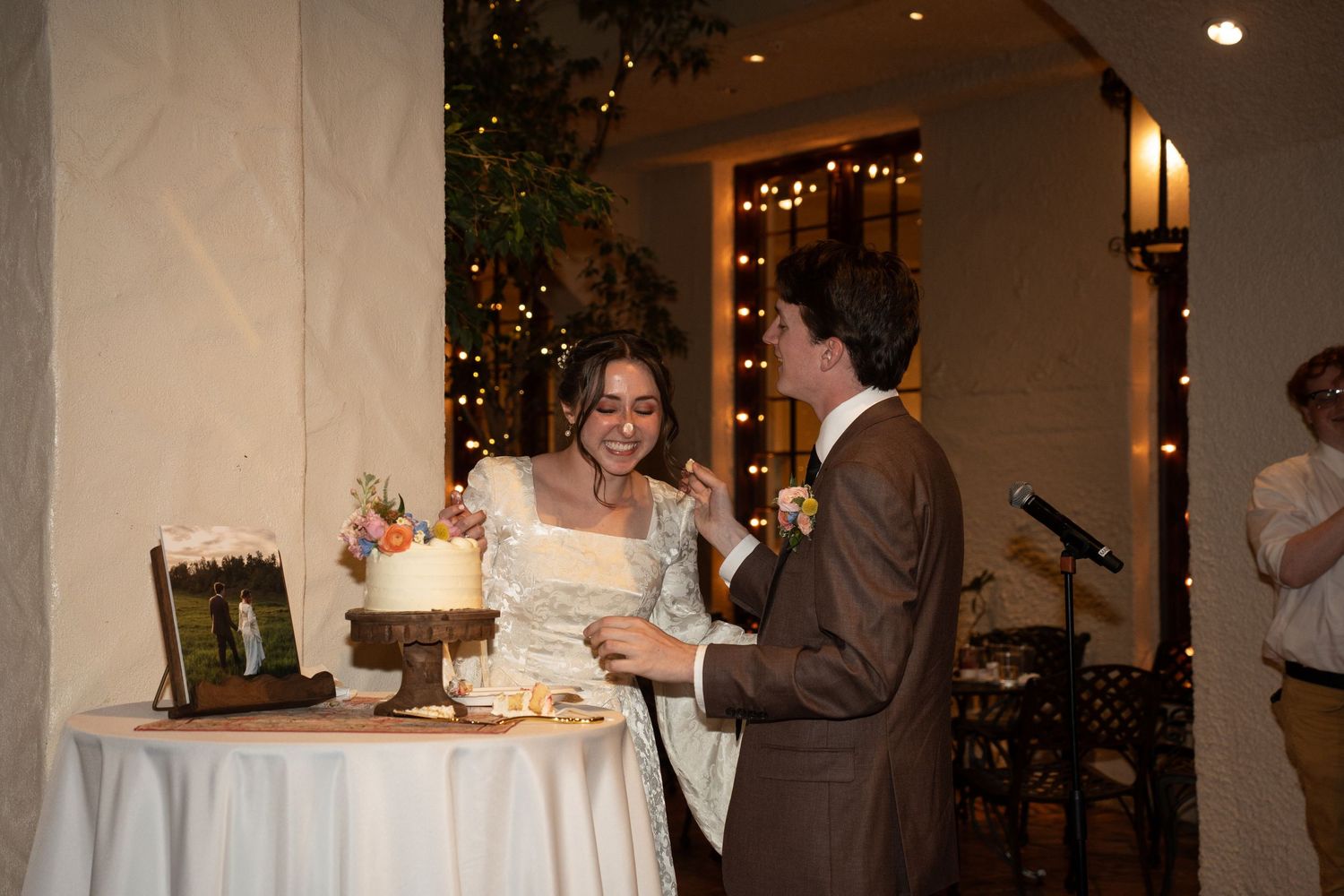
No, there's no rule requiring one. If you do want a bigger gathering beyond your closest circle, it's worth knowing many local meetinghouses let members reserve their cultural hall for a wedding reception through the building schedule, which is how a lot of Utah families host a bigger celebration without booking an outside venue. Plenty of couples skip that entirely, too: a family dinner, an adventure session, or a catered picnic all count as your celebration. You decide.
What if some of my family can't attend the sealing?
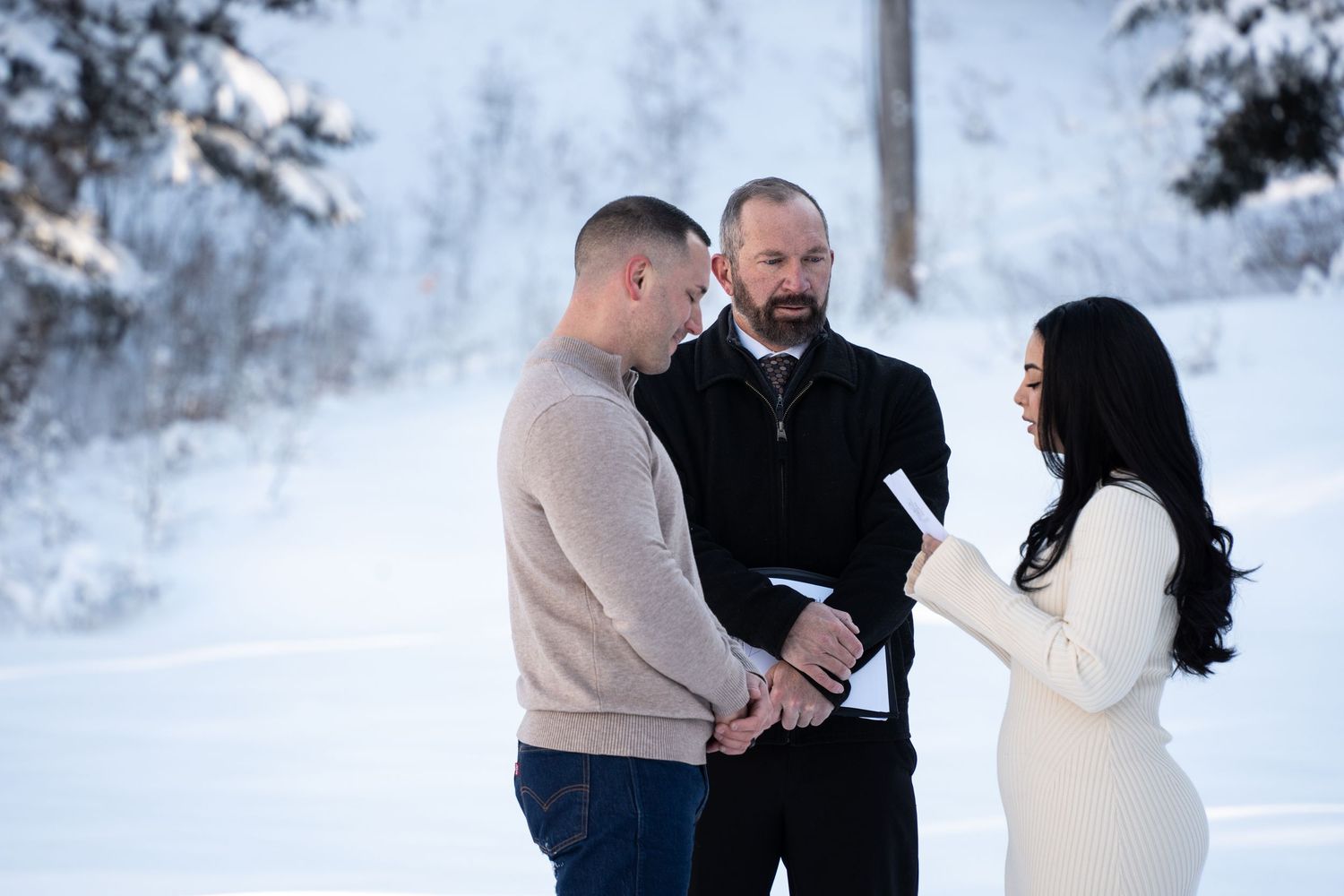
They can still be part of your day, and it's worth setting the expectation early that there's no livestream or video-call option, since photography and recording aren't permitted inside the temple for anyone. Many couples do a short ring ceremony or blessing outside the temple, giving family and friends without a current recommend a chance to watch in person, then transition to a gathering where everyone celebrates together.
Can we still get lots of photos?
Yes, a full temple elopement day easily fills 6-8 hours of photography, but only if you book coverage for the whole day rather than just the ceremony window. A lot of couples default to booking 2-3 hours around the temple exit alone, which means the getting-ready morning or the adventure afterward goes undocumented. If a full narrative matters to you, build the hours into your package from the start rather than trying to add them later.
What's the cost difference between a temple elopement and a traditional Utah wedding?
Meaningful. Most traditional wedding costs scale with your guest count: catering, rentals, favors, invitations. Trimming your list from 200 down to the 10-30 people who fit in a sealing room is what drives most of the savings, more than skipping any one fancy touch. A temple elopement built around a full photography day, a nice family meal, and an adventure session redirects that difference toward what matters more to you, like a honeymoon or simply starting your marriage without debt. See our wedding packages for what a full day of coverage includes.
It Doesn't Have to Be a Big Wedding to Be a Good One
The best wedding I've ever photographed wasn't the biggest one.
It was the one where the couple looked each other in the eye at the end of the night and said this is what we wanted. Where the family felt close instead of like an audience. Where the day felt like the beginning of something instead of a performance of it.
A temple elopement can be that.
If you're planning one in Utah and want a photographer who gets it, who knows how to document the exit, build a full adventure day, and deliver your photos within 24 hours, reach out. I'd love to hear what you're thinking.
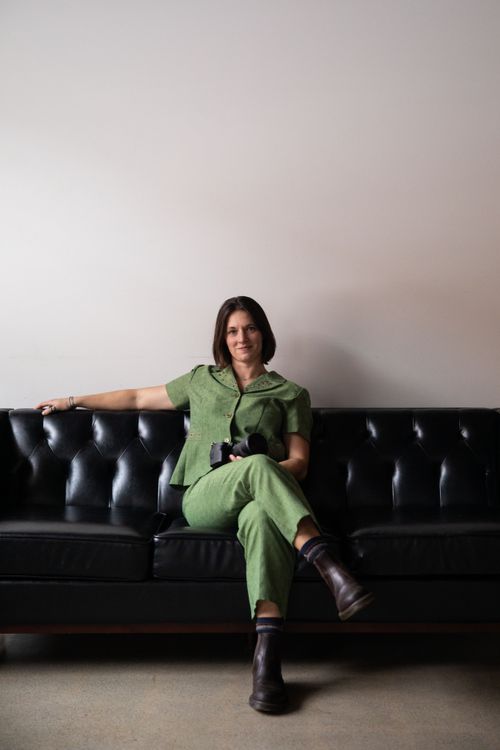
Utah-based wedding, elopement, and proposal photographer since 2025. I've scouted these locations myself, so the advice here comes from firsthand experience, not guesswork.