The short version: eloping at Capitol Reef means filing a $100 Special Use Permit application with the park's commercial services office, at least 7 days out by law but realistically weeks ahead if you want it to clear without a scramble, and holding your ceremony at one of eleven approved sites, from the historic pioneer orchards to remote desert overlooks. Add a Utah marriage license (any county clerk, no waiting period) and the paperwork's done.
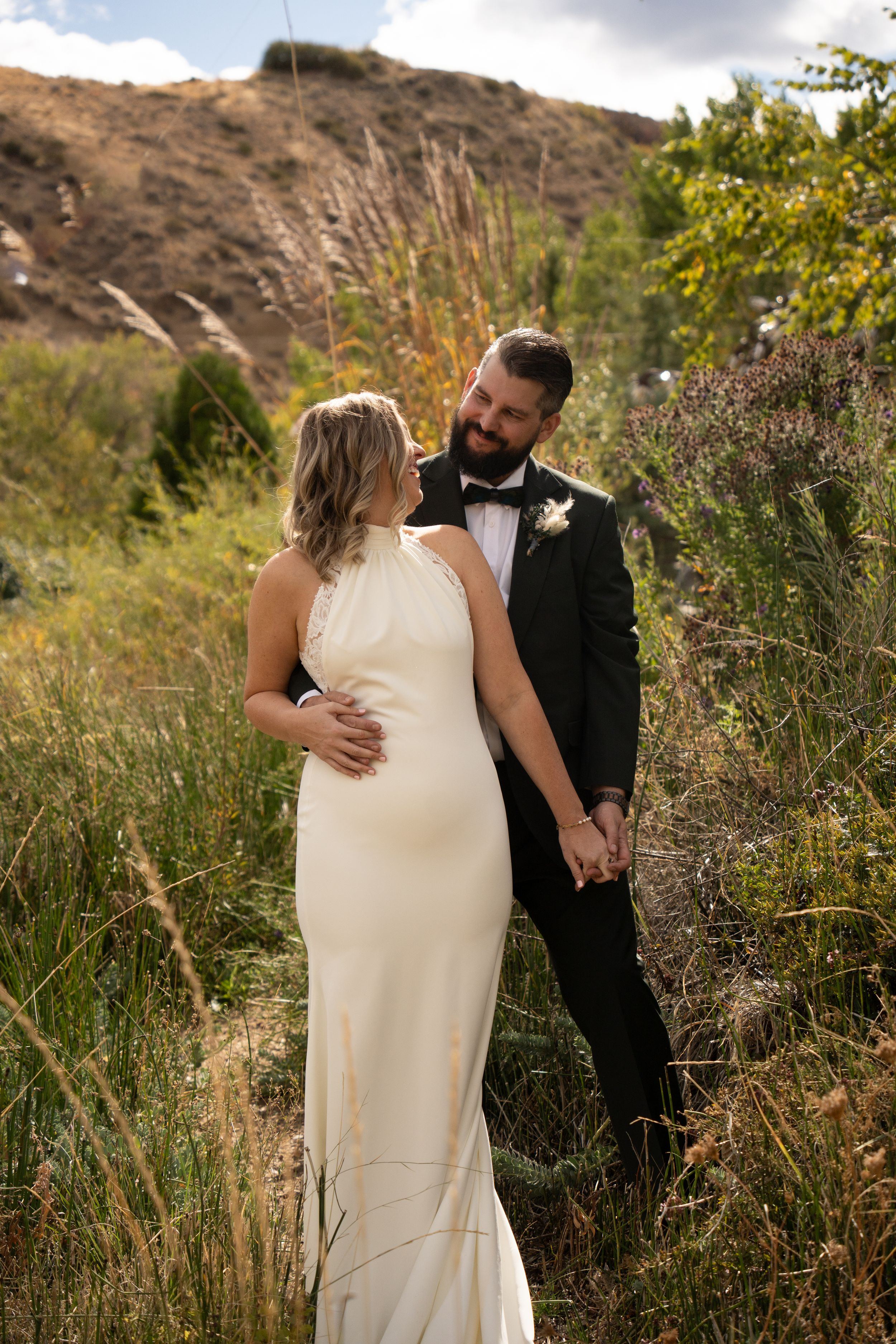
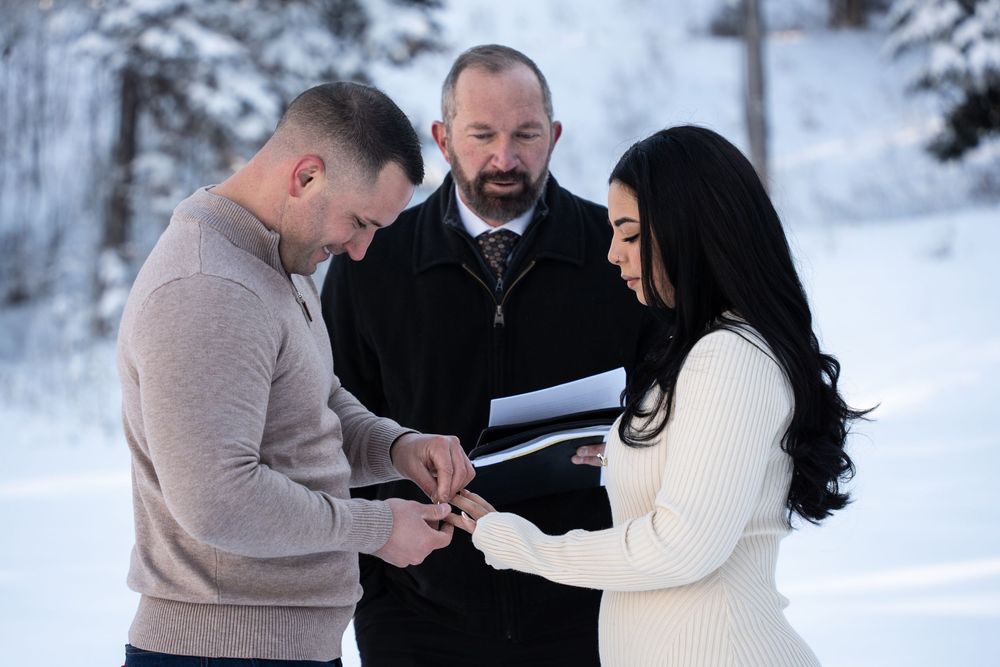
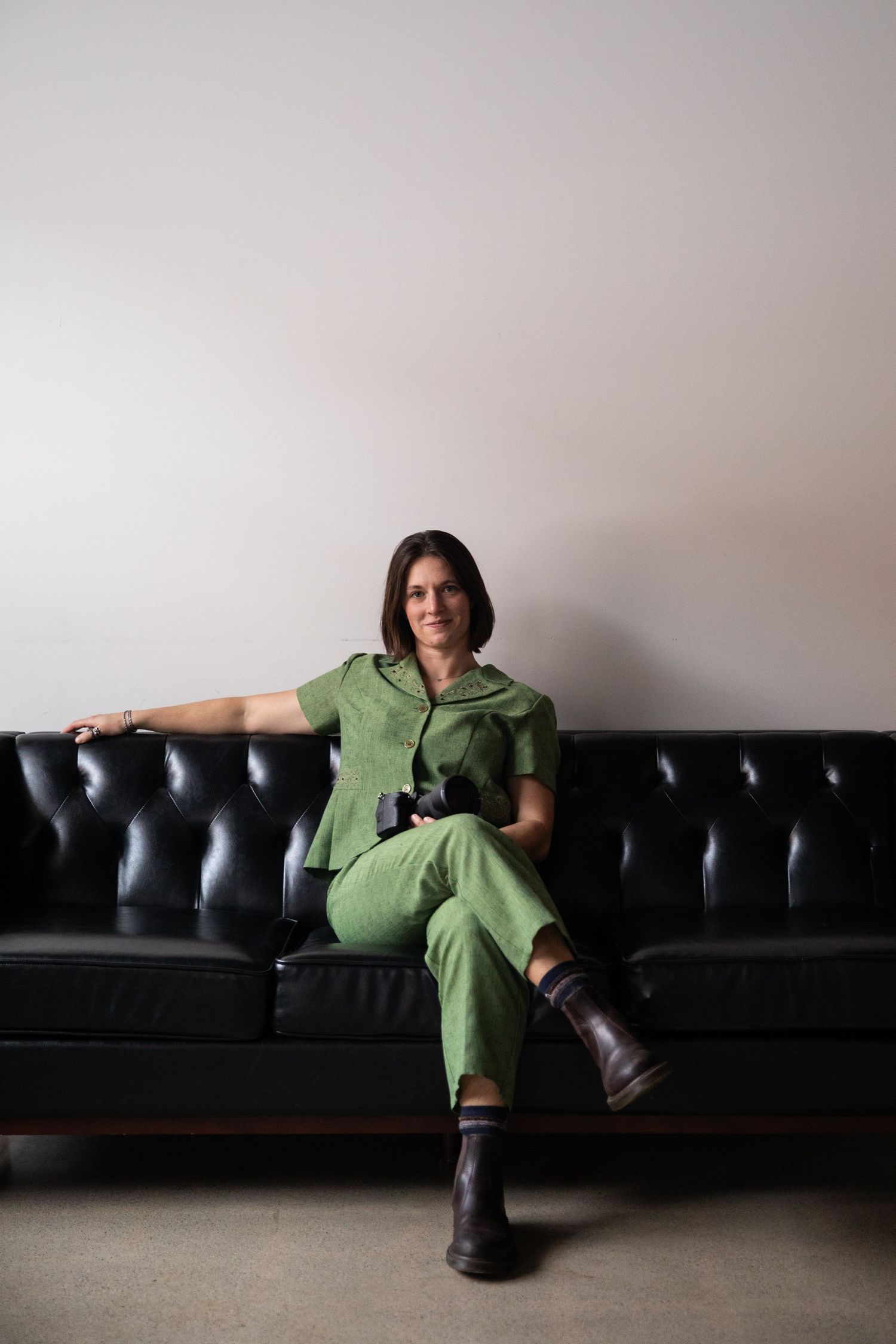
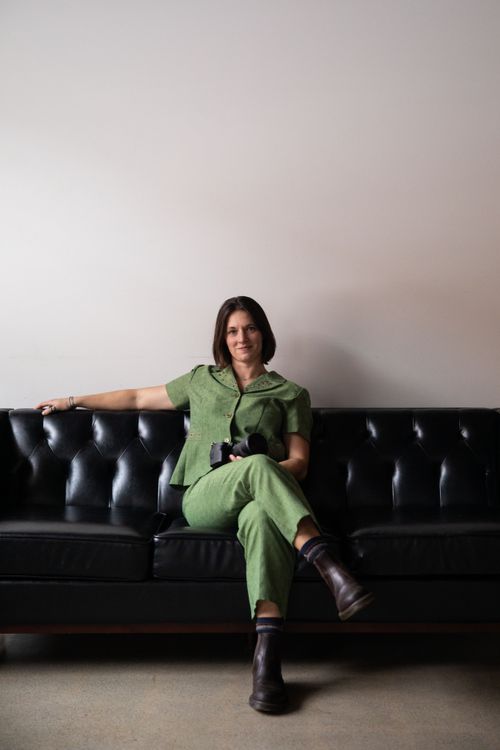
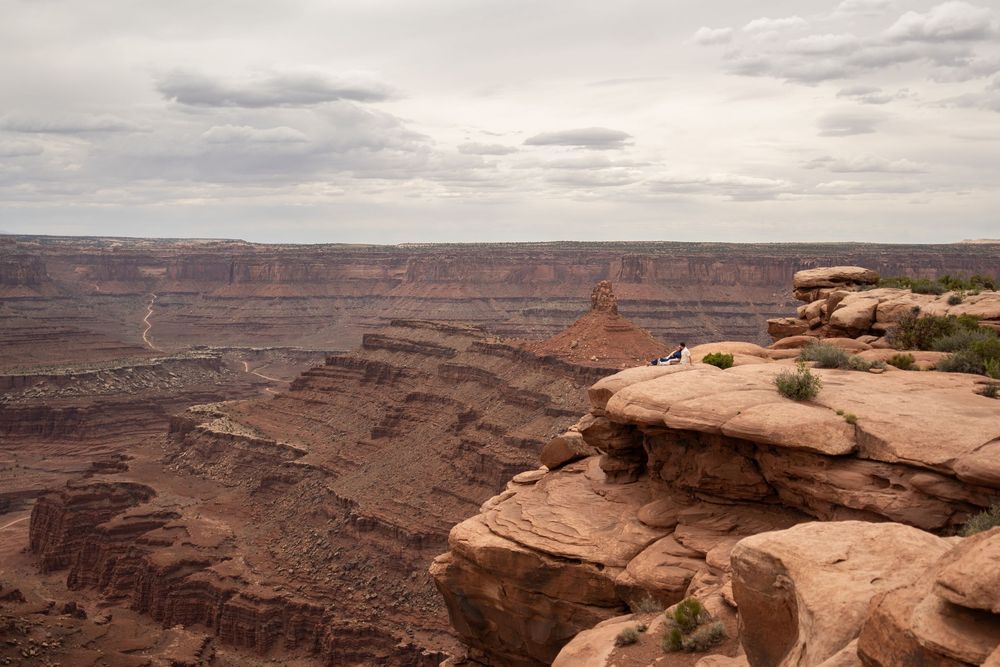
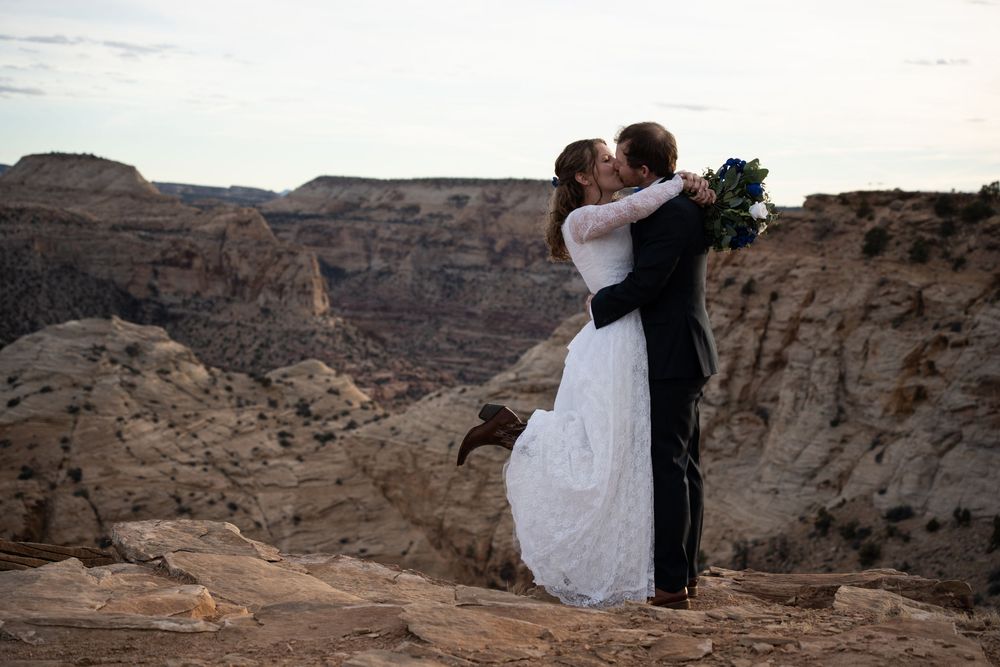
An upfront note: I haven't photographed an elopement inside Capitol Reef yet, so there's no gallery of Capitol Reef wedding photos on this page. What you will find is everything I've researched about permits, ceremony sites, timing, and budget, useful whether you book me or someone else. The image above is from a session in Saint George, a different southern Utah location, labeled clearly rather than passed off as Capitol Reef.
If a Capitol Reef elopement is what you're picturing, I'd love to close that gap with a gallery of my own. See every Utah elopement package for pricing, and I'm actively planning my first sessions inside the park.
TL;DR
A $100 Special Use Permit is required for any ceremony, applied for with the park's commercial services office at least 7 days out (weeks ahead is safer).
Eleven sites are approved for ceremonies, with group caps ranging from 5 to 100 guests; see the site-by-site table below.
A separate $20 per-vehicle Scenic Drive entrance fee applies on top of the permit fee, valid for 7 consecutive days.
Ceremonies typically run 20 minutes, with non-amplified music only and strict Leave No Trace rules.
Photography outside your ceremony (portraits, engagement sessions) doesn't need this permit at all.
Fruit harvest at the historic orchards runs roughly June through mid-October depending on the fruit, a backdrop no other Utah park offers.
Elopement photography starts at $3,100, with travel added since Capitol Reef sits well outside the standard Wasatch Front radius.
Nearest major airports: Salt Lake City (~230 miles) or Grand Junction, Colorado (~200 miles), both a 3 to 4.5-hour drive.
Why Elope at Capitol Reef National Park
Capitol Reef sits in south-central Utah, folded around a 100-mile wrinkle in the earth's crust called the Waterpocket Fold. It gets a fraction of the visitors Zion or Arches see in a given year, spread across a park more than twice the size of Zion, which means the site you pick for your ceremony is likely to be yours alone for the twenty minutes that matter most.
The Fruita Historic District is what makes this park different from every other red-rock option in the state: about 2,000 pioneer-planted fruit trees still grow along the Fremont River, with a working homestead, a one-room schoolhouse, and a petroglyph panel from the Fremont culture tucked in among them. Saying your vows under a canopy of cherry or apple trees, with sandstone cliffs behind you, isn't a backdrop you'll find anywhere else on this site's list of parks.
Picture the version of this that most couples never get: no line of cars at an entrance station, no crowd angling for the same photo spot, just the two of you, ripe fruit hanging in the branches, and cliffs the color of rust rising past the treeline. That's a Tuesday morning at Adams Orchard if the timing lines up.
This is also the only park on this site's list where your ceremony backdrop can include a working orchard planted more than a century ago and still bearing fruit. Nowhere else in Utah pairs living agricultural history with canyon scale in the same frame, and that pairing is worth building a whole trip around.
Tell Me Your Date and What You're Picturing
Orchard in full fruit, remote overlook with nobody else around, or a bigger family gathering, tell me what you're picturing and I'll match it to the site and season that fits before you spend a weekend cross-referencing park pages yourself.
The Challenge With Planning a Capitol Reef Elopement From Out of State
Here's what makes this park intimidating to plan from a distance: eleven approved ceremony sites, a permit application with a hard deadline, a fruit season that shifts by weeks depending on the winter, and a remote district that needs a specific kind of vehicle to reach it. That's a lot to get right sight unseen, for a day you only get once.
Add up what that costs you. Hours reading the park's own permit page trying to decode a range like "8 to 12 vehicles" and processing-time language that hedges everything. More hours guessing whether your date lands during peak crowds or a quiet week. A group text with your officiant about whether Temples of the Sun and Moon is worth the extra drive. A nagging worry that you'll file the wrong paperwork, pick a site too small for your group, or land during a week when the orchards are picked clean. That's easily a lost weekend of research most couples don't have time for.
I've read the park's permit rules directly, tracked the fruit calendar, and driven every access road on this page, including the high-clearance route into Cathedral Valley. When you tell me your date and group size, I can tell you in one conversation which site fits, what to expect from the permit timeline, and whether your dates line up with cherries or apples in the trees behind you.
You don't need to become a Capitol Reef permit expert before your trip. You need one conversation with someone who already did that work.
Best Ceremony Sites & Photo Spots at Capitol Reef
Eleven sites are approved for an actual ceremony, plus two more worth building into your day that skip the permit entirely since they're for photography, not vows. Here's the full depth on each: setting, group cap, and the plain tradeoffs, not just a caps table.
The Fruita Orchards: Adams, Merin Smith & Mulford
Adams Orchard, Merin Smith Orchard, and Mulford Orchard sit inside the Fruita Historic District, the same roughly 2,000 pioneer-planted trees where the park runs a self-pay fruit stand every summer. Each holds up to 30 guests and 8 to 12 vehicles. Stand under the canopy during harvest and the backdrop isn't staged: ripe fruit hangs in the branches behind you, sandstone cliffs rise past the treeline, and the Fremont River runs close enough to hear.
Each orchard has its own character. Adams Orchard sits closest to the historic Gifford Homestead and the one-room Fruita schoolhouse, so it pairs a working-farm feel with pioneer-era buildings in the wider view. Merin Smith Orchard sits a little further from the visitor center, quieter on a day when Adams draws more foot traffic from the fruit stand. Mulford Orchard rounds out the trio with its own mix of tree varieties, worth a look if a specific fruit matters more to your photos than which orchard sits closest to the road.
The tradeoff: the orchards sit inside the most visited part of the park, so a summer weekday morning holds far more quiet than a Saturday afternoon in high season. Timing your ceremony around the fruit hotline and an early hour gets you both the ripest trees and the fewest onlookers.
Guest cap: 30 per orchard.
Vehicle cap: 8 to 12 per orchard.
Setting: historic working orchard, sandstone cliffs behind the treeline.
Best for: a fruit-season ceremony with a pioneer-history backdrop.
Panorama Point: The Big View With No Hike
Panorama Point earns its name without exaggeration: a wide sweep of the Waterpocket Fold and the park's characteristic reef of cliffs, visible from a paved pullout that needs no hike at all. Up to 30 guests and 8 vehicles fit here, which makes it one of the more flexible larger-group sites if the appeal is a dramatic desert view rather than a walk in.
Because it's a drive-up overlook just off Highway 24, it also works for a couple who wants the scale of Capitol Reef's cliffs in the frame without asking guests to walk a trail in dress shoes. Sunrise light rakes across the Fold from this angle in a way a midday visit won't give you, so an early ceremony here does double duty for both privacy and the photos.
Guest cap: 30.
Vehicle cap: 8.
Access: paved pullout off Highway 24, no hike required.
Best for: a larger group who wants a dramatic overlook without a trail.
Sunset Point & Goosenecks Overlook: The Intimate Options
Sunset Point and Goosenecks Overlook are the park's two compact, view-driven ceremony sites, each capped at 20 guests and 2 vehicles. Both sit along short, easy trails near the Panorama Point turnoff, Sunset Point about a third-mile round trip, Goosenecks Overlook even shorter, out to a sheer drop into a gooseneck bend carved by Sulphur Creek.
The small vehicle cap tells you what these spots are built for: an intimate ceremony, not a family reunion. If it's the two of you plus a witness or two, either overlook gives you the edge of a canyon without the crowd management a bigger site would need. Sunset Point, true to its name, holds its light longest into evening; Goosenecks rewards an earlier visit before midday sun flattens the canyon's depth.
Guest cap: 20 each.
Vehicle cap: 2 each.
Access: short, easy trails near Panorama Point, under a half mile round trip.
Best for: a two-person ceremony with an unobstructed canyon-edge view.
Temples of the Sun and Moon: Total Isolation
Temples of the Sun and Moon sit out in Cathedral Valley, the park's remote northern district, roughly a 1.5-hour drive from the visitor center that requires a high-clearance vehicle; a standard sedan isn't built for this road. The payoff: two colossal sandstone monoliths rising out of open desert, with a stillness the more accessible parts of the park can't offer. Up to 20 guests and 4 vehicles fit here.
This is the pick for a couple who wants total isolation and doesn't mind earning it. Plan a full half-day around this site, not just the ceremony itself: the drive alone takes time each way, cell service disappears well before you arrive, and there's no water, shade, or facilities anywhere nearby. Couples who choose Cathedral Valley tend to be the same couples who'd pick a serious hike over a paved overlook anywhere else on this page.
Guest cap: 20.
Vehicle cap: 4.
Access: ~1.5-hour drive from the visitor center, high-clearance vehicle required, includes a river ford.
Best for: couples who want total isolation and don't mind the drive.
Picnic Area, Campground Amphitheater & Group Campsite: For a Bigger Guest List
Picnic Area, Campground Amphitheater, and Group Campsite are Capitol Reef's answer to a bigger guest list. The Picnic Area holds up to 50 guests and 15 vehicles in a shaded, developed spot near Fruita, easy for guests who aren't up for a hike or a rough road. Campground Amphitheater and Group Campsite each hold up to 100, the largest ceremonies approved anywhere in the park, both inside the developed Fruita Campground area with restrooms and parking close by.
None of the three trades scenery for capacity as much as you'd expect. You're still inside the Fruita Historic District, orchards and sandstone cliffs in view, just with the infrastructure to seat a crowd instead of a couple and a witness. If your elopement is really a small wedding in disguise, twenty or thirty family members who insisted on coming, one of these three is where that group fits inside park rules.
Picnic Area: 50 guests, 15 vehicles.
Campground Amphitheater: 100 guests, 20 vehicles.
Group Campsite: 100 guests, 20 vehicles.
Setting: developed Fruita Campground area, restrooms and parking nearby.
Any Other Location: The Exception, Not the Default
"Any other location" is the park's catch-all exception: a site outside the ten named spots above, capped at 5 guests and 2 vehicles, that needs specific approval as part of your permit application. It exists for a couple who has a particular spot in mind that isn't on the standard list, not as a workaround for a bigger group.
I wouldn't lean on this option unless a specific, already-scouted location matters more to you than the ten sites that come pre-approved. When a couple asks about it, the conversation starts with why the standard list doesn't already cover what they want, since the park's staff will ask the same question during review.
Guest cap: 5.
Vehicle cap: 2.
Requires: specific written approval as part of your permit application.
Best for: a couple with one particular, already-scouted spot in mind.
Capitol Gorge & Chimney Rock: Photo Spots, No Permit Needed
Capitol Gorge and Chimney Rock Trail aren't on the ceremony list, and that's fine, since photography outside your ceremony doesn't need a separate permit at all. Both are worth building into your day for portraits before or after you say your vows.
Capitol Gorge is an easy, mostly flat mile-long walk one-way into a narrow canyon, pioneer-era names and dates carved into the rock along the way, ending at a short climb to natural water-catching pockets the park calls tanks. It's a strong pick for portraits right after a Picnic Area or orchard ceremony, since the trailhead sits a short drive from Fruita.
Chimney Rock Trail is a tougher 3.6-mile loop with a serious elevation climb, but it rewards you with panoramic views of the Waterpocket Fold that the park itself recommends for sunset. If portraits at golden hour matter more to you than an easy walk, this is where I'd point you, budgeting time for the climb rather than squeezing it in after a ceremony elsewhere.
Chimney Rock: 3.6-mile loop, a serious elevation climb, NPS-recommended for sunset.
Permit needed: no, portraits outside your ceremony don't require one.
Which Ceremony Site Fits You?
Eleven options is a lot to sort through from your couch. Match your priority in the left column to the site that delivers it.
If you want…
Best site
Guest cap
Setting
Fruit hanging in the frame during harvest
Adams, Merin Smith, or Mulford Orchard
30
Historic orchard, sandstone backdrop
A sweeping overlook with no walk in
Panorama Point
30
Paved pullout, wide desert view
A compact, quiet ceremony spot
Sunset Point or Goosenecks Overlook
20
Short trail, canyon-edge view
Total isolation, no other visitors
Temples of the Sun and Moon
20
Remote Cathedral Valley, high-clearance drive
A slightly bigger family gathering
Picnic Area
50
Shaded, developed site near Fruita
The largest guest list Capitol Reef allows
Campground Amphitheater or Group Campsite
100
Developed Fruita Campground area
Just the two of you, off the beaten path
"Any other location" exception
5
Wherever fits your vision, needs approval
A few patterns from planning these trips: the couple building their whole day around timing chooses one of the three orchards. The couple who wants a big, unmistakable Capitol Reef view without a hike lands on Panorama Point. The couple who wants nobody else in their photos, and doesn't mind a long drive and a rougher road, picks Temples of the Sun and Moon. And more couples than you'd expect choose Sunset Point or Goosenecks specifically because they're the two sites almost nobody else's Pinterest board has yet.
How to Plan Your Capitol Reef Elopement: My 3-Step Process
Planning a Capitol Reef elopement from out of state doesn't have to mean weeks of reading permit pages yourself. Here's how it works once you reach out, broken into the three decisions that matter most: where, when, and how the paperwork gets handled.
Step 1
Tell Me Your Date, Group Size, and Vision
Once you know your travel window, that's the only piece I need from you to start. Tell me your guest count, whether you're picturing an orchard full of ripe fruit or a remote overlook with no one else around, and how you feel about a high-clearance drive into Cathedral Valley. I'll match that to the site on this page that fits and flag anything about your dates worth knowing, fruit timing, campground booking pressure, before you lock anything in.
Step 2
I File Your Permit and We Lock In the Site
Once we've picked a site, I submit the Special Use Permit application, tracking the 7-day legal minimum against the 2-to-4-week window it usually takes to process, so nothing gets filed too late to clear. I keep a copy of your approved permit and bring it with me on the day, so you're not managing a government form on top of everything else.
Step 3
We Plan Your Twenty Minutes, and What Comes After
With a 20-minute ceremony clock, we build a plan for vows and a ring exchange at your site, then move to a second spot, Capitol Gorge, Chimney Rock, or a quieter corner of the orchard, for portraits with no clock running. You focus on your partner. I handle the schedule and the paperwork.
What to Expect on Your Elopement Day
Here's the full timeline of a Capitol Reef elopement day, start to finish, so nothing on the actual day catches you off guard.
HOUR −1
Scouting Your Site One Last Time
I'm at your ceremony site before you arrive, permit copy in hand, checking the light and confirming nothing's changed since my last visit: an orchard's fruit level, a trail closure, a parking lot fuller than expected. If your ceremony is in Cathedral Valley, I've already made the drive and I'm positioned and ready well before your convoy pulls in.
ARRIVAL
You and Your Group Settle In
You, your partner, and however many guests you brought settle into the site. I stay far enough back to let the moment be yours, close enough to catch the reactions once the ceremony gets underway. If your group includes anyone who's never seen the orchards or the overlook you picked, this is usually the part where they stop talking and just look.
THE CEREMONY
Twenty Minutes, Vows and Ring Exchange
Vows and the ring exchange happen inside your twenty-minute window. I shoot continuously through it, wide shots for the setting and close ones for your faces, so nothing about the pace feels rushed even with a clock technically running. This is the one part of the day I don't script.
AFTER
Portraits Where There's No Clock Running
Once your ceremony's over, we move to wherever we planned for portraits, deeper into the orchard, Capitol Gorge, or Chimney Rock at sunset, somewhere with no time limit attached. This is where we slow down, and where most of the photos you'll print and frame come from.
Best Time of Year to Elope at Capitol Reef, Month by Month
Fruit and crowds matter more here than the calendar label of spring or fall. Here's how each month plays out, so you can match your travel dates to the experience you want instead of guessing from a generic answer.
January: Highs around 37°F, lows near 9°F. Cold, quiet, and often beautiful with a light dusting of snow across the orchards and cliffs. Fruita Campground has open sites, and this is one of the emptiest stretches of the year if solitude at a remote overlook matters more to you than comfort. Dress for winter and expect icy patches on shaded trail sections.
February: Highs near 45°F, lows around 16°F. Still cold, still quiet, warming enough that a midday ceremony feels less punishing than January's. No fruit in the trees yet. A solid month for a bare-branches, snow-dusted orchard backdrop if that appeals to you more than a leafy one.
March: Highs around 50°F, lows near 21°F. The park's NPS-flagged busy season begins this month; better hiking weather draws crowds back, and trailhead parking starts filling by mid-morning on weekends. Orchard trees may be blossoming rather than fruiting; check the fruit hotline if a specific look matters to you.
April: Highs around 59°F, lows near 28°F. Comfortable hiking temperatures, blossom season in the orchards is often near its peak, and this sits squarely inside the park's busiest stretch. An early ceremony beats both the crowds and the day's heat.
May: Highs around 70°F, lows near 37°F. One of the most reliably pleasant months, warm days, cool nights, with cherries starting to show up by the end of the month in a good year. Fruita Campground reservations get harder to land as the month goes on.
June: Highs around 81°F, lows near 45°F. Cherries typically ripen as early as this month, with apricots close behind by late June. This is where summer heat starts in earnest, so plan a ceremony for morning or evening rather than midday, and expect the orchards to draw a crowd once the fruit hotline announces they're open.
July: Highs around 86°F, lows near 52°F, the hottest month on the calendar. Apricots continue and peaches begin arriving late in the month. Afternoon temperatures make a midday ceremony rough on guests in formal clothes; mornings and evenings are the only realistic windows.
August: Highs around 82°F, lows near 50°F, still hot but easing slightly from July's peak. Peaches and the first pears are usually available, with apples starting by the back half of the month. Monsoon storms become more common here, dramatic sky for photos if timed safely, and a weather-contingency conversation worth having if not.
September: Highs around 75°F, lows near 41°F, a comfortable month and the start of the park's second NPS-flagged busy stretch. Apples are typically in full swing, pears wrapping up. Crowds ease slightly right after Labor Day even though the season overall stays busy through October.
October: Highs around 64°F, lows near 30°F. Apples often continue into mid-month, and fall color shows up in the cottonwoods along the Fremont River. Still inside the park's official busy season, so book Fruita Campground or plan your permit timeline well ahead if this is your month.
November: Highs around 50°F, lows near 19°F. Crowds thin out fast after the first couple weeks, no fruit left in the trees, and the busy season is officially over. A quiet month if you want the orchards and overlooks closer to yourselves, mild enough that a coat handles it.
December: Highs around 39°F, lows near 10°F. Cold and quiet again, similar in feel to January. Holiday week can bring a small bump in visitors, but this remains one of the emptiest stretches of the year on the trails and at the overlooks.
Found Your Season? Let's Lock In the Site
Once you know roughly when you're coming, the next call is which of the eleven sites fits your group and your vision, and how far ahead your permit needs to go in. I'll help you work all three out.
Getting to Capitol Reef, Where to Stay & Eat, and What to Budget
Getting There
Capitol Reef doesn't have its own commercial airport, so nearly every couple drives in. Salt Lake City International Airport is the closest major hub with wide flight options, about 230 miles and 4 to 4.5 hours by car. Grand Junction Regional Airport in Colorado is the shorter drive for a lot of routes, about 200 miles and roughly 3 hours.
However you fly in, build in a full night before your ceremony. This isn't a park you land at and elope in the same afternoon; between the drive and needing rest before an early ceremony, plan to arrive the evening before at minimum.
Where to Stay
Which town makes sense depends on which side of the park your site sits. Torrey sits right at the west entrance, about 10 to 15 minutes from the visitor center, and is the closer, better-stocked base if your ceremony is at one of the orchards, Panorama Point, or either of the compact overlooks. Options here range from the Capitol Reef Resort's cabins and Conestoga wagons a mile from the park entrance, to smaller bed and breakfasts like Torrey Pines and Skyridge Inn, to straightforward motel rooms at places like Broken Spur Inn.
Hanksville, about 45 minutes away on the east side, is the quieter option with far less traffic than Torrey and puts you closer to the turnoff into Cathedral Valley if Temples of the Sun and Moon is your site. It's a smaller town with fewer choices, the Whispering Sands Motel is the straightforward pick, but it also puts you near Goblin Valley and the North Wash slot canyons if you want to build a bigger adventure day around your elopement.
If you'd rather camp inside the park, Fruita Campground sits right in the historic orchard district, but reserve it as far ahead as you can. NPS itself notes it's often fully booked from mid-March through the end of October.
Where to Eat
Torrey's food scene is small but a legitimate draw for a town this size. Cafe Diablo has served Southwestern dishes with local ingredients for decades, though it's seasonal, open roughly April through October, so check before you plan a celebration dinner there in winter. Capitol Reef Inn & Cafe leans local and simple; the Rim Rock Inn covers both a sit-down dinner and a casual pizza-and-barbecue patio menu; and the Wild Rabbit Cafe is the reliable breakfast-and-lunch stop before a morning ceremony. Color Ridge Farm & Creamery is worth the stop after, for ice cream made on a working regenerative farm nearby.
Hanksville's options are simpler: Duke's Slickrock Grill covers steaks and burgers as a sit-down choice, and Stan's Burger Shak handles a quick, casual meal. Neither town has the restaurant density of Moab, so if a celebration meal is part of your day, book ahead or plan around limited hours, especially outside peak season when some places cut back.
Budget Considerations
Beyond the photography itself, plan for: the $100 Special Use Permit fee; the separate $20 per-vehicle Scenic Drive entrance fee (valid 7 consecutive days, waived with an America the Beautiful pass); a Utah marriage license, around $50 at most county clerk offices, with a little more if a specific county adds an online-application surcharge; lodging, which swings by season and by which town you pick, Torrey generally runs higher than Hanksville most of the year; gas for the drive in, especially from Salt Lake City; and cash for the orchard fruit stand if harvest timing lines up with your date, it's self-pay by the pound. None of Capitol Reef's non-ceremony photo spots, Capitol Gorge or Chimney Rock, add any fee on top of your park visit. Elopement photography starts at $3,100, with travel added since Capitol Reef sits well outside the standard Wasatch Front radius, worked out with you directly on a planning call before you book anything.
What to Pack for a Capitol Reef Elopement
Sturdy footwear. If Capitol Gorge or Chimney Rock is part of your day, a sturdy flat, boot, or sandal beats a heel on uneven sandstone.
Layers. High desert temperatures swing more than the daytime high suggests, especially at sunrise or sunset ceremonies.
Cash. The orchard fruit stand is self-pay, scales and price list included, so a few small bills go a long way if you want fruit in hand for photos.
A trimmed program. With 20 minutes on the clock, plan for vows and a ring exchange at your ceremony site, and save readings, toasts, or a first dance for a second stop right after.
Your approved permit, printed or saved offline. Cell service is unreliable in much of the park, especially Cathedral Valley, so don't count on pulling it up from an email on the day.
Water and sun protection. Most of the approved sites have little to no shade.
Nothing that gets left behind. Skip confetti, petals, and rice entirely. Whatever you bring for decoration needs to leave with you.
The Permit Application, Step by Step
Start with your site and group size, since Capitol Reef's approved locations cap out differently, from a 5-person minimum exception up to 100 guests at the largest spots. Once you know roughly where you want to stand and how many people are coming, the permit application follows a fixed process.
Download the Special Use Permit application, fill it out, and email it to the park's commercial services office at care_commercialservices@nps.gov (or mail it to HC 70 Box 15, Torrey, UT 84775). The application fee is $100, payable by cashier's check, money order, or personal check submitted with your paperwork, or through Pay.gov once a permit number has been issued.
The legal minimum is 7 days before your date, and you can apply as far out as a year in advance. Treat that 7-day window as a floor, not a plan. A simple, single-location request can often clear in about two weeks. Anything involving multiple locations, more complex logistics, or coordination with another part of the park typically needs a minimum of four weeks to process. I apply the day a couple's date is locked in, not the week before.
Once your permit is approved, keep a copy with you on the day. Your ceremony itself is capped at roughly 20 minutes, so the plan I build with couples is usually vows and a ring exchange inside that window, with any reading, toast, or extended portraits moved to a second spot right after, where there's no clock running.
Last step: a Utah marriage license, issued by any county clerk in the state with no waiting period, so you can pick one up on your way down from Salt Lake City or wherever else is convenient before your ceremony.
Permits & Legal Requirements
Here's a quick site-by-site reference before the full detail below.
Site
Guest cap
Vehicle cap
Adams Orchard
30
8–12
Merin Smith Orchard
30
8–12
Mulford Orchard
30
8–12
Panorama Point
30
8
Sunset Point
20
2
Goosenecks Overlook
20
2
Temples of the Sun and Moon
20
4
Picnic Area
50
15
Campground Amphitheater
100
20
Group Campsite
100
20
Any other location
5
2
Fee and payment: $100, due with your application by cashier's check, money order, or personal check, or through Pay.gov once your permit number is assigned. A separate $20 per-vehicle Scenic Drive entrance fee applies on top of the permit fee for most of the sites above, valid for 7 consecutive days.
Music: non-amplified instruments only. No speakers, and no connecting to park power at any point before, during, or after the ceremony.
Decorations: no tents, carpets, floral installations, or generators. Nothing gets tacked, stapled, nailed, or otherwise attached to park features. A freestanding backdrop is fine at certain sites, and dried flowers are allowed as long as they're free of seeds or seedheads that could take root where they don't belong.
Leave No Trace: every ceremony has to follow it closely. Whatever you bring in, from programs to petals, comes back out with you. The park also asks couples to check the 3-day forecast ahead of the ceremony and be ready to contact the park about an alternate location or date, rather than assume you can improvise around bad weather on the fly.
Drones: prohibited, stated directly on the park's own wedding-permit page and consistent with the drone ban across every unit of the National Park System.
Photography beyond the ceremony: the permit only covers your ceremony itself. You and your ceremony participants can take photos elsewhere in the park before or after, no additional paperwork required.
The "model" rule, explained: the National Park Service only requires a separate still-photography permit when a shoot happens somewhere the public normally can't access, uses a "model" (someone posing to promote a product or service) rather than an actual subject, or needs added monitoring from park staff. Wedding parties are explicitly carved out of that "model" definition, so hiring a professional photographer for your ceremony and portraits typically doesn't trigger this separate permit on its own.
Marriage license: issued by any county clerk in Utah, with no waiting period, valid statewide, so where you pick it up doesn't have to match where you're eloping.
Why Book Someone Who Already Knows This Process
No guessing on paperwork. I've read the park's Special Use Permit rules directly and track the 2-to-4-week window it usually takes to clear, not just the 7-day legal minimum, so your application has room to spare.
Scouted, not guessed. I've driven every access road on this page, including the high-clearance route into Cathedral Valley, so the site I recommend is based on what the drive and the light demand, not just a caps chart.
The fruit calendar, tracked for you. I watch the harvest timing and the park's fruit hotline so your orchard ceremony can line up with ripe branches instead of picked-clean ones.
A twenty-minute ceremony, planned right. I build your day around the time cap instead of letting it catch you off guard, vows and rings at your site, everything else at a second spot with no clock running.
One quote, no surprises. Travel to Capitol Reef is factored into your number upfront, on a planning call before you book anything.
Ready to Plan Your Capitol Reef Elopement?
Tell me your date and group size, and I'll help you match a site to your vision and get the permit moving well ahead of the deadline.
I'm Jade, a Utah-based elopement photographer, and I specialize in adventure elopements across the state's national parks and canyon country. I don't have a Capitol Reef gallery to show you yet, and I'd rather say so plainly than pretend otherwise. But I've read the park's permit rules directly, tracked its fruit calendar, and driven every access road on this page, including the high-clearance route into Cathedral Valley, and this park is high on my list to shoot next.
Elopement photography starts at $3,100 (confirmed current at /elopement-packages/), with travel added since Capitol Reef sits well outside the standard Wasatch Front radius most of my local sessions fall inside. If you book your Capitol Reef elopement with me, you'll be helping build that gallery, and you'll get the same permitting help, planning support, and candid, adventure-forward style I use everywhere else in Utah.
Frequently Asked Questions About Eloping at Capitol Reef National Park
Can we get married at Capitol Reef during fruit harvest season?
Yes. Adams Orchard, Merin Smith Orchard, and Mulford Orchard are all approved ceremony sites, each holding up to 30 guests, and they're the same working orchards where the park sells ripe fruit by the pound at a self-pay stand every summer. Harvest generally runs from cherries as early as June through apples into mid-October, but dates shift year to year, so call the park's fruit hotline at (435) 425-3791 ext. 5 close to your date if a specific fruit matters to your photos.
Should we plan around Capitol Reef's busy season?
It's worth knowing about even if it doesn't rule out a date. The National Park Service marks March through June and September through October as the park's busiest stretch, with better hiking weather and less chance of snow or monsoon rain than summer. If you want to stay at Fruita Campground rather than in Torrey or Hanksville, reserve it as much as six months out. NPS notes it's often completely booked from mid-March through the end of October.
Is Capitol Reef a good fit if we want to hike as part of our elopement day?
More than people expect, given how quiet the park is. Capitol Gorge is an easy mile-long walk one-way into a narrow canyon with pioneer-era inscriptions carved into the rock and a short climb to natural water-catching tanks, and Chimney Rock Trail is a tougher 3.6-mile loop with panoramic Waterpocket Fold views the park itself calls good for sunset. Neither is an approved ceremony site, but since photography outside your ceremony doesn't need a separate permit, both work well for portraits before or after you say your vows.
What's the difference between the small ceremony sites and the large ones?
Mostly guest count and setting. Sunset Point, Goosenecks Overlook, and the remote Temples of the Sun and Moon each cap out at 20 guests and 2 to 4 vehicles, while the Picnic Area holds 50 and the Campground Amphitheater and Group Campsite each hold up to 100. If it's just the two of you plus a witness or two, the smaller overlooks and orchards give you the quiet the park is known for. If you're bringing a small group of family, the Picnic Area or Amphitheater has the room without needing the any other location exception, which caps at 5 people.
Do we need a permit for engagement or anniversary photos, not an actual ceremony?
No. The permit only applies to an actual ceremony: a wedding, an elopement, or a vow renewal. A portrait session without a ceremony, whether that's engagement photos, an anniversary shoot, or Capitol Reef as one stop on a bigger Utah trip, doesn't need any paperwork at all.
Do we have to pay Capitol Reef's park entrance fee on top of the wedding permit fee?
Yes, they're separate charges. The park's Scenic Drive carries its own $20 per vehicle entrance fee, valid for 7 consecutive days ($15 motorcycle, $10 per person on foot or bike), on top of the $100 Special Use Permit for your ceremony. An America the Beautiful annual pass covers the entrance fee but not the permit fee, and a park-specific annual pass runs $35 if Capitol Reef is somewhere you plan to come back to.
What does non-amplified music mean in practice?
A live acoustic instrument works fine: a violin, a guitar, someone singing unassisted. What's off-limits is a speaker of any kind, even a small battery-powered one, and any connection to park power before, during, or after the ceremony. If music matters to your ceremony, plan for a musician who can play without amplification, or skip recorded music at the site entirely and add it back in later for a first dance somewhere off park land.
Does our officiant need anything special to perform the ceremony inside the park?
No separate park credential. Utah recognizes ceremonies performed by ordained ministers, magistrates, and couples' own self-solemnization under state law, and the park's permit doesn't add an officiant requirement on top of that. Whoever is legally allowed to perform your ceremony under Utah law can do it at any approved Capitol Reef site once your permit is in hand.
What kind of vehicle do we need for Temples of the Sun and Moon?
A true high-clearance vehicle. Standard sedans and most crossovers aren't built for the Cathedral Valley road, which includes an unpaved stretch and a ford across the Fremont River that isn't always shallow. A truck, Jeep, or similar 4x4 with enough ground clearance is the safe assumption, and renting one locally for the day beats risking a car that isn't built for that road.
Should we get our marriage license before or after driving out to a remote site like Cathedral Valley?
Before. Utah's marriage license has no waiting period, but you still need to pick it up in person at a county clerk's office, none of which operate anywhere near Cathedral Valley or inside the park itself. Get it in Salt Lake City, Richfield, or wherever's convenient on your drive down, a few days ahead if your schedule allows, so a remote ceremony site doesn't leave you scrambling to find an open clerk's office on the morning of your elopement.
How much should we budget for a Capitol Reef elopement beyond photography?
Plan for the $100 Special Use Permit fee, the separate $20 Scenic Drive entrance fee, roughly $50 for your marriage license, a night or two of lodging in Torrey or Hanksville, gas for the drive in, and a little cash for the orchard fruit stand if your timing lines up with harvest. None of that includes photography, which starts at $3,100 for a Utah elopement package with travel added for Capitol Reef's distance from the Wasatch Front.
Can we bring family to a small ceremony site and have some of them wait outside the guest cap?
No. The guest cap on your permit application is the number of people the park expects to be present at your ceremony, not a suggestion. If your group is bigger than a site like Sunset Point or Goosenecks Overlook allows, the fix is picking a bigger-capacity site like the Picnic Area or Campground Amphitheater, not planning to have extra guests wait nearby and join in anyway.
Written by
Jade Jarvis
Utah-based wedding, elopement, and proposal photographer since 2025. I research every park's permit rules myself before I ever pitch a location to a couple.