How to Elope at Zion National Park (Your Complete Utah Guide)
The short version: eloping at Zion means getting a Special Use Wedding Permit ($100 application fee, submitted at least three weeks out, good for a two-hour window at your site) and holding your ceremony at one of six designated sites. Proposals and standard photo sessions don't need a permit at all, only actual ceremonies do. Add the $35 per-vehicle park entrance fee and a Utah marriage license (valid about 32 days, issued by any county clerk), and that's the full checklist before you say your vows beneath the canyon walls.
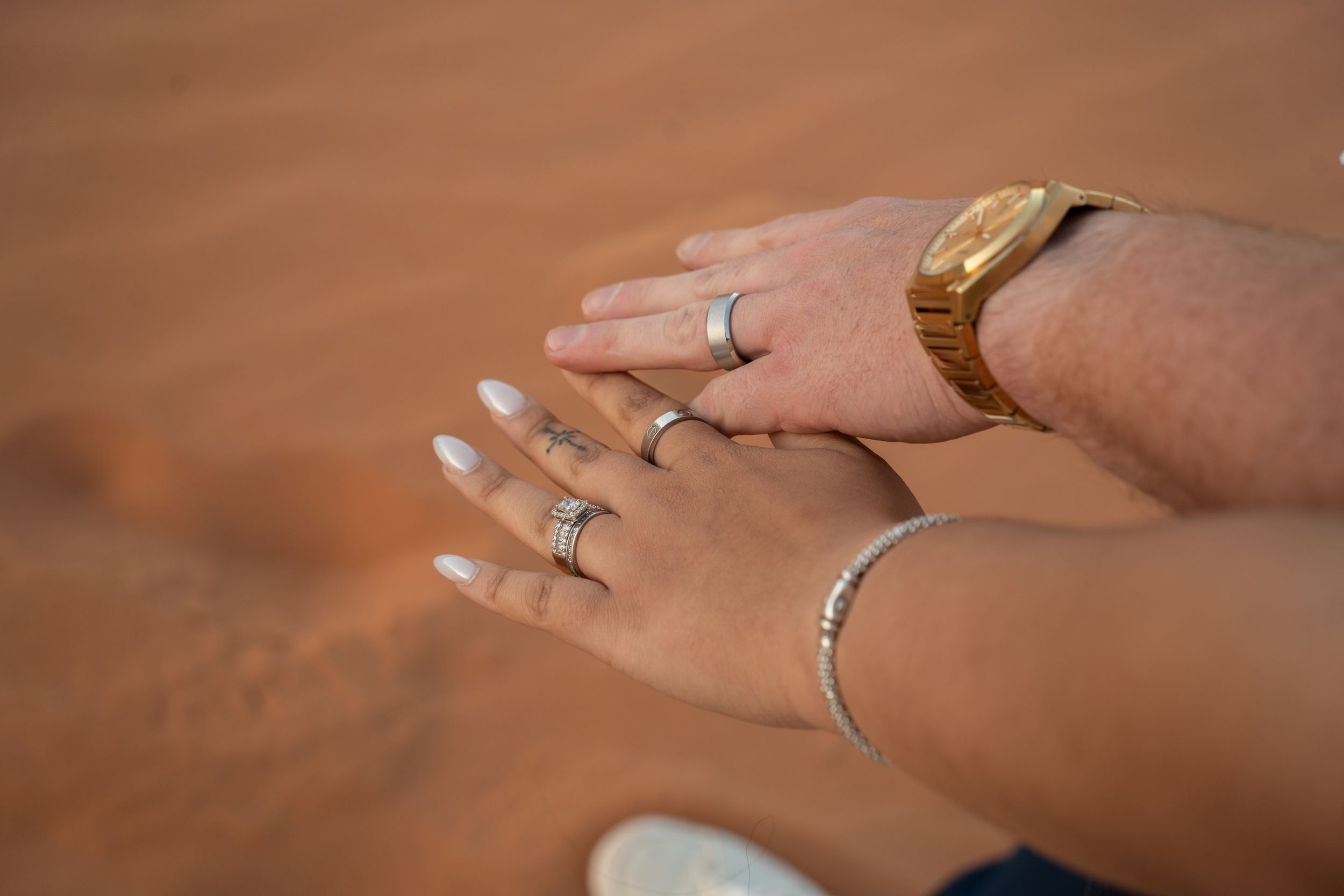
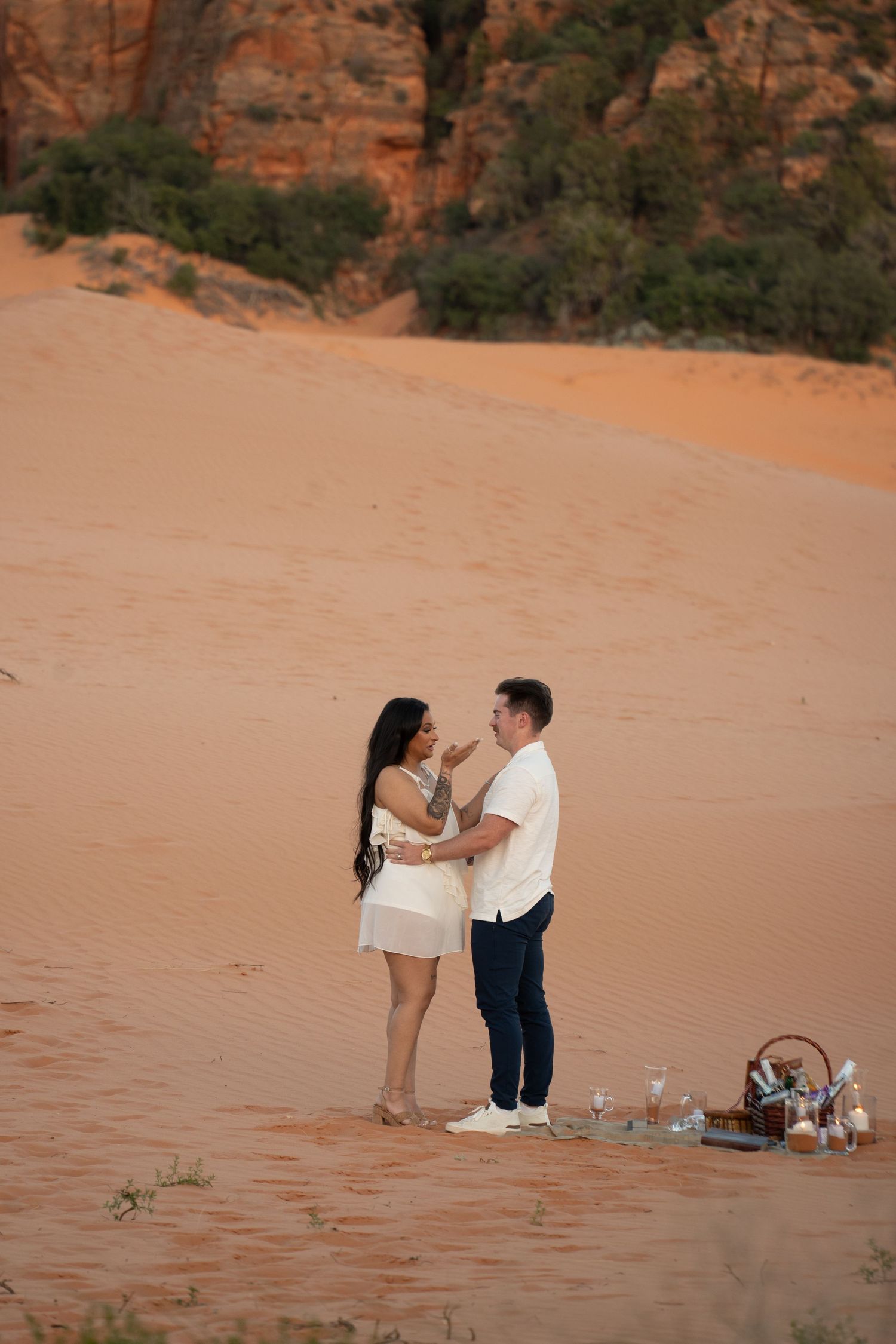
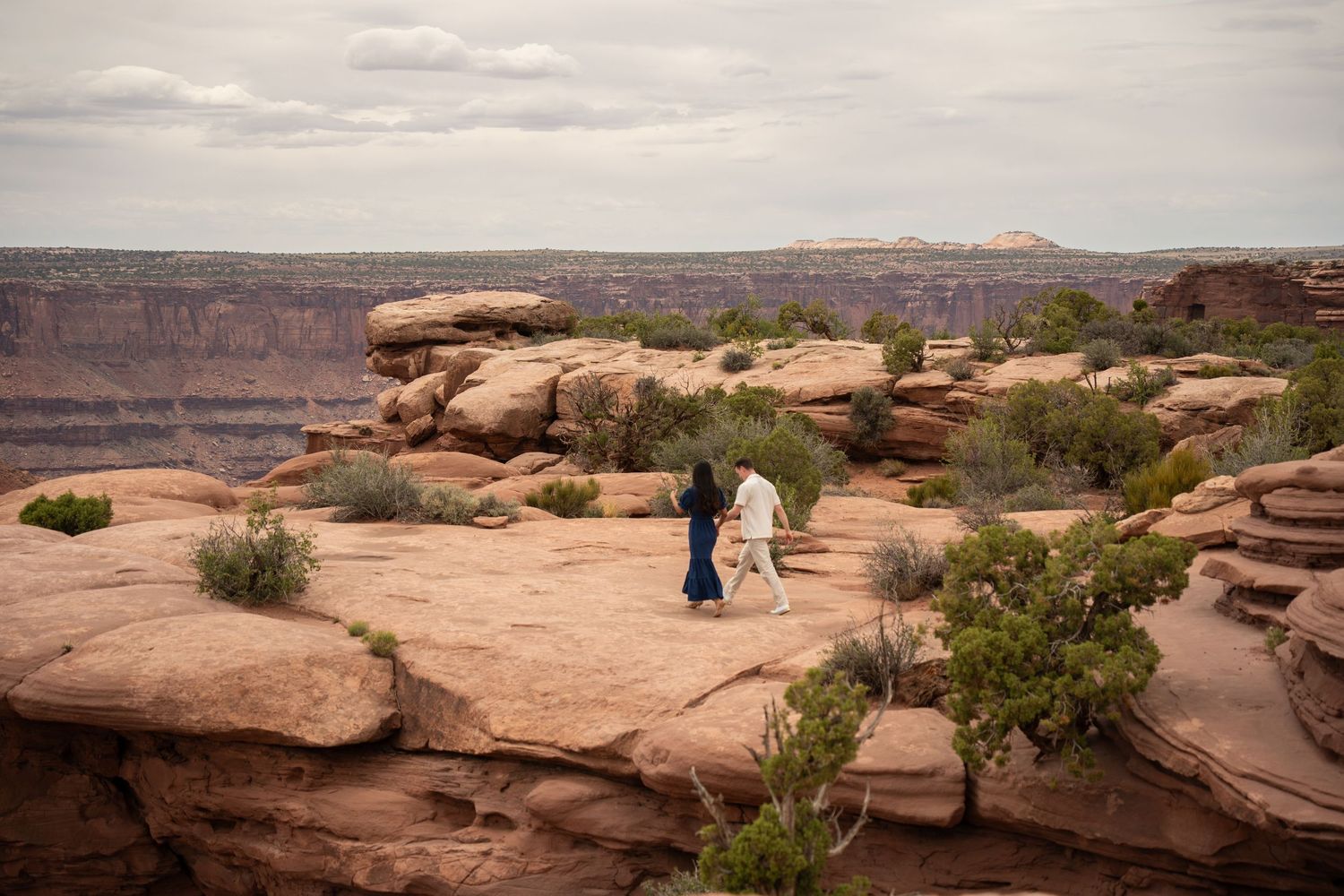
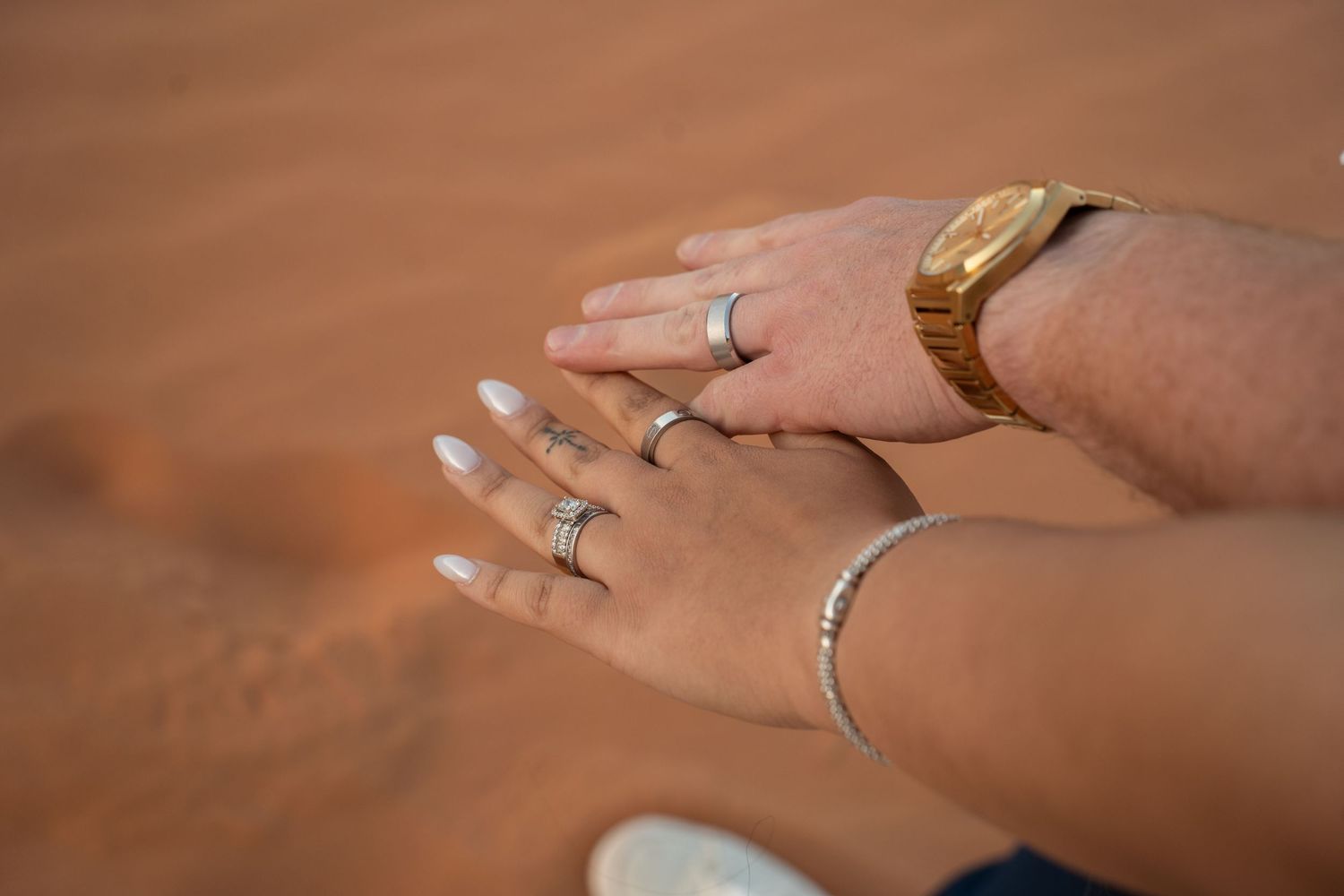
A quick, upfront note: I haven't photographed an elopement inside Zion National Park yet, so you won't find a gallery of Zion wedding photos on this page. What you will find is everything I've researched about permits, ceremony sites, and logistics for eloping here, useful whether you book me or someone else. The image above is from a Coral Pink Sand Dunes shoot near Kanab, a different southern Utah location with a similar red-desert look, clearly labeled rather than passed off as Zion.
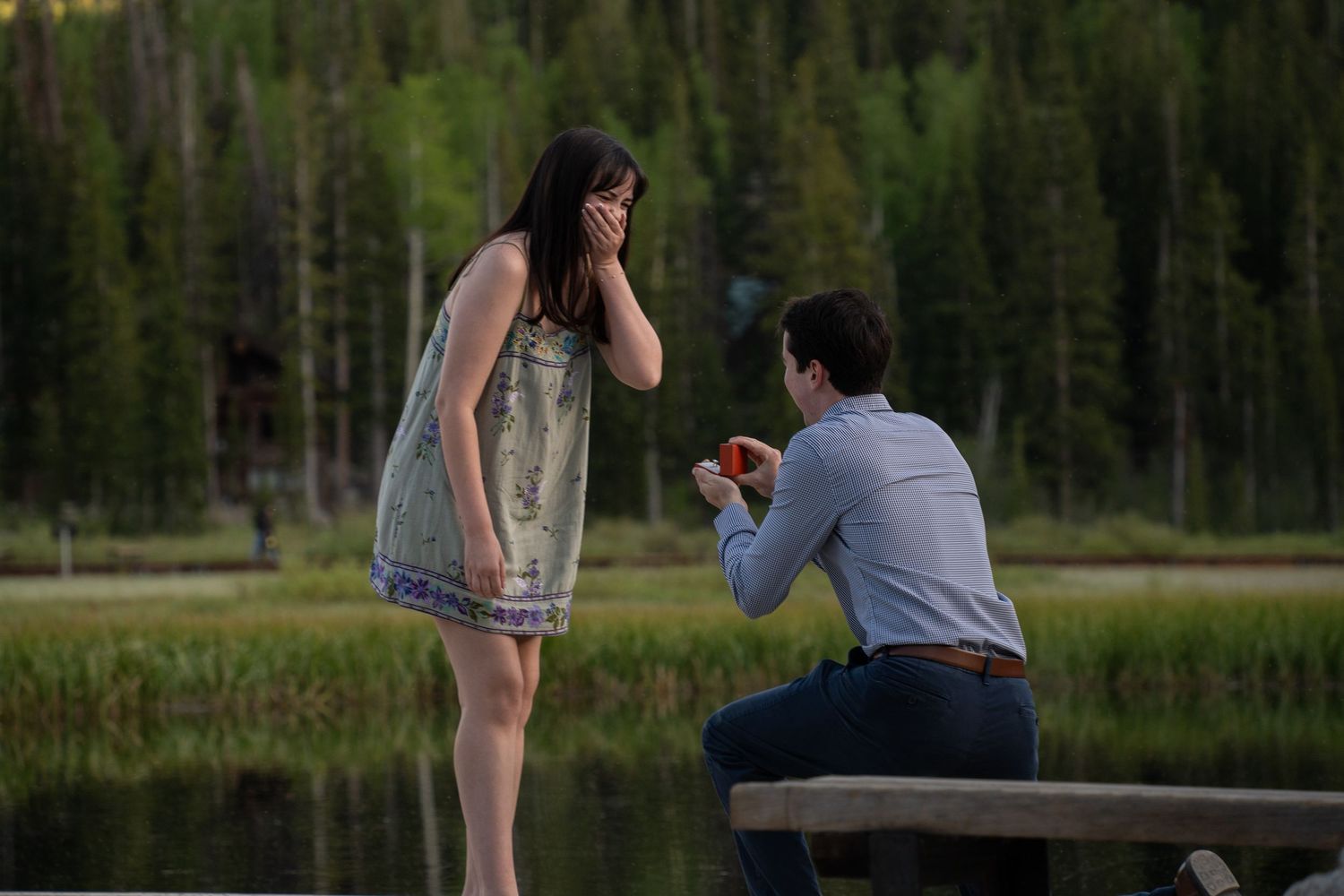
That said, if a Zion elopement is what you're picturing, I'd love to be the one to close that gap with a gallery of my own. I also offer Zion proposal photography, and I'm actively planning my first elopement session inside the park.
TL;DR
A Special Use Wedding Permit ($100, includes two hours of site access, applied for at least three weeks ahead) is required for any ceremony.
Ceremonies are limited to six designated sites, plus a $35 per-vehicle park entrance fee.
Utah marriage licenses come from any county clerk (Washington or Kane County covers Zion) and stay valid for about 32 days.
Proposals and photo sessions don't need a permit, only ceremonies do.
Required government fees run about $185 total before photography, travel, or lodging.
Elopement packages start at $3,100, separate from anything paid to the park directly.
Why Zion Is One of the Best Places to Elope in Utah
Zion National Park sits in southwestern Utah, and nothing else in the state quite matches its scale. The main canyon's sandstone walls rise as much as 2,000 feet straight up from the floor, with the Virgin River cutting through the bottom and hanging gardens clinging to the cliff faces in places. Where Dead Horse Point and Canyonlands give you a wide, sweeping view down into a canyon, Zion puts you inside one: walls on both sides, river underfoot, and a sense of scale that's hard to describe until you're standing in it.
If you want your elopement to feel like the start of an adventure rather than a backdrop, Zion delivers that better than almost anywhere else in the National Park System.
Picture the actual moment: canyon walls closing in on either side, cottonwood leaves moving overhead, the sound of the Virgin River underneath your vows instead of a string quartet. That's not a stretch here. That's a Tuesday morning at Temple of Sinawava if you time it right, or a quiet weekday sunset out at Timber Creek Overlook with nobody but you two and the person marrying you.
Zion also solves a problem a lot of elopement locations create: it doesn't force you to choose between drama and access. You don't need to be a serious backcountry hiker to stand somewhere spectacular here. Two of the six ceremony sites sit a short, flat walk from a shuttle stop or parking area, and even the most remote one, Timber Creek Overlook, is a brief stroll from the car. The park hands you towering red rock and turns it into something you can stand in front of on your wedding day, not just admire from a viewpoint a mile away.
Tell Me Your Dates and Your Vision
Which of the six sites is calling your name, how big your group is, and when you're picturing it. Send me that much and I'll start building your day around it.
The Challenge of Planning a Zion Elopement From Out of State
Here's what stresses couples out about a Zion elopement: it isn't the vows, it's everything standing between here and there. A federal permit application with a three-week floor and a non-refundable fee. Six sites you've never stood in, each with its own crowd pattern, light, and access rules. A shuttle system that runs on its own seasonal calendar and won't let you drive your own car to half the sites for eight months of the year. That's a lot of moving pieces to sort out sight unseen, for a day you only get to plan once.
Get any one of those pieces wrong and you'll pay for it: a permit filed too late gets you bumped to a different date. A site picked off a single Instagram photo turns out to be the busiest stop on the shuttle line at the exact hour you booked. Gear built for a private backyard ceremony doesn't fit on a public shuttle with no cargo space. None of that is fixable once you've landed with three days in Utah and a flight home already booked.
I'll say this plainly: I don't have a Zion gallery to point you to yet. What I do have is every hour I've put into researching this park's permit process, its shuttle rules, and what each of the six sites offers, the same depth of planning I bring to every other Utah elopement I book. You don't need to become a Zion expert before your trip. You need someone who's already done that work, willing to build your first Zion gallery alongside you instead of asking you to take a chance on a photographer's tenth version of it.
The Six Zion Ceremony Sites
Zion allows ceremonies at six designated sites, and nowhere else in the park. Here's the full depth on each one: what it looks like, how you get there, how busy it runs, and the best light for your ceremony hour.
Temple of Sinawava: Maximum Canyon Drama
Temple of Sinawava sits at the very top of Zion Canyon Scenic Drive, an amphitheater-like alcove where the canyon walls close in around you almost completely. It's also the trailhead for the Narrows, so you'll share the space with hikers gearing up to wade the river, not casual sightseers passing through.
Getting there is a flat, paved walk along the Riverside Walk from the shuttle stop, easy enough for guests in dress shoes or anyone who isn't up for much of a hike. During shuttle season this site is shuttle-only; no private vehicles reach it while the shuttle is running. Because it sits at the last stop on the line, mid-morning after the earliest Narrows crowd has already headed upriver can feel quieter than you'd expect for one of the park's most photographed spots.
Best light: the alcove's high walls block direct sun for a good stretch of the day, which means soft, even light rather than harsh midday contrast, a solid advantage if your ceremony window lands mid-day instead of golden hour.
Access: Flat, paved Riverside Walk from the shuttle stop; shuttle-only in season.
Crowd pattern: Busiest early morning with Narrows hikers; mid-morning to midday often quieter.
Best light: Soft and even most of the day, thanks to the alcove's tall walls.
Good fit for: Couples who want the single most dramatic canyon backdrop in the park.
Menu Falls: A Quick, Easy Stop With a Built-In Backdrop
Menu Falls is a small waterfall just off Zion Canyon Scenic Drive, reached by a short, easy paved path from the nearest pullout. It's a spot most visitors glance at from the road and keep driving past, which keeps it quieter than the marquee stops on this list.
This is the site to pick if you want a ceremony without any hike at all, or if your group includes guests who can't manage uneven terrain. Filtered light through the cottonwoods overhead gives you a soft, dappled look rather than direct sun, flattering for a midday ceremony window.
Access: Short, easy paved path from a roadside pullout; shuttle-only in season.
Crowd pattern: Light; most visitors treat it as a quick roadside stop, not a destination.
Best light: Filtered and soft under the cottonwood canopy.
Good fit for: Small groups, guests with mobility needs, or a low-key midday ceremony.
Zion Lodge Lawn: Zero Hiking, Full Canyon Views
The grassy lawn at Zion Lodge sits right in the heart of the main canyon, with red rock walls framing the background on multiple sides. Because it's lodge property with a shuttle stop, a dining terrace, and regular guest foot traffic nearby, this is the site with the most ambient activity around it, though the lawn itself has enough room to feel set apart from the walkway.
If you're staying at Zion Lodge, this is about as convenient as a ceremony site gets: you can walk out the door to your own wedding. For everyone else, it's a shuttle stop away, no hiking required at all.
Access: Steps from the Zion Lodge shuttle stop; drive-in access for overnight lodge guests.
Crowd pattern: The most ambient foot traffic of the six sites, given the lodge amenities nearby.
Best light: Open canyon views most of the day; late afternoon warms the surrounding walls.
Good fit for: Larger groups, guests who can't hike, or anyone staying at the lodge itself.
Nature Center North Lawn: Quiet and Shaded
Tucked near the Zion Human History Museum area close to the canyon junction, the Nature Center North Lawn is a more sheltered, tree-shaded spot than the lodge lawn just up the road. Mature trees offer plenty of shade, worth knowing if your ceremony date falls somewhere hot on the calendar below.
Its location near the visitor center and museum makes it an easy option for a family-friendly ceremony: an older relative or a young kid in your wedding party can get here from parking with a short walk, no strenuous hike involved.
Access: Short walk from the museum/visitor center area; shuttle-only in season.
Crowd pattern: Quieter and more tucked away than the lodge lawn nearby.
Best light: Dappled shade most of the day, useful for a hot-season ceremony.
Good fit for: Family groups, older guests, or anyone wanting shade over sun.
South Campground Amphitheater: Easiest Access From Town
South Campground Amphitheater sits inside the South Campground near the park's south entrance, an actual amphitheater-style space originally built for ranger programs, complete with tiered stone seating if you want somewhere for guests to sit.
This is the site with the simplest logistics on the whole list: it's close enough to Springdale to reach on foot, so if your date falls during shuttle season and you'd rather sidestep shuttle timing altogether, this solves that problem without giving up canyon scenery.
Access: Walkable from Springdale; no shuttle required, any time of year.
Crowd pattern: Moderate; a working campground with its own regular activity.
Best light: Good in early morning and late afternoon, with canyon walls visible from the seating area.
Good fit for: Guests staying in Springdale, larger groups, anyone who wants built-in seating.
Timber Creek Overlook: Total Privacy, Sweeping Views
Timber Creek Overlook sits out on Kolob Terrace Road, well away from the main canyon, with sweeping panoramic views that trade Zion's closed-in drama for wide-open scale. Because Kolob Terrace Road isn't shuttle-served, you drive yourselves the entire way, no shuttle restriction ever applies here, even at the height of shuttle season.
It's the most remote of the six sites, reached by a short, easy walk from a small parking area to the overlook itself. That same distance from the main canyon is also why it's the quietest: expect the fewest other visitors passing through during your ceremony window of anywhere on this list.
Access: Drive-yourself via Kolob Terrace Road, year-round; short walk from parking to the overlook.
Crowd pattern: The lightest of the six sites, given the distance from the main canyon.
Best light: Wide open all day; sunset stretches the panoramic view into deep orange.
Good fit for: Couples who want total privacy and don't mind skipping the shuttle entirely.
Making Your Zion Elopement a Full Adventure Day
Zion rewards couples who build a whole day around their ceremony, not just an hour at one site. Here's how to make the rest of your day match the ambition of the vows themselves.
Wade part of the Narrows
The Narrows, where the canyon walls close in and the trail is the riverbed itself, starts right at the Temple of Sinawava, one of the six designated ceremony sites. The standard bottom-up route needs no permit at all, just sturdy water shoes and a willingness to get wet; only the top-down, backcountry version of the hike requires its own separate wilderness permit. Water conditions swing hard by season: spring snowmelt runs the river high, fast, and cold, sometimes cold enough that the Park Service discourages wading altogether, while summer brings warmer, typically more manageable flow, with monsoon season (roughly July through September) adding flash-flood risk that can close the canyon on short notice. A handful of outfitters in Springdale rent water shoes, dry pants, and walking sticks if you're wading it the same day as your ceremony and don't want soaked dress shoes for the reception photos after.
Try for Angels Landing (permit required)
Angels Landing is one of the most famous hikes in the park, but it now runs on a separate lottery permit system through the National Park Service, unrelated to your wedding permit. There's a seasonal advance lottery and a day-before lottery, so if sweeping canyon views from that specific summit are non-negotiable for your trip, apply for both windows rather than counting on just one. The final half mile uses fixed chains along a narrow ridge with steep drop-offs on both sides, not a stretch to attempt if anyone in your party is uneasy with heights or exposure.
Drive the Scenic Drive's overlooks
Beyond the six ceremony sites themselves, Zion Canyon Scenic Drive strings together several roadside overlooks worth building into your day: Court of the Patriarchs, a pullout with a view of three connected sandstone peaks, and Big Bend, where the road curves along the river with the canyon walls at their most vertical. Neither requires a hike, and both make a natural stop on the shuttle ride to or from your ceremony site.
Stay for the stars
Zion is an International Dark Sky Park. If your ceremony lands in the late afternoon or at sunset, staying into the evening for stargazing is one of the best ways to stretch the day past the ceremony itself, especially from a site like Timber Creek Overlook, already away from the main canyon's ambient light.
Which Zion Ceremony Site Fits You?
Six sites is still a lot to compare from your couch. Here's the short version: match your priority in the left column to the site that delivers it.
If you want…
Best site
Group feel
Shuttle required?
Maximum canyon drama, an echoing alcove
Temple of Sinawava
Moderate group, open space
Yes, in season
A quick, easy stop with a waterfall backdrop
Menu Falls
Small to medium
Yes, in season
Zero hiking, lodge comfort nearby
Zion Lodge Lawn
Large-group friendly
Yes, unless you're an overnight lodge guest
A quieter, shaded lawn, family-friendly
Nature Center North Lawn
Small to medium
Yes, in season
Easiest access from Springdale, built-in seating
South Campground Amphitheater
Large-group friendly
No, walkable from town
Total privacy, sweeping panoramic views
Timber Creek Overlook
Small, intimate
No, drive yourself year-round
Still deciding? A pattern worth knowing: couples who want the single most photographed backdrop in the park usually land on Temple of Sinawava. Couples traveling with an older relative or anyone who can't manage much of a hike tend to pick Zion Lodge Lawn or Menu Falls. And couples who want the ceremony itself to feel completely private, just the two of you and whoever's marrying you, almost always end up at Timber Creek Overlook once they realize it skips the shuttle entirely.
Best Time of Year to Elope at Zion, Month by Month
Zion's canyon floor runs noticeably cooler than the exposed mesas at Moab or Dead Horse Point, but the shuttle calendar matters here in a way it doesn't anywhere else in the state. Here's how each month plays out.
January: Highs around 54°F, lows near 30°F. The shuttle is closed for the season, so Zion Canyon Scenic Drive is open to private vehicles, meaning you can drive straight to Temple of Sinawava, Menu Falls, Zion Lodge Lawn, or the Nature Center lawn without waiting on a shuttle at all. Quiet trails, and a decent chance of snow dusting the red rock.
February: Highs near 58°F, lows around 34°F. Still shuttle-free most of the month, still cold at night. One of the emptiest windows on the calendar if privacy matters more than mild weather.
March: Highs climb to about 66°F. The shuttle typically resumes sometime this month, so check the current season dates before you plan on driving yourselves to a scenic-drive site. Spring break crowds start building toward the end of the month.
April: Highs around 73°F, comfortable for a ceremony at nearly any hour. Wildflowers start showing up on the canyon floor, and snowmelt runs the Virgin River fuller and louder, dramatic for photos but cold and fast for wading the Narrows. Spring break crowds peak, so an early-morning ceremony slot beats midday at the busier sites.
May: Highs push into the low 80s. Comfortable for most of the day if you avoid the early afternoon. Narrows flow typically starts easing later in the month, though conditions vary year to year and always deserve a check before you plan to wade it.
June: Highs average around 95°F. This is where sunrise or the last two hours before sunset stop being a preference and start being a requirement, especially at fully exposed sites like Timber Creek Overlook.
July: The hottest month, highs averaging 100°F. Monsoon season begins, bringing dramatic afternoon skies along with serious flash-flood risk in narrow terrain, worth building weather flexibility into your day regardless of which site you've chosen.
August: Highs near 98°F, still deep in monsoon season. Same rules as July: plan around the heat and keep an eye on storm timing, especially if the Narrows is part of your day.
September: Highs drop to a far more comfortable 91°F early in the month and keep falling as it goes. Crowds ease noticeably after Labor Day, and monsoon activity typically starts to taper by the back half of the month.
October: Highs around 78°F, with cottonwoods along the Virgin River starting to turn gold. Widely considered one of the best all-around months here: comfortable temperatures, thinner crowds than spring, and excellent light.
November: Highs near 64°F. The shuttle season typically winds down by late in the month, worth checking the current schedule if your date falls right at that transition, since it changes which sites you can drive yourself to.
December: Highs around 53°F, lows near freezing. Shuttle service drops to a brief holiday-week run from December 26 through January 2, otherwise the scenic drive is open to private vehicles the rest of the month. One of the quietest, most dramatic windows if you don't mind the cold.
How to Plan Your Zion Elopement: My 3-Step Process
Planning a Zion elopement from out of state doesn't have to mean months of guesswork. Here's how it works once you reach out, broken into the three decisions that matter most: where, when, and how the permit paperwork gets handled.
Step 1
Tell Me Your Site, Date, and Group Size
Once you know your travel window, that's the only piece I need to start. Tell me which of the six sites is calling to you, how many guests are coming, and whether shuttle logistics or driving yourselves matters more to your plan. I'll flag anything about your date, holiday blackouts, peak crowds, monsoon timing, worth knowing before you lock it in.
Step 2
We Handle the Permit Timeline Together
The $100 application needs to go in at least three weeks ahead, with a second-choice site listed in case your first pick already has a permit issued for that date. I'll walk you through what the application asks for, so it goes in complete the first time instead of bouncing back for missing details.
Step 3
We Build the Rest of Your Day Around It
Your permit buys you a two-hour window, not the whole day. We work out what happens before and after: a Narrows wade, a scenic-drive overlook stop, portraits once your ceremony time is up. You show up ready for your vows. I handle the schedule around them.
What to Expect on Your Zion Elopement Day
Here's the full timeline of a Zion elopement day, start to finish, so nothing on the actual day catches you off guard.
HOUR −1
Scouting Your Site That Morning
I arrive at your site ahead of you to check its condition that day: how many other visitors are around, where the light's falling, and which angle keeps the crowd out of frame. Since none of the six sites clear out for your permit, this is where I find the best version of a space you're sharing with the public.
ARRIVAL
You and Your Guests Arrive
Depending on your site, that's a shuttle ride in from Springdale or a drive straight there. Your officiant meets you, and if a ranger happens to check in on your permit, which is uncommon but not impossible, everything's already in order.
THE CEREMONY
Your Vows, in Public but Not Performative
This is the part worth naming plainly: other hikers and sightseers may pass through or pause to watch. Most people slow down, stay quiet, and give you space without needing to be asked. I position myself to keep the moment feeling like yours, without pretending the site is private when it isn't.
AFTER
Portraits With Whatever Time You Have Left
Once the ceremony itself is done, we use the rest of your two-hour window, or a nearby spot that doesn't need a permit, for portraits: the two of you, the ring, the canyon behind you. If you've built a Narrows wade or a scenic overlook into the day, this is when we head there next.
Getting to Zion, Where to Stay & Eat, and What to Budget
Getting There
Zion doesn't have its own major commercial airport, so most out-of-state couples fly into a nearby city and drive in. Harry Reid International Airport in Las Vegas is the closest major hub, about 170 miles away. Salt Lake City International Airport is farther, about 300 miles. Two smaller regional airports sit much closer: St. George Regional Airport, about 49 miles from the park with flights from Salt Lake City and Denver on smaller carriers, and Cedar City Regional Airport, about 60 miles away with service from Salt Lake City. Regional flight schedules change often, so it's worth checking current routes directly rather than assuming last year's flights still run.
However you get here, build in buffer time. A ceremony with a fixed two-hour permit window isn't something you want to gamble on a same-day flight connection; plan at least one full night in the area before your ceremony date.
Where to Stay
Springdale sits right at the park's south entrance and has the widest range of lodging within walking distance of the gate, from budget motels to more upscale properties like Cliffrose Springdale and Cable Mountain Lodge, the latter close enough to the entrance to offer shuttle access straight into the park. Chain options like Hampton Inn & Suites and Hyatt Place sit a mile or two out and put you within reach of restaurants on foot. Inside the park, Zion Lodge is the only in-park lodging option: 76 rooms, 6 suites, and 40 historic cabins, and it's also the only place inside the park boundary to buy food. If your ceremony site is Zion Lodge Lawn itself, staying there means walking out your door to your own wedding, though it books up well ahead, especially for peak season.
Where to Eat
Inside the park, Zion Lodge's Red Rock Grill is the only sit-down option, serving American and Southwestern food year-round, with the seasonal Castle Dome Café and Beer Garden open spring through fall for something quicker. In Springdale, options range from casual to a full sit-down meal; Oscar's is a well-known local choice if you want a sit-down restaurant dinner to celebrate right after your ceremony rather than fast casual. Book ahead if you're planning a celebration meal the same evening, small-town restaurants fill up fast on weekend nights, especially during peak season.
Budget Considerations
Beyond the photography itself, plan for: the $100 non-refundable permit application fee (plus $50 for each hour beyond the included two, if you want a longer window); the park entrance fee ($35 per vehicle, or $20 per person if anyone's arriving on foot, by bike, or via shuttle without a car, kids 15 and under free); a $100 non-resident surcharge for any guest 16 or older who isn't a U.S. resident; a Utah marriage license (around $50 from either Washington or Kane County); and lodging, which swings widely by season, expect rates well above a quiet winter weeknight during summer or a holiday week. None of that includes photography or travel, and photography is the one line item I can give you an exact number on before you book anything.
The Permit Deadline Is the Only Clock That Matters Here
Three weeks is the floor, not a comfortable margin. If your Zion date is anywhere close to set, the application timeline is already running whether you've started it or not.
Here's the section most guides bury in fine print halfway down the page. The short version: every one of the six sites requires the same $100 Special Use Wedding Permit, capped park-wide at 100 guests, with exact site capacity confirmed as part of your application. What differs from site to site is how you get there.
Site
Group cap
Access note
Temple of Sinawava
Confirmed at application (park-wide cap: 100)
Shuttle-only in season; trailhead for the Narrows
Menu Falls
Confirmed at application (park-wide cap: 100)
Shuttle-only in season; short paved path from the road
Zion Lodge Lawn
Confirmed at application (park-wide cap: 100)
Shuttle-only in season, or drive if an overnight lodge guest
Nature Center North Lawn
Confirmed at application (park-wide cap: 100)
Shuttle-only in season; near the museum/visitor center area
South Campground Amphitheater
Confirmed at application (park-wide cap: 100)
Walkable from Springdale; no shuttle needed, any season
Timber Creek Overlook
Confirmed at application (park-wide cap: 100)
Kolob Terrace Road; drive-yourself year-round, no shuttle restriction
The pattern worth remembering: two of the six sites, South Campground Amphitheater and Timber Creek Overlook, never require the shuttle, which makes them the simplest logistically if your date falls during peak shuttle season and you want to control your own timing. The other four run on the shuttle's schedule whenever it's operating, generally March through November, so build that into your planning if your date lands in that window. Fees and shuttle schedules change over time, so double-check current details on nps.gov before you travel, and I'm always glad to help you sort out the current rules for your exact date.
Getting Your Utah Marriage License
Utah marriage licenses are issued by any county clerk in the state, with no waiting period, so you can pick yours up wherever is convenient, even in Salt Lake City the day before you drive south, and use it at Zion, which straddles Washington and Kane counties. Once it's in hand, a Utah marriage license is valid for a limited window, so don't buy it too far ahead of your ceremony date or you'll need a new one.
What to Know Before Your Zion Elopement
Photography-only sessions skip the permit
Worth repeating: if there's no ceremony, there's no wedding permit to worry about. This makes Zion an easy option for a proposal or an anniversary session even if a full elopement ceremony here isn't in the cards yet.
Leave No Trace applies everywhere
As with every national park, pack out what you bring in: no confetti, no tossed flower petals, no decorations left behind. Keep it simple and the park stays beautiful for the next couple.
Most trails are hiking terrain
Outside of the six designated ceremony sites, expect uneven, rocky terrain if you're planning portraits along the Riverside Walk, the lower Narrows, or other main-canyon trails. A block heel, sandal, or sturdy flat will serve you much better than a stiletto.
Confirm current rules directly with the park
Park policies on pets, drones, and amplified sound can change, and I'd rather point you to the park directly for anything time-sensitive than quote you a rule that's since been updated. If you book with me, confirming these details before your date is part of what I handle.
Why Elope in Utah Without a Big Wedding?
An elopement isn't a smaller version of a wedding. It's a different kind of day entirely. Instead of splitting your attention between a hundred guests and your partner, you get to be fully present for the moment you're there for. Zion, in particular, doesn't ask you to dress anything up. The canyon does the work. You just have to show up, be open with each other, and let the scale of the place remind you what you're promising.
Photographer
Your Zion Elopement Photographer
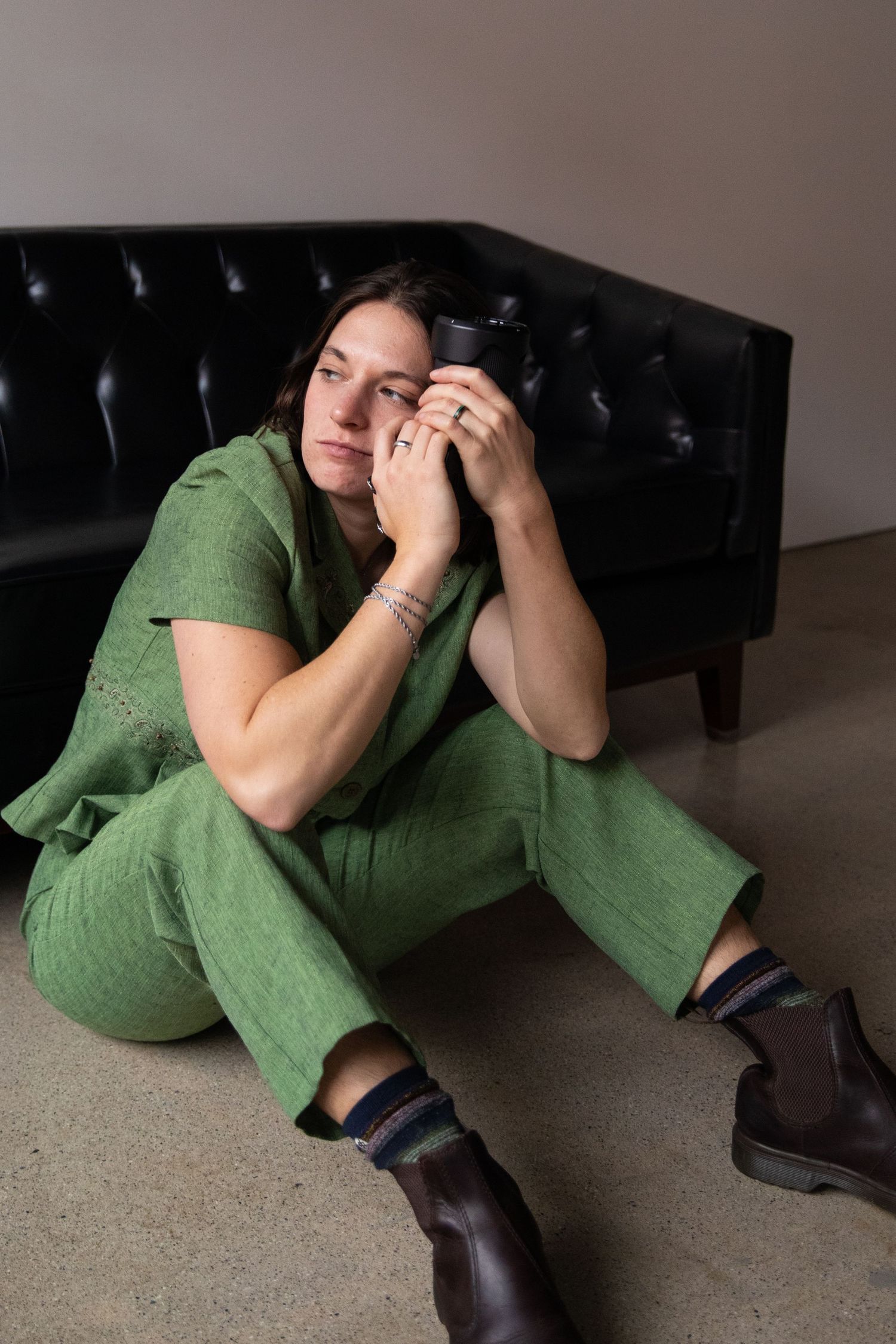
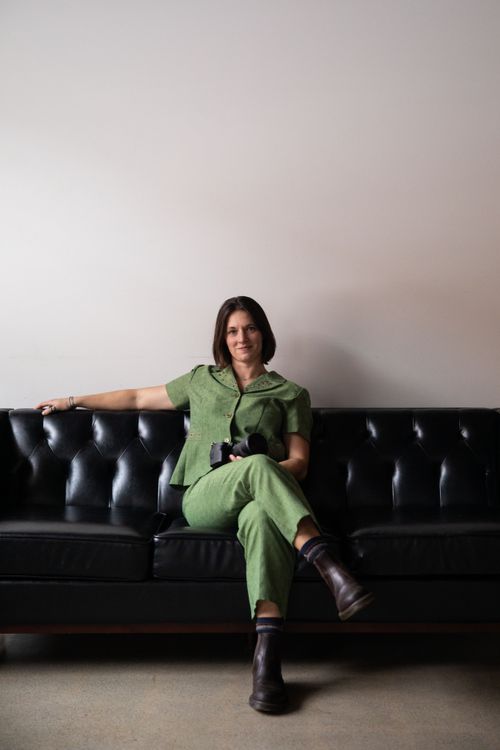
I'm Jade, a Utah-based elopement photographer, and I specialize in adventure elopements across the state's national parks and canyon country. I don't have a Zion gallery to show you yet. I'd rather say so plainly than pretend otherwise, but I've spent years photographing Utah's red rock, and Zion is high on my list to shoot next. I know all six ceremony sites, the shuttle rules that trip people up, and how to work a wedding day around a permit that only buys you two hours.
Elopement photography starts at $3,100, with travel added since Zion sits well outside the standard Wasatch Front radius I quote from. If you book your Zion elopement or Zion proposal with me, you'll be helping build that gallery, and you'll get the same permitting help, planning support, and candid, adventure-forward style I use everywhere else in Utah. For the full price breakdown, see every Utah elopement package.
Ready to Start Planning?
Tell me your dates and which of the six ceremony sites is calling your name, and I'll help you build a day that's completely, unapologetically yours.
Frequently Asked Questions About Eloping at Zion National Park
Do I need a permit to elope at Zion National Park, and does it cover our whole day?
Only if you’re holding an actual ceremony: proposals and standard photo sessions don’t need it. Here’s a detail that catches people off guard: the $100 application fee buys you two hours of ceremony and photography access at your site, not the whole day. Extra time runs $50 an hour on top of that. If you’re picturing a longer celebration built around the vows themselves, budget for the extra hour or two up front instead of finding out about it at the last minute.
Where can we hold our ceremony, and can we pick a different one of the six sites on the day itself?
No, and this trips people up: your site is locked in when your application is approved, not something you can swap for a different one of the six sites once you’ve arrived. Pick with confidence before you apply. If you’re torn between two, list a second choice on your application in case your first pick already has a permit issued for that date.
How far in advance do we need to apply for a Zion wedding permit?
Three weeks is the National Park Service’s stated minimum, not a target to aim for: treat it as a floor. Applications go directly to the park’s commercial services office by email, and since the $100 fee is non-refundable once it’s submitted, it’s worth having your date and site preference settled before you apply rather than using the application as a placeholder while you’re still deciding. One more wrinkle: some dates, holidays especially, are blocked out entirely and no permits get issued for them, so check that before you build a whole trip around a specific calendar date.
Do we need a marriage license to elope in Utah, and where do we get it?
Yes. Both of you need to appear in person at a county clerk’s office with photo ID, there’s no way to handle it remotely or send one partner alone. Zion straddles Washington and Kane counties, and either clerk’s office works no matter which county your ceremony site sits in. A Utah marriage license is valid for about 32 days from the date it’s issued, plenty of runway if you pick it up a week or two before your ceremony. Just don’t get it months ahead thinking you’re being efficient, or you’ll end up buying a second one.
Can we take proposal or engagement photos at Zion without a permit?
Yes, that requirement is specifically for ceremonies, not photography. One detail to plan around either way: drones are banned throughout Zion, as they are in every unit of the National Park System, so if aerial footage is part of your vision, you’ll need to plan for that outside the park boundary.
How much does it cost to elope at Zion, including a photographer?
Add up the required government fees and you’re looking at roughly $185 before photography, lodging, or travel: the $100 non-refundable permit application, the $35 per-vehicle park entrance fee, and a $50 marriage license. On top of that, my elopement packages start at $3,100, separate from anything you pay the park or the county directly. Non-US-resident guests 16 and older also pay a $100 park surcharge, worth factoring in if you’re flying family in from abroad.
What happens if other visitors are at our ceremony site when we’re trying to say our vows?
They stay, since none of the six sites get cleared out or cordoned off for your permit. Your two-hour window is your right to hold the ceremony there, not exclusive use of the ground. Most passersby slow down, watch quietly, or step aside on their own once they realize what’s happening. Build a few minutes of flexibility into your ceremony start time within that two-hour block instead of planning it down to the minute, since you’re sharing a public space, not renting a private one.
What’s the shuttle situation for our guests if our date falls during shuttle season?
Your guests ride the same public shuttle as every other visitor; there’s no separate wedding-party shuttle or reserved car. Shuttle tickets don’t cost anything extra beyond the park entrance fee, but there’s no cargo space, so anything you’re bringing (an arch, chairs, a speaker) needs to be small enough to carry on with you. If your setup needs more gear than that, choose Timber Creek Overlook or South Campground Amphitheater instead: neither requires the shuttle, so you can drive your own gear straight to the site.
Can we bring our dog to our Zion elopement ceremony?
Not really. Zion doesn’t allow pets on park trails or in the backcountry, with one exception: the paved Pa’rus Trail near the visitor center. None of the six ceremony sites sit on it, so there’s no way to have your dog present at the vows themselves inside the park. If including your dog matters to you, plan a separate photo moment outside the park boundary instead, and confirm current pet rules directly with Zion since policies do get revisited.
What if it rains, snows, or a monsoon storm rolls in on our permitted date?
The park doesn’t reschedule or refund your permit for weather: your date and $100 fee stay fixed once it’s approved. Zion Lodge Lawn and South Campground Amphitheater both have more tree cover than the fully exposed Timber Creek Overlook, worth weighing if your date lands during monsoon season, roughly July through September, when afternoon storms roll through fast. I still show up and shoot through weather that would send another photographer home. A little rain on red rock often photographs better than a cloudless sky, not worse.
Written by
Jade Jarvis
Utah-based wedding, elopement, and proposal photographer since 2025. I've scouted these locations myself, so the advice here comes from firsthand experience, not guesswork.