The short version: here's how to elope at Cedar Breaks National Monument. File a Special Use Permit at least three weeks ahead (it covers your first two hours of processing, plus $50 an hour past that and for a monitor), pick one of five approved overlooks, and pack layers, since mornings run cold even at 10,000 feet in July. A proposal or portrait session without an officiant doesn't need a permit at all. Add a Utah marriage license (same-day, no waiting period, no blood test, from any county clerk) and that's the full checklist before you say your vows against the highest, most dramatic amphitheater in this part of the state.
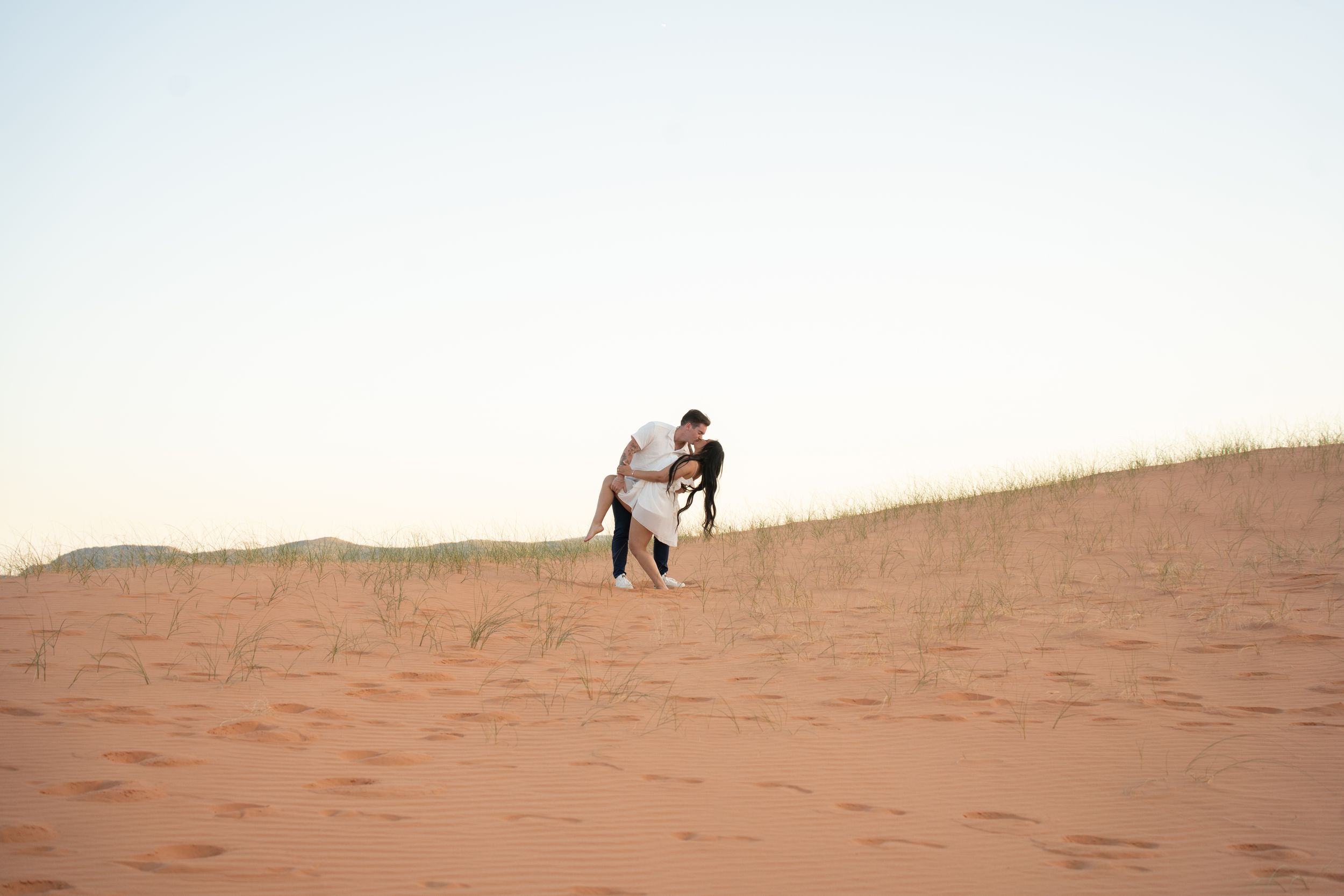
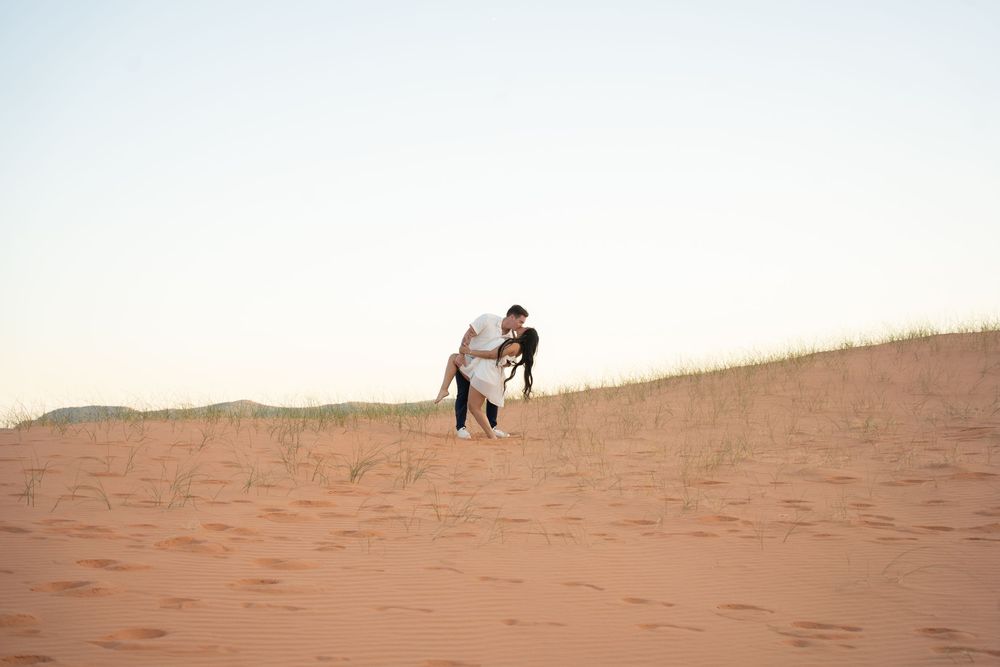
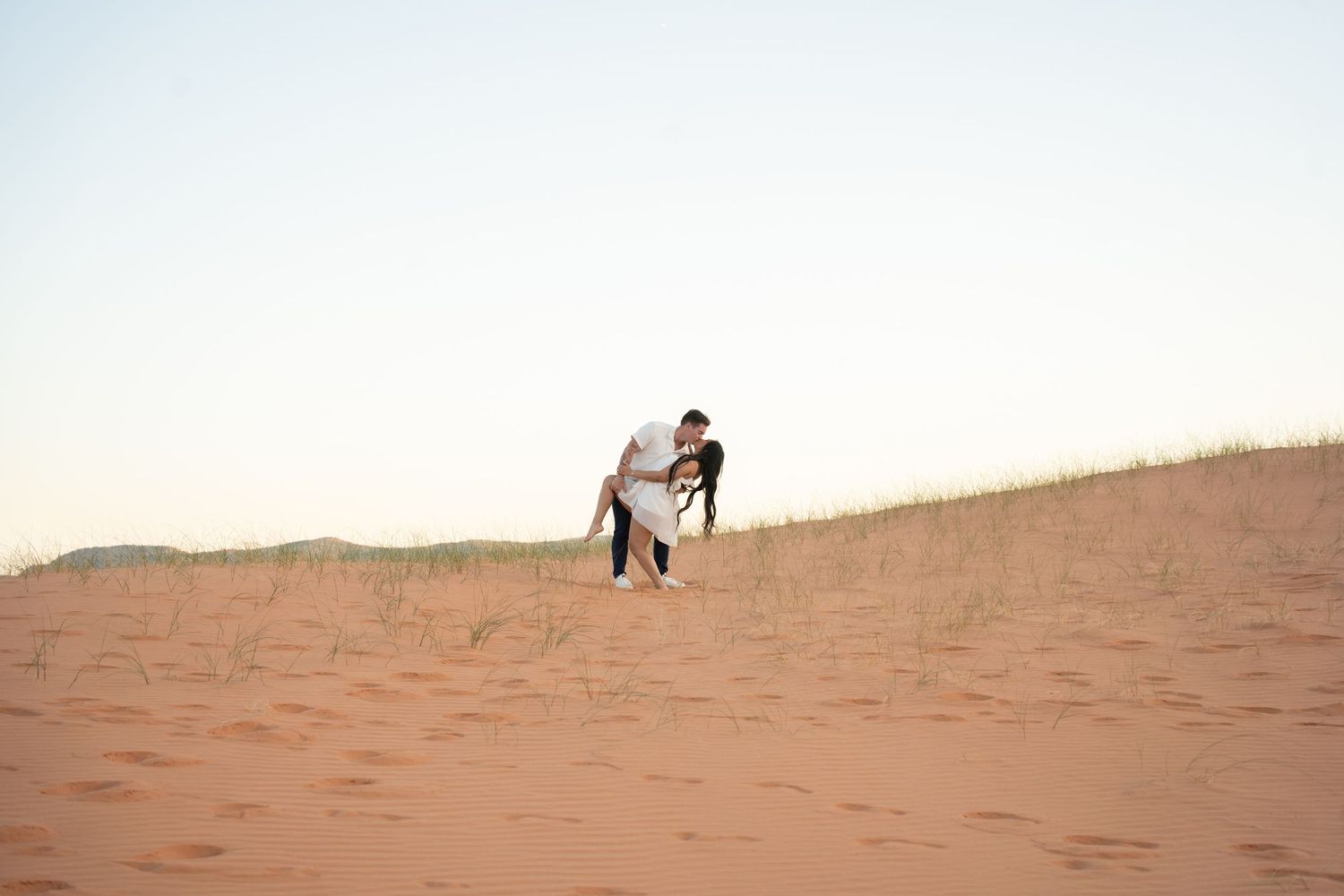
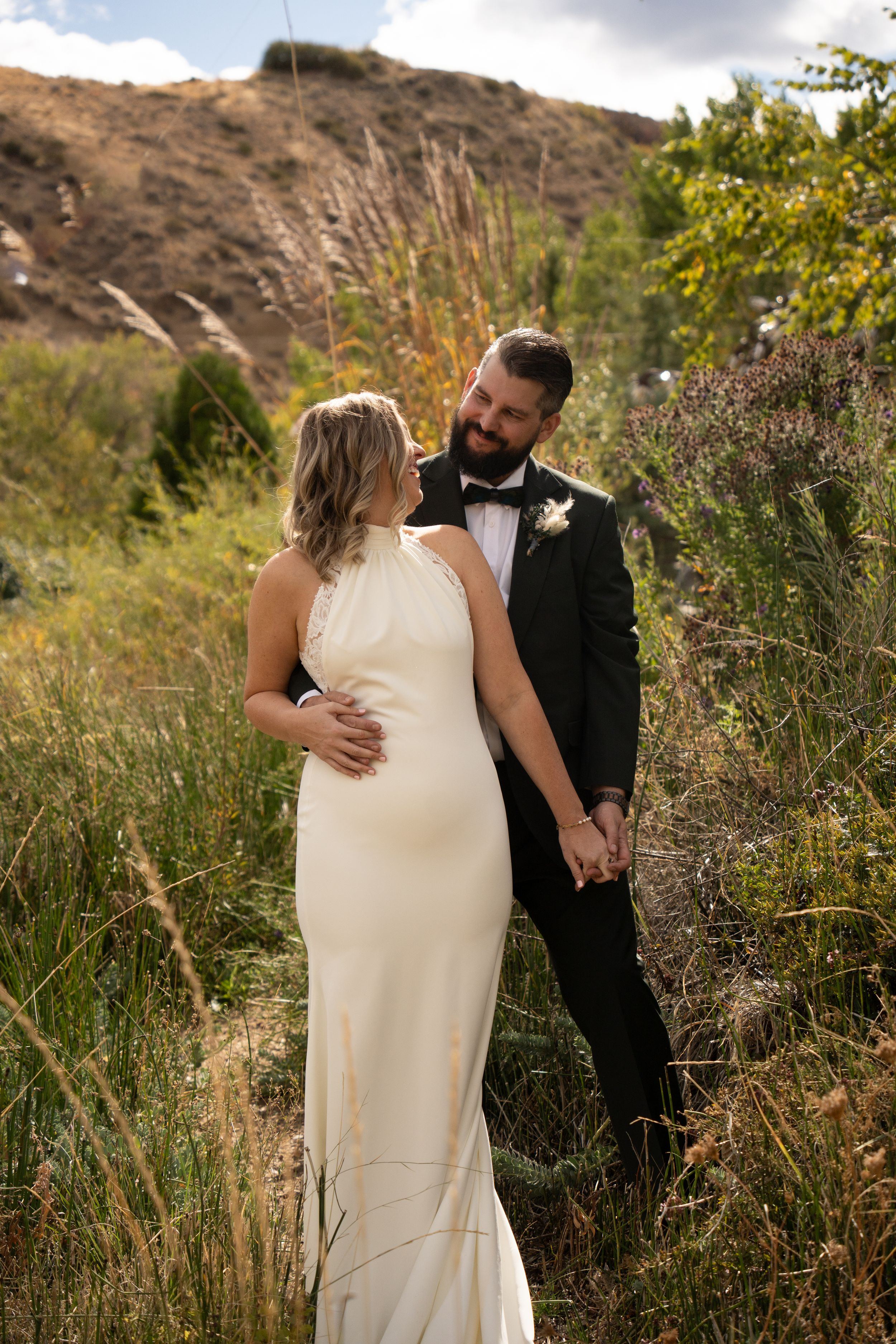
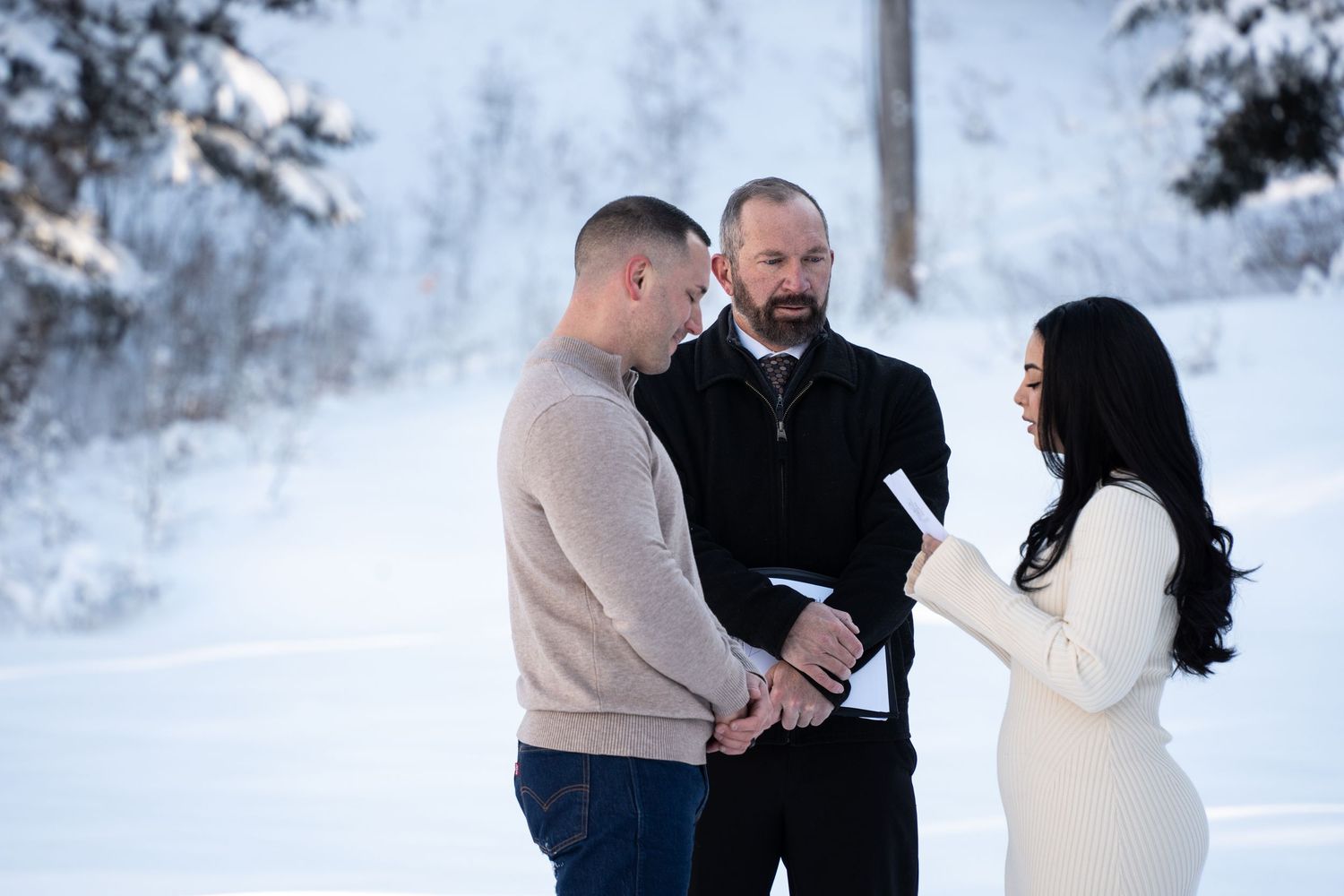
A quick note before we get into it: I haven't photographed an elopement inside Cedar Breaks yet, so you won't find a gallery of Cedar Breaks ceremony photos on this page. The image above is from a shoot at Coral Pink Sand Dunes near Kanab, a different southern Utah location, clearly labeled rather than passed off as Cedar Breaks. Everything else on this page, the permits, the overlooks, the trails, the season window, comes from research done directly with the National Park Service.
If Cedar Breaks is the spot you're picturing, I'd love to be the one to close that gap. My elopement packages start at $3,100, and I'm already planning my first sessions up at 10,000 feet.
TL;DR
A Special Use Permit is required for any ceremony, applied for at least three weeks ahead.
Five overlooks are approved for ceremonies, with a 30-person cap across the whole event.
Chairs aren't permitted at two of the five sites, so check that before you pick one.
SR-148, the scenic drive in, is only open roughly late May through mid-November.
At 10,000 feet, altitude and afternoon weather matter more here than at any other Utah location I shoot.
Photography outside your ceremony (proposals, portraits, engagement sessions) doesn't need this permit at all.
Why Elope at Cedar Breaks National Monument
Cedar Breaks sits at 10,000 feet, the highest-elevation spot in either the Elopements or Proposals side of my work so far. A half-mile-deep amphitheater of red-and-white spires drops away from the rim, with bristlecone pines clinging to the edge and views that stretch toward Bryce Canyon on a clear day.
The elevation changes the whole feel of the day. Instead of red-rock desert, you get alpine air, thin light, and a color palette closer to high country than to Zion or Arches. If you want the alpine version of a Utah elopement instead of another red-rock backdrop, this is the park that gets you there.
It also solves a specific problem for a couple set on a small, quiet ceremony. Unlike Bryce Canyon or Arches, where the best overlooks draw a steady stream of day-trippers, four of Cedar Breaks' five approved ceremony sites cap out at just 10 or 30 guests by design, and the smallest two, Ramparts and Spectra Point, sit further along the rim where casual visitors rarely wander that far. That built-in scarcity is part of what makes an amphitheater this dramatic still feel like it belongs to just the two of you.
It's a warm-season-only location, which cuts both ways. Snow closes the scenic drive for the winter, so a December date isn't on the table here the way it is at lower-elevation parks, which makes timing one of the first decisions on your list. But that same seasonal window is a big part of why late May through mid-November feels earned rather than routine: you're getting married somewhere that's only accessible about half the year.
The amphitheater itself is the same kind of erosion that carved Bryce Canyon's hoodoos further south, layers of the Claron Formation, colored by iron and manganese, worn into spires, columns, and arches over millions of years. Cedar Breaks just does it at a higher, cooler elevation, with a denser stand of trees along the rim instead of Bryce's more exposed desert setting. If you've already toured Bryce and want a version of that same drama with fewer people and a distinctly different feel underfoot, alpine meadow instead of packed viewpoint, this is the park that delivers it.
Tell Me Your Ceremony Date
Give me your dates and your group size, and I'll confirm the road's open, match you to an overlook, and walk you through the permit before you file a single form.
The Challenge With Planning a High-Elevation Elopement From Out of State
Here's what stresses couples out most about Cedar Breaks specifically, more than any other park on this site: almost nothing about it works the way a typical Utah elopement does. The permit process runs on hours, not a flat fee. The road that gets you there closes for half the year on a schedule nobody can pin down far in advance. And the elevation itself, 10,000 feet, is high enough to affect how you feel on your own wedding day if you're not ready for it.
Add up what that costs you if you're figuring it out alone. Hours trying to work out whether your ceremony will run past the permit's built-in 2-hour window, and what happens financially if it does. More hours guessing at whether "late May through mid-November" means your specific date is safe to book non-refundable flights around. A worry, often unspoken until the week of, about whether altitude is going to leave someone in your wedding party lightheaded during the vows. That's a lot of uncertainty for a ceremony you're only getting one shot at.
None of that uncertainty is about the park being difficult. Cedar Breaks is a manageable place to get married, once someone's already walked through the permit paperwork, called the park about the current road status, and figured out which overlook fits a specific guest count. The problem is that most of that information lives across three or four different sources, a fee page here, a seasonal-access press release there, and a permit form that doesn't explain what "monitor" even means until you're already filling it out.
I track SR-148's seasonal status directly through the park rather than guess from a blog post written a few years ago, I build extra time buffer into every Cedar Breaks timeline so the 2-hour permit window doesn't become a surprise fee, and I plan the ceremony itself to sit close to the parking area rather than at the end of a long approach hike, specifically because of the altitude. When you tell me your date and group size, I can tell you in one conversation whether it's realistic, not after you've already booked flights.
You don't need to become a National Park Service permitting expert or a high-altitude physiology expert before your trip. You need one conversation with someone who's already done both.
Best Spots for Your Cedar Breaks Ceremony: 5 Overlooks
Five overlooks are approved for ceremonies, and the group total across your whole event can't exceed 30 people. Here's the full depth on each: guest cap, chairs, and the plain tradeoff between the widest view and the most privacy.
North View Overlook: The Big-Group Option
North View is one of two sites that allow up to 30 guests, the full cap for a Cedar Breaks ceremony, and it's built for that scale: chairs are permitted, and the view opens wide across the amphitheater, the kind of shot that shows off the full half-mile drop and the spires below in one frame. If your elopement is bringing along parents, siblings, or a small circle of close friends rather than just the two of you, this is very likely your spot.
Guest cap: Up to 30.
Chairs: Permitted.
Best for: A larger elopement group that still wants the amphitheater's widest view.
Point Supreme Overlook: Near the Visitor Center
Point Supreme shares North View's 30-guest cap and permitted chairs, with the added convenience of sitting close to the visitor center, useful if your ceremony day includes anyone who'd rather not walk far, or if you want an easy meeting point for a small group arriving separately. The view here is every bit as expansive as North View's, just from a different angle into the same amphitheater.
Guest cap: Up to 30.
Chairs: Permitted.
Best for: A larger group, or anyone who wants minimal walking from parking to ceremony site.
Chessman Ridge Overlook: Small Group, Still Seated
Chessman Ridge caps out at 10 guests regardless of chairs, but unlike Ramparts and Spectra Point, seating is allowed here. That combination, small and intimate but still formally seated, makes it the pick for a couple who wants a quiet ceremony without asking a handful of guests to stand the whole time.
Guest cap: Up to 10.
Chairs: Permitted.
Best for: A small, intimate group that still wants a seated ceremony.
Spectra Point: Ancient Bristlecone Pines on the Rim
Spectra Point caps out at 10 guests and doesn't allow chairs, but it's the site with the most distinctive backdrop of the five: a stand of ancient bristlecone pine, some of the oldest living trees on Earth, growing right along the rim where you'll stand for your vows. It sits about a mile in on the Spectra Point/Ramparts Overlook Trail, so factor a short walk into your ceremony-day timeline if this is your spot.
Guest cap: Up to 10.
Chairs: Not permitted.
Access: About 1 mile in via the Spectra Point/Ramparts Overlook Trail.
Best for: A couple who wants ancient bristlecone pines in the frame and doesn't mind standing.
Ramparts Overlook: The Quietest, Furthest Site
Ramparts is the furthest of the five sites from the main parking areas, about 2 miles in on the same trail that passes Spectra Point, and it trades some accessibility for the most seclusion of any option here. Like Spectra Point, it caps out at 10 guests and doesn't allow chairs. If total privacy matters more to you than an easy walk-up ceremony, this is the spot, just build the extra mile into your timeline and your footwear choice.
Guest cap: Up to 10.
Chairs: Not permitted.
Access: About 2 miles in via the Spectra Point/Ramparts Overlook Trail.
Best for: Maximum privacy, for a couple willing to walk further and stand for the ceremony.
Across all five: Point Supreme and North View give you the widest views into the amphitheater. Chessman Ridge, Spectra Point, and Ramparts trade some of that width for a more private edge of the rim, better if a small guest count and fewer passersby matter more to you than the biggest possible backdrop. After the ceremony, most couples spend a little extra time walking the rim for portraits while the alpine light holds, before the afternoon storms that can roll in fast at this elevation.
Not Sure Which Overlook Fits Your Group?
Tell me your guest count and whether a seated ceremony matters to you, and I'll narrow five options down to one before you ever file a permit application.
Beyond the five approved ceremony sites, two named trails are worth knowing about, whether you're using them to reach your ceremony spot or just building in time for portraits before or after.
The Spectra Point/Ramparts Overlook Trail is the one that reaches two of your five ceremony options directly. It runs along the plateau rim, 2 miles round trip to Spectra Point, passing the stand of ancient bristlecone pine along the way, or 4 miles round trip if you continue to Ramparts Overlook, with an additional viewpoint, the Bartizan, around the 2.5-mile mark for anyone who wants to extend the walk into a full rim hike after the ceremony.
The Alpine Pond Trail is a different kind of walk entirely: a self-guided nature loop of about 2 miles around a forest glade and a small alpine pond, startable from either its north or south trailhead. It doesn't reach any of the five ceremony sites, but it's a strong pick for portraits if you want a softer, greener backdrop than the amphitheater's exposed rim, subalpine fir and spruce instead of a half-mile drop.
Both trails sit at or near 10,000 feet the entire way, so treat either one as a hike, not a casual stroll, when you're building your ceremony-day timeline.
Wildlife sightings are common along both trails, mule deer and marmots especially, and the permit's wildlife-distance rules (150 feet from condors, 25 feet from other wildlife) apply just as much to a portrait session on the trail as they do to the ceremony itself. Keep that in mind if a curious deer wanders into frame during golden hour: admire it from where you're standing rather than closing the distance for a better shot.
Best Time of Year for a Cedar Breaks Elopement
Cedar Breaks only works about half the year. SR-148, the scenic drive into the monument, closes with the first heavy snow and reopens once it clears, roughly late May through mid-November, though the exact dates shift with snowpack each year. Here's how the open season plays out month by month.
Late May: The road typically reopens somewhere in this window, though the exact date depends entirely on that year's snowpack. Wildflowers are just starting, and the amphitheater can still hold pockets of late-season snow on shaded slopes. Confirm the current status directly with the park before booking a date this early in the season.
June: A dependable early-summer month once the road is confirmed open. Days are long, mornings are still bitingly cold at this elevation, and the wildflower bloom typically builds through the month.
July: Peak wildflower season across the meadows near the rim, and one of the most popular months for a visit. Afternoon thunderstorms become more common as summer progresses, so a morning ceremony is the safer plan.
August: Similar to July, warm days, cold mornings, afternoon storm risk building toward late summer. Wildflowers begin to fade by month's end, but the amphitheater's color and drama don't depend on them.
September: Crowds ease off after Labor Day, and the air starts to carry an early hint of fall. A strong month if you want summer's reliable road access without July's peak-season crowds at the overlooks.
Late September: The standout month for fall color. The aspens across the amphitheater turn while the crowds have already thinned, a meaningful differentiator most couples don't know to plan around until they've already booked a different month.
October: Crisp, cold mornings and a chance of an early snow flurry, though the road typically stays open. Fall color continues into early October at this elevation before fading. Days get noticeably shorter, so plan your ceremony timing with less daylight buffer than a summer date would give you.
Early-to-mid November: The tail end of the season, and the least predictable stretch on the calendar. The road can close at any point once heavy snow arrives, so a date this late needs a backup plan built in from the start, not added as an afterthought.
Winter (mid-November through late May): Off the table entirely for a wedding ceremony. Highway 143 itself stays plowed, which misleads a lot of couples into thinking the monument is reachable, but Cedar Breaks switches to snowshoe, ski, and snowmobile access only once SR-148 closes, with no wedding access at all. If a winter Utah elopement is what you want, a lower-elevation park works better than Cedar Breaks.
How to Elope at Cedar Breaks National Monument: My 3-Step Process
Planning a Cedar Breaks elopement doesn't have to mean untangling the National Park Service's permit language on your own. Here's how it works once you reach out.
Step 1
Tell Me Your Dates and Group Size
Once you have a date range in mind, I confirm whether SR-148 is realistically going to be open, since that's the first factor that can rule a date out entirely. Your group size narrows the five overlooks down fast: over 10 guests means North View or Point Supreme, 10 or fewer opens up all five, and whether you want chairs narrows it further still.
Step 2
We File the Special Use Permit Together
I handle the application timeline, submitted at least three weeks ahead, and build your ceremony schedule around the permit's built-in 2-hour processing window with extra buffer, not a tight fit. If a monitor is required for your group, that's factored into your quote before your date, not added as a surprise afterward.
Step 3
Ceremony Day at 10,000 Feet
I'm on site ahead of your arrival, dressed for the cold morning air the same way you should be, and positioned to document vows, rings, and your first moments as a married couple without asking you to pause for a better angle. Afterward, we use whatever daylight and weather window we have left for portraits along the rim.
What to Expect on Your Cedar Breaks Ceremony Day
Here's the full timeline of a Cedar Breaks elopement day, start to finish, so nothing about the altitude, the cold, or the permit catches you off guard.
MORNING
Arrive Early, Dressed in Layers
Mornings run cold at 10,000 feet even in July, so plan to arrive already layered rather than shivering through the walk to your overlook. If your site is Spectra Point or Ramparts, budget extra time for the walk in, this isn't a spot to arrive with five minutes to spare.
SETUP
I Confirm the Site and the Light
I'm on site checking the exact spot we planned, the direction of the light, and the wind before you arrive, so there's no scrambling once you show up dressed and ready. Your permit's site and guest cap are already confirmed, no surprises about who can stand where.
THE CEREMONY
Vows Against the Amphitheater
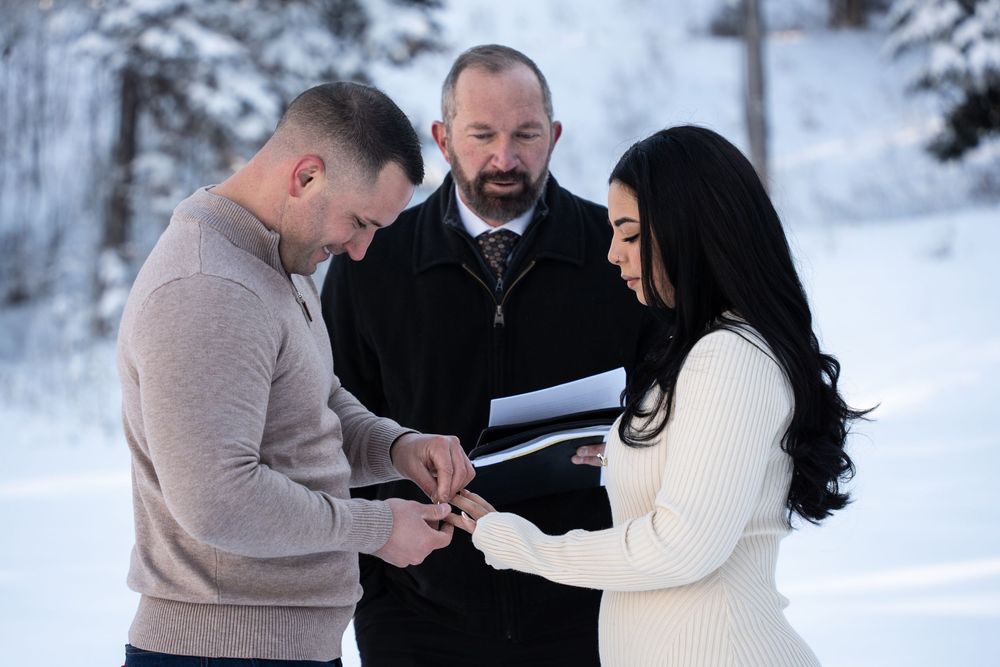
This is the part I document in full: vows, rings, the first kiss as a married couple, with the half-mile drop and the red-and-white spires as your backdrop. I keep the ceremony itself inside the permit's built-in time window, with buffer already planned, not something you need to watch the clock for.
AFTER
Portraits Before the Weather Turns
Afternoon storms can move in fast at this elevation, so we use whatever clear window we have right after the ceremony for portraits along the rim rather than saving them for later in the day. If bristlecone pines are part of your backdrop, this is when we make the most of them.
Getting to Cedar Breaks, Where to Stay, and What to Budget
Getting There
Cedar City Regional Airport (CDC) is the closest option, small, with limited Delta connections routed through Salt Lake City, worth checking directly since regional schedules shift. St. George Regional Airport sits roughly two hours south, often with more flight options for a similar drive time. Salt Lake City and Las Vegas are both roughly four hours away by car, workable if you're already planning a longer Utah road trip around your elopement.
Driving in from Salt Lake City, the route runs south on I-15 to Cedar City, then east on SR-14 or up through Highway 143 toward Brian Head and the monument entrance, a straightforward, well-marked drive the whole way. From Las Vegas, it's the same I-15 corridor headed north, similar total drive time. Either route puts you through Cedar City, which is worth treating as your last dependable stop for gas, groceries, or a coffee before the climb up in elevation.
However you arrive, build in extra buffer before your ceremony. Between the drive, the altitude adjustment, and needing to be rested for an early morning at 10,000 feet, plan at least one full night near the monument before your ceremony day, not a same-day arrival straight to your vows. Couples flying in from near sea level in particular benefit from that extra night, since altitude adjustment takes actual time, not just willpower.
Where to Stay
Brian Head, about 3 miles north of the monument, is the closest option with year-round lodging, restaurants, gas, and groceries, cutting your morning drive to the overlooks down to minutes rather than the better part of an hour. Cedar City, about 45 minutes away via SR-148, offers a wider range of lodging and dining if you'd rather stay in a larger town the night before. Duck Creek and Mount Carmel Junction are smaller nearby options worth a look if Brian Head is booked.
Where to Eat
Brian Head's restaurant options are limited but workable for a pre-ceremony dinner or a quick breakfast before an early start. Cedar City offers considerably more range for a celebration meal after your ceremony, worth the 45-minute drive back down if you want more choices than a small mountain town can offer. Book ahead if your date lands on a summer weekend, when Cedar City's dining scene fills up with visitors headed to or from several nearby parks, including Bryce Canyon and Zion.
Budget Considerations
Beyond the photography itself, plan for: the Special Use Permit application fee plus any hours or monitor time beyond the built-in 2-hour window; lodging in Brian Head or Cedar City, which swings by season and is generally more available than gateway towns next to a single, more famous national park; your marriage license fee through the Iron County Clerk; and a celebration meal afterward if that's part of your day. There's no separate park entrance fee for Cedar Breaks itself the way there is at Arches or Canyonlands, so your permit and your travel costs are the two main line items beyond the photography, and I can give you an exact number on the photography before you book anything.
Book Before the Road Closes for the Season
Cedar Breaks only works about half the year, and the exact closing date moves with the snowpack. Reach out as soon as you have a season in mind, not after the road's already shut.
Layers matter here more than at any other spot I shoot. Mornings run cold at 10,000 feet even in the middle of summer, so bring a jacket or wrap you can shed once the sun's fully up, not just a light cardigan.
Sturdy shoes beat heels at every one of the five overlooks. The terrain along the rim is uneven, and a block heel or flat sandal will get you through portraits without a twisted ankle, especially if your site is Spectra Point or Ramparts and involves an actual walk in.
Pack a rain layer too. Afternoon storms can move in fast at this elevation, so a light shell or umbrella tucked into your bag is worth the space even on a clear morning.
Sun protection is worth the extra thought as well. Thinner air at 10,000 feet means UV hits harder than it does back at sea level, even on a cool, overcast day.
Bring more water than you think you'll need. Altitude dehydrates you faster than you'll notice in the moment, and staying ahead of it matters more here than it does at any lower-elevation park on this site.
If anyone in your group is prone to altitude sensitivity, a simple over-the-counter remedy and a plan to arrive a day early rather than same-day is worth building into your packing list, not just your itinerary.
Which Cedar Breaks Overlook Fits You?
Five overlooks is a lot to compare from your couch. Here's the short version: match your priority in the left column to the site that delivers it.
If you want…
Best site
Guest cap
Chairs
The widest view, larger group, seated
North View or Point Supreme
Up to 30
Permitted
Minimal walking from parking
Point Supreme
Up to 30
Permitted
Small, intimate, still seated
Chessman Ridge
Up to 10
Permitted
Ancient bristlecone pines in the frame
Spectra Point
Up to 10
Not permitted
Maximum privacy, willing to walk further
Ramparts Overlook
Up to 10
Not permitted
Still not sure? A few patterns worth knowing: couples bringing parents or a small circle of guests default to North View or Point Supreme almost every time, mostly because the 30-person cap and permitted chairs remove the guesswork. Couples set on privacy above all else choose Ramparts, even knowing it means the longest walk and no seating. And more couples than you'd expect land on Spectra Point specifically for the bristlecone pines, a detail no other overlook on this list offers. If you're still torn between two, tell me both, and I'll walk you through the tradeoff in plain terms before you file anything.
Permits & Legal Requirements for a Cedar Breaks Elopement
Permit cost and timing: a Special Use Permit is required for any ceremony, though a proposal or portrait session without an officiant present doesn't need one. Apply at least 3 weeks before your date. The application fee covers the first 2 hours of the park's processing time; anything beyond that runs $50 per hour, and a monitor, often required for a wedding party, adds another $50 per hour including their travel time to and from the site.
Where you can hold your ceremony: five sites are approved, each with its own guest cap, and the group total across the whole event can't exceed 30 people: North View Overlook and Point Supreme Overlook each allow up to 30, Chessman Ridge Overlook up to 10, and Spectra Point and Ramparts Overlook up to 10 each. Chairs aren't permitted at Ramparts or Spectra Point specifically, so a seated ceremony needs one of the other three.
What's not allowed: no amplified sound or PA system, no confetti, rice, birdseed, or releasing birds or butterflies. Decorations need approval ahead of time and banners or signage aren't permitted at all. Live flowers are fine as long as they're free of seed pods. The park doesn't grant exclusive use of a site either, so passing hikers and visitors stay free to move through your ceremony space.
Access & etiquette: no generators or outside power, parking only in designated areas, and every bit of trash leaves with you. Standard drone restrictions apply here the same as at every other national park unit I photograph in. Wildlife needs its own space too: stay 150 feet from condors and 25 feet from other wildlife if you spot any along the rim.
Marriage license: the nearest option is the Iron County Clerk's office in Cedar City, which issues licenses same-day with no waiting period and no blood test, the same simplified process used statewide. See the full park-by-park breakdown on my Utah park elopement guide if you're still comparing locations.
Why Book Someone Who Already Knows Cedar Breaks
Permit language, translated. The Special Use Permit's hourly fee structure and 2-hour window trip up a lot of couples planning solo; I build extra buffer into your timeline so it never becomes a surprise cost.
The road status, tracked, not guessed. SR-148's opening and closing dates move with snowpack every year. I confirm the current status before your date is locked in, not after.
Altitude planned for, not ignored. A ceremony timed and positioned with 10,000 feet in mind, not treated like any other Utah park.
Five overlooks, one clear recommendation. I match your group size and chairs preference to the right site before you ever file a permit application.
One quote, no surprises. Permit fees, monitor costs if required, and travel are worked out on a planning call before you book anything, not added afterward.
A weather backup built in from the start. Afternoon storms move in fast at this elevation. Your ceremony timeline is planned around morning light and an actual contingency, not hope that the forecast holds.
Cedar Breaks Elopement Photos
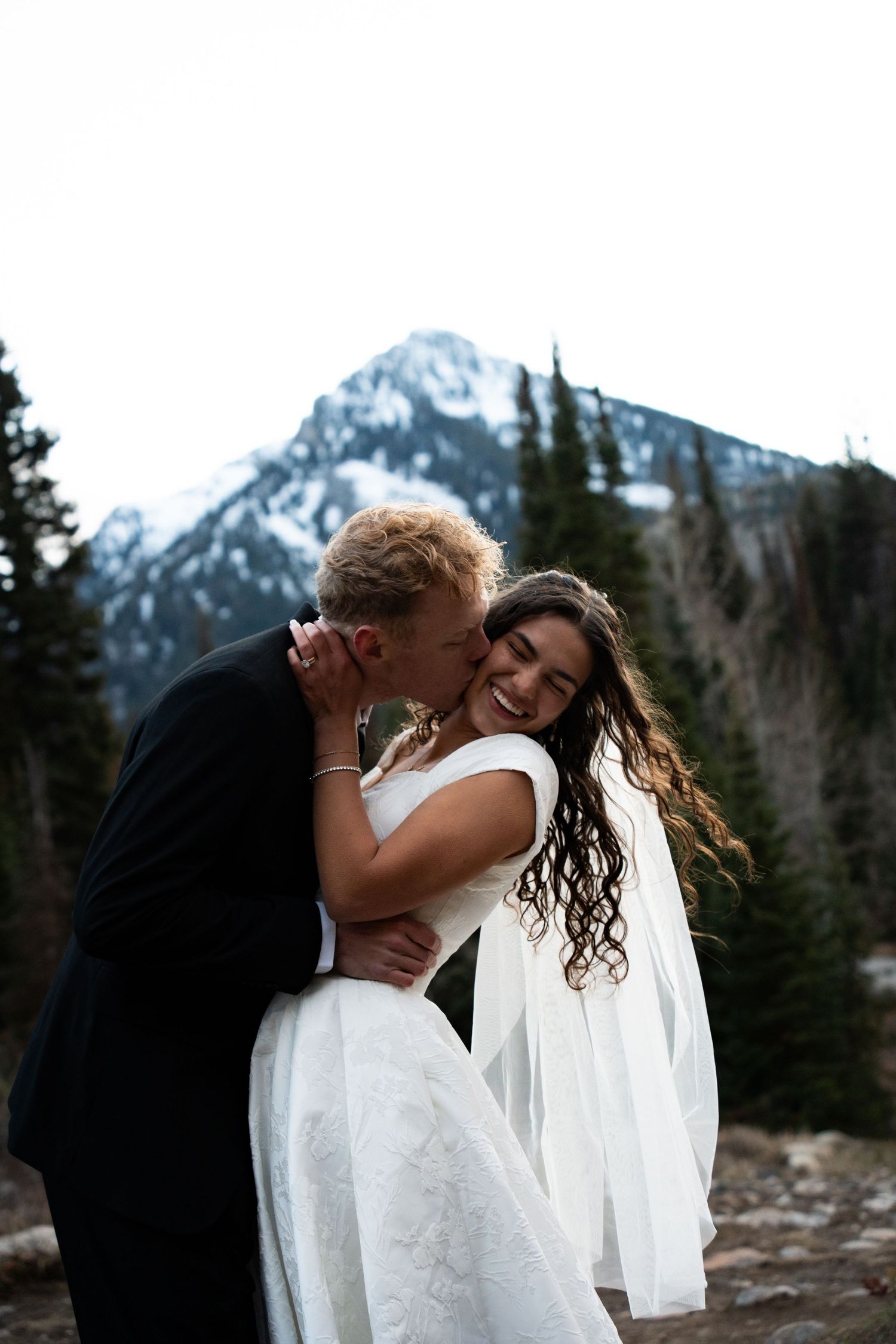
No Cedar Breaks elopement gallery exists here yet, so the photo above is the same Coral Pink Sand Dunes image from earlier on this page, clearly labeled rather than passed off as Cedar Breaks. I'll swap this section out for a Cedar Breaks gallery the first time I shoot a session up there. If that first session is yours, tell me, and I'll make sure you know it going in.
Ready to Plan Your Cedar Breaks Elopement?
Tell me your dates and I'll confirm the road's open, match you to an overlook, and get your permit filed.
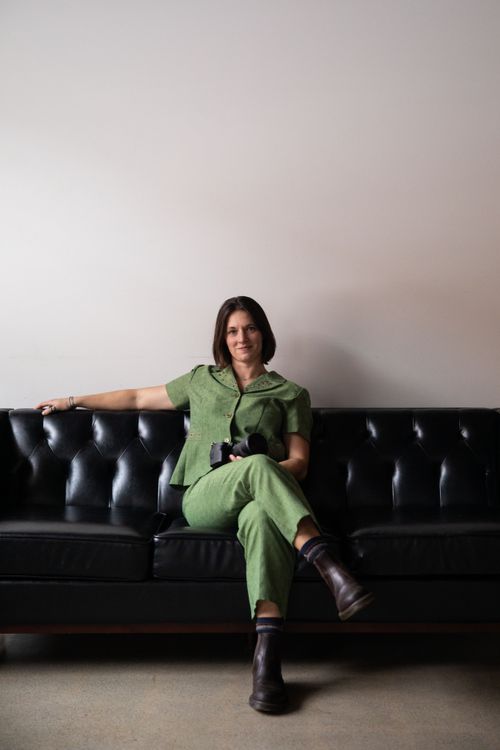
I'm Jade, a Utah-based elopement photographer, and I specialize in adventure elopements across the state's national parks and canyon country. I don't have a Cedar Breaks gallery to show you yet, and I'd rather say so plainly than pretend otherwise. Cedar Breaks only works about half the year, which is the detail that trips up more couples than the permit itself, and the 10,000-foot elevation is a planning factor I build into every timeline, not an afterthought.
I track the seasonal road closure so your date is realistic in the first place, file the three-week application, and already know which overlooks won't let you bring chairs, so your site choice doesn't come with a surprise. If you book your Cedar Breaks elopement with me, you'll be helping build that gallery, and you'll get the same permitting help, planning support, and candid style I use everywhere else in Utah.
Cedar Breaks pairs naturally with a Bryce Canyon elopement too, since the two overlooks sit less than an hour apart on Highway 143, and plenty of couples split a long weekend between both. If you're still weighing a smaller, quieter overlook against every other option, my Utah park elopement guide compares permit costs, group caps, and lead times across every park, monument, and state park I work in.
Elopement photography starts at $3,100 for the Half Day package. Cedar Breaks sits outside the standard Wasatch Front radius, so travel gets factored into your quote (confirm current tiers and what's included against the full elopement packages page before booking).
Frequently Asked Questions About Cedar Breaks Elopements
Can we have chairs or seating at our Cedar Breaks ceremony site?
Chairs aren't permitted at Ramparts Overlook or Spectra Point, the two smallest 10-person sites, so a seated ceremony needs North View, Point Supreme, or Chessman Ridge instead. If your group is closer to 30 than 10, that narrows it further: North View and Point Supreme are your only two options either way, seated or not, since Chessman Ridge caps out at 10 regardless of chairs.
Do we need a Special Use Permit if we're not holding a ceremony?
No. The permit only applies to a wedding or vow ceremony. Standard photography, including engagement or elopement-style portraits without an officiant present, doesn't need one in the monument's public areas. That's the same rule I work under at every other Utah park and monument, and it's why a proposal shoot and a documented ceremony get treated so differently on paper even when the location is identical.
What's the best time of year to plan a Cedar Breaks elopement?
Highway 143, the north and east approach into the area, stays plowed through winter, but that's misleading: the monument itself switches to snowshoe, ski, and snowmobile access only once SR-148 closes, with no wedding access at all. Don't count on a winter date just because the roads nearby look clear. Plan around the late-May-through-mid-November window instead, with late September standing out for fall color, and confirm the current season's exact opening and closing dates on the park's website before booking non-refundable travel, since snowpack shifts the calendar every year.
How do we get a marriage license for a Cedar Breaks elopement?
The nearest option is the Iron County Clerk's office in Cedar City, which issues licenses same-day with no waiting period and no blood test. Both of you need to show up together with valid government-issued photo ID, and Utah requires an officiant plus at least two witnesses over 18 physically present at the ceremony itself, so plan your headcount around that even for a small elopement.
Where's a good home base for a Cedar Breaks elopement?
Cedar City and Brian Head both sit close to the monument entrance and make an easy home base, with Brian Head cutting your drive to the overlooks down to minutes rather than the better part of an hour.
What if we go over the permit's 2-hour processing window on ceremony day?
There's no expedited option here, the permit's first 2 hours of processing time are built into the application fee, and anything beyond that runs $50 an hour, same rate for a monitor if the park assigns one to your group. I plan your ceremony timeline with extra buffer against that 2-hour mark rather than schedule it down to the minute, since a slow group photo or a late guest is a lot cheaper to absorb with 20 minutes of slack than to pay for by the hour.
Should we worry about altitude at a 10,000-foot ceremony?
It's worth taking seriously if you're arriving from near sea level. Cedar Breaks sits higher than any other location I shoot in Utah, and altitude can bring on headaches, shortness of breath, or lightheadedness even during a short, low-effort visit. Arrive the day before if you can, drink more water than usual, and keep the ceremony itself brief and close to the parking area rather than building in a long approach hike right before you say your vows.
Can we combine a Cedar Breaks elopement with a Bryce Canyon elopement in the same trip?
Yes, and it's a natural pairing. The two sit less than an hour apart via Highway 143, close enough to shoot a sunrise ceremony at one and still have most of the day free at the other. If Bryce Canyon's hoodoos are also on your list, see my Bryce Canyon elopement guide for its own permit process and overlooks, since Bryce runs on a separate application from Cedar Breaks even though the parks sit so close together.
What happens if SR-148 closes early because of an unexpected snowstorm?
It's a serious risk on either end of the season, since the late-May opening and mid-November closing both move with actual snowpack, not a fixed date on a calendar. If you're booking a shoulder-season date, June or late October especially, I check the park's current road-status page in the days before your ceremony and keep a same-day backup in mind. If the road does close on short notice, rescheduling is usually more realistic than trying to force the original date.
Written by
Jade Jarvis
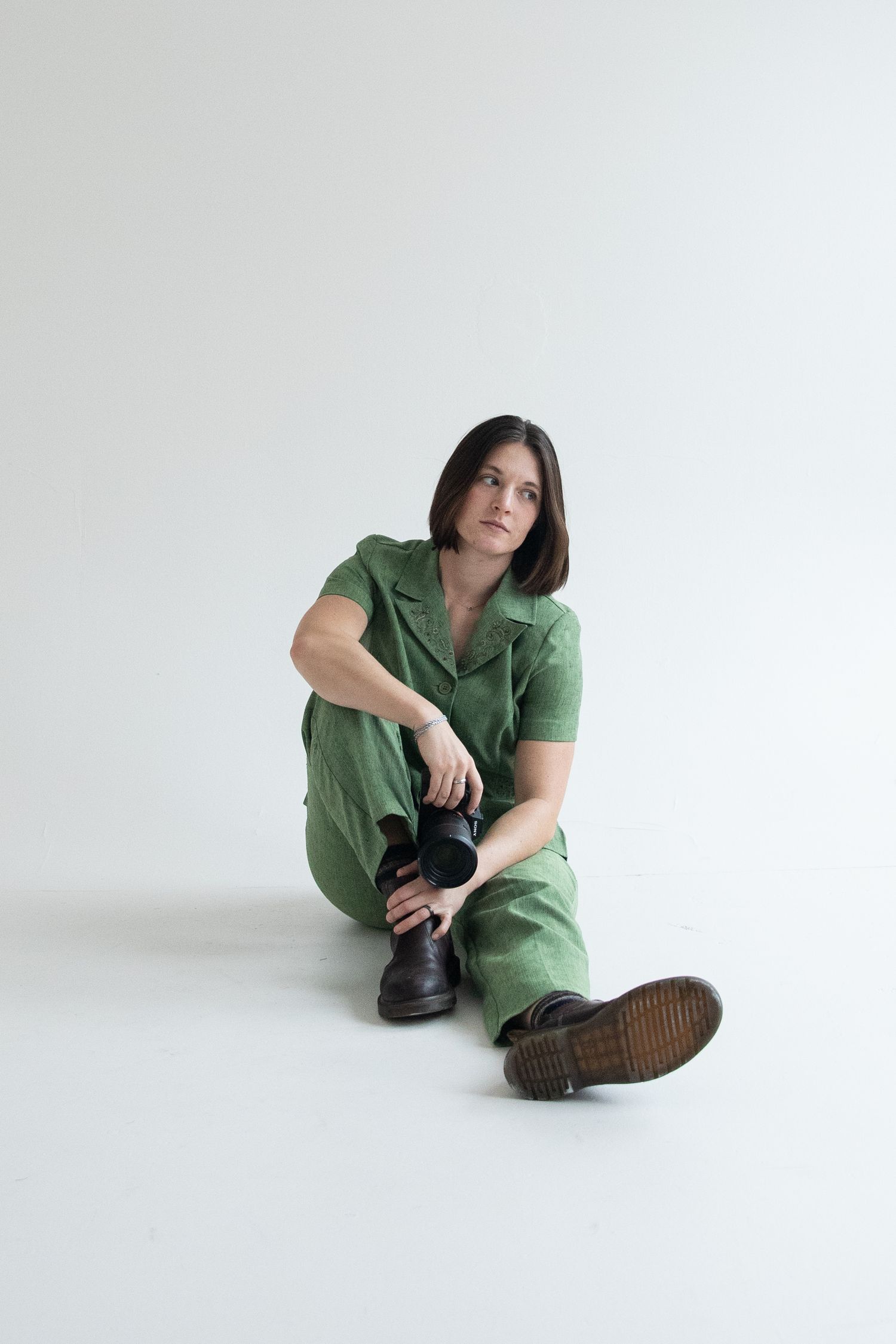
Utah-based wedding, elopement, and proposal photographer since 2025. I track each park's permit rules and season windows myself before I ever build an itinerary around one.